
Preserve Tsimanampetsotsa’s Biodiversity For Future Generations
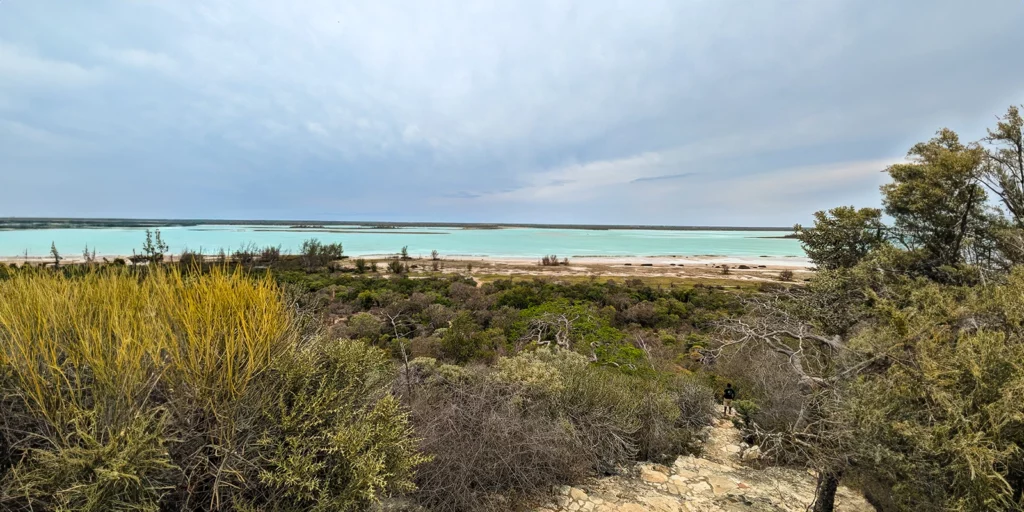
Preserve Tsimanampetsotsa’s Biodiversity For Future Generations In the Tsimanampesotse National Park, the dry, spiny forests are home to countless endemic species. However, these forests are uniquely positioned where people rely heavily on nature for their livelihoods, leading to the overexploitation of natural resources. With your help, Association Analosoa can fund strong monitoring systems that prevent degradation. Raised so far $0 Goal $10K 0% funded APPEAL Snapshot Partner Association Analasoa Location Tsimanampesotse National Park, Southwestern Madagascar Appeal Category Capacity Building and Training Endangered Species Wildlife Conservation Key Species Radiated tortoise Grandidier’s mongoose Ring-tailed lemur Partner Qualifications Verified Partner Legally Constituted Top Accountability Effective Impact Conservation Action Heroes The Challenges The Tsimanampesotse National Park represents the dry spiny forests of Madagascar, a unique and highly diverse ecosystem with an exceptionally high number of endemic species. These forests are situated in economically and climatically disadvantaged Southwest Madagascar, where local communities heavily rely on nature for their well-being. The lack of awareness among local populations regarding the importance of conserving resources for the benefit of future generations has led the local communities to the overexploitation of vital natural resources, especially during crises, threatening the rich plant and animal diversity. As a UNESCO World Heritage site, the Madagascar southwestern biodiversity protection is paramount. To protect these natural resources and support local livelihoods, Association Analasoa is challenged to implement innovative biodiversity conservation strategies with increased collaboration and community involvement. Urgent Solutions Association Analasoa’s conservation efforts prioritize mitigating the impact of human activity on biodiversity, a critical component of their mission. Covering 202,525 hectares, Tsimanampesotse National Park requires a strong protection and monitoring system, as well as community education and mobilization to reduce pressures. This initiative demands proactive engagement, steadfast commitment, dynamism, and strategic efficiency in addressing emerging challenges. To succeed, optimizing human and financial resources for nature conservation is essential for tackling the complex tasks involved in preserving the park. Why Your Donation Matters Association Analasoa’s participatory conservation initiatives in the Tsimanampesotse region have helped to improve the low involvement of local communities and increase their awareness of the importance of preserving natural resources. Over the past few years, the Analasoa concept and program, initially localized, have expanded to other areas of Tsimanampesotse National Park. The organization firmly believes that an effective participatory conservation program, combined with capacity building at the local level, forms the foundation of successful conservation initiatives, thus ensuring the future of generations to come.
Save Panama’s Remaining Rainforests
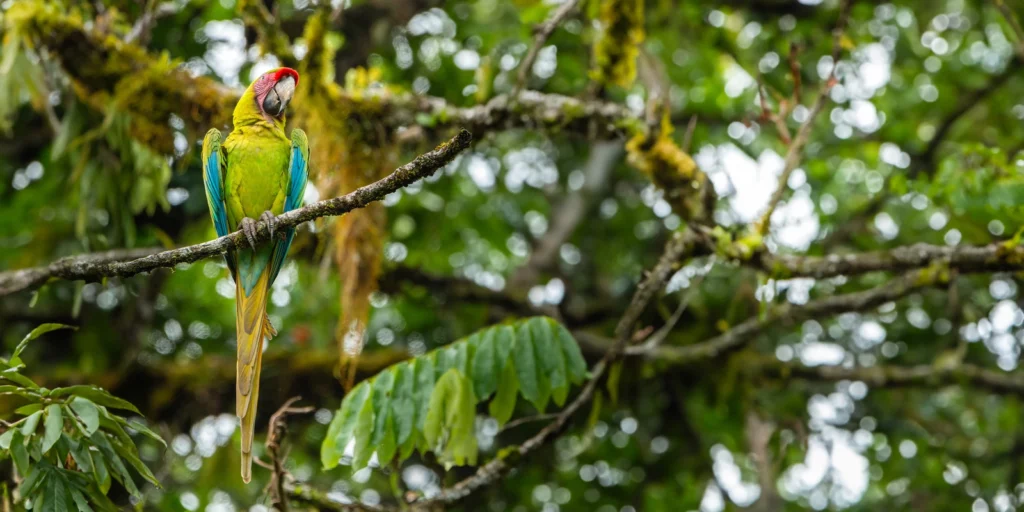
Save Panama’s Remaining Rainforests The geographic isolation of the Cerro Chucantí reserve has allowed its flora and fauna to diversify considerably, containing endemic species found nowhere else on Earth. The habitat of those species is now at risk due to slash and burn activities, logging, and cattle ranching that can only be stopped through your investment in ADOPTA’s conservation work. Raised so far $0 Goal $10K 0% funded APPEAL Snapshot Partner Adopt a Panama Rainforest Association (ADOPTA) Location Cerro Chucantí, Panama Appeal Category Community Support and Development Ecotourism Ecosystem Restoration Endangered Species Government Policy Protected Area Management Wildlife Conservation Key Species Colombian spider monkey Chucantí centipede snake Chucantí salamander Partner Qualifications IUCN Member Verified Partner Legally Constituted Top Accountability Effective Impact Conservation Action Heroes The Challenges The cloud forests of Cerro Chucantí Reserve in eastern Panama rise to 4,700 feet in elevation and sustain a diverse tropical forest ecosystem. The geographic isolation of the Cerro Chucantí mountaintop reserve has allowed its flora and fauna to diversify considerably, such that it contains a number of locally endemic species found nowhere else on Earth. There have been many discoveries of species new to science at this unique site, including salamanders, frogs and snakes. Unfortunately, the rainforests in Cerro Chucantí are under significant threat from slash and burn activities, logging and cattle ranching. Urgent Solutions ADOPTA will work to strengthen the protection of the reserve through hiring forest guards and working in conjunction with the local government. Patrols will ensure the forest remains intact and poaching is stopped. An important part of the long-term strategy is ensuring local community support, and ADOPTA’s mission includes educating, training and engaging the community in conservation activities. Why Your Donation Matters With support from donors, ADOPTA can ensure the Cerro Chucantí Private Nature Reserve is safeguarded for all wildlife. Furthermore, the recently acquired San Bartolo Private Nature Reserve preserves the last remnants of lowland Pacific rainforest and fosters biodiversity akin to the biodiverse Osa Peninsula. By donating, supporters play a vital role in preserving these unique ecosystems and the remarkable species that inhabit them.
Urgent Protection Needed In Sierra Nevada De Santa Marta
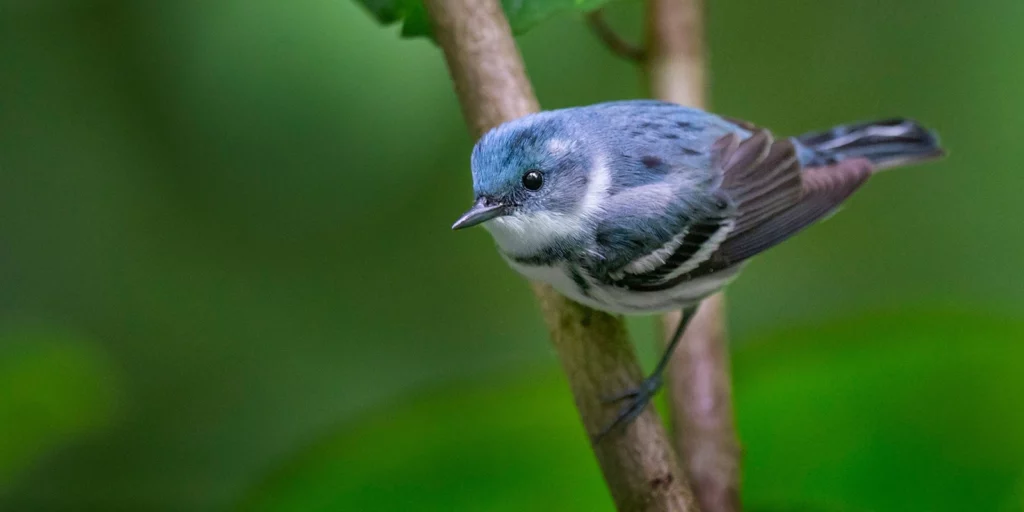
FUNDING GOAL $12,175 DONATE TO PROAVES Verified for authenticity Learn More IMPACT PROMISE Our Partners are carefully selected due to their high conservation impact Partner Snapshot Partner Name Fundación ProAves Location: El Dorado Nature Reserve, Sierra Nevada de Santa Marta, Colombia Appeal Category: Ecosystem Restoration Endangered Species Protected Area Management Reforestation Wildlife Conservation Key Species: Santa Marta Parakeet Santa Marta Toro San Lorenzo Harlequin Frog Challenges And Threats: Illegal Invasions to claim and clear forest Vacation home developments Cattle pasture lands Actions: Reserve rangers Improve Protection Forest restoration The Challenge On Colombia’s Caribbean shores stands the highest coastal mountain on earth. The Sierra Nevada de Santa Marta is a corrugated pyramid of rock that rises almost four miles high. This ancient massif that dates back to the Jurassic period contains a microcosm of the entire planet from deserts to rainforest to glaciers with an extraordinary diversity of plants and animals found nowhere else. It is regarded as the planet’s single most important site for threatened and endemic biodiversity, as it boasts the highest concentration of endemic bird species in the world. As a result, the prestigious journal Science dubbed the area the “Most Irreplaceable Site on Earth” and a major priority for biodiversity conservation. Located on the Sierra Nevada’s most vulnerable northwestern flank—less than ten miles from the city of Santa Marta—is perhaps the world’s most important nature reserve: El Dorado. Established in 2005 by our Colombian partner Fundación ProAves, the reserve protects over 3,200 acres, safeguarding habitat for threatened species such as the Critically Endangered Santa Marta Toro and the Santa Marta Harlequin Frog. However, in recent years land speculation around the reserve has spiraled out of control as the reserves offers surrounding areas with exceptional natural resources such as clean water, cooler climes and spectacular views. Unfortunately this speculation has spurred some unscrupulous individuals to try and illegal invade some parts of the reserve to claim land and then sell it. ProAves is desperate to increase protective measures at this Reserve. Urgent Solutions Following decades of uncontrolled colonization and agricultural expansion, less than 15 percent of the Sierra Nevada de Santa Marta’s original highland forest remains intact. All the more important that the El Dorado Nature Reserve represents one of the last refuges of strict protection for this mecca of endemic biodiversity. Principle threats include illegal invasions of the reserve to claim and clear forest then sell it for vacation home developments. The construction of vacation homes in the cooler climes of the mountain poses a growing danger to the forests and with land prices quadrupling each year, the demand for land is putting immense pressure on the reserve boundaries and what little forest survives outside the reserve. Unfortunately, the area’s many endangered and endemic species are concentrated in these cooler montane forests where threats are greatest. Almost every endemic species in the massif is struggling to survive amidst the continued destruction of their habitat. This appeal will provide critical resources to fund and equip three new Reserve Rangers, establish a new Ranger Station where threats are greatest and establish a communication network for alerts across the reserve to rapidly respond to threats. Why Your Donation Matters With invasions and deforestation placing this biodiversity jewel at tremendous risk, our partner urgently seeks support increase protective measures with additional reserve Rangers, new ranger stations and a communications system for alerts across the reserve. Your help will ensure the reserve continues to be a safe haven for the planet’s most important biodiversity hotspot. Partner Qualifications IUCN Member Verified Partner Legally Constituted Top Accountability Effective Impact Conservation Action Heroes
Fosa Association
Fosa Association Partner Snapshot Partner Fosa Association Location Madagascar, Africa Category Community Support and Development Protected Area Management Wildlife Conservation Urgent Appeals None currently Date Founded 2023 Website www.fosa.mg Partner Qualifications Verified Partner Legally Constituted Top Accountability Conservation Action Heroes About The Fosa Association The Fosa Association (Fikambanana Fosa Andranofasika), created by Dr. Luke Dollar and Conservation Allies, is a young organization mainly run by local residents within Ankarafantsika National Park. It started with Fossa monitoring and evolved through partnerships with student researchers to incorporate research, education, and patrols into its practices. They have also created women’s associations, which is unique, as women are oftentimes not included in conservation initiatives in Madagascar. With a main focus on wildlife conservation, they collaborate with the park manager (MNP) to increase their impact. Their Challenges Ankarafatsika National Park is facing strong pressures linked to forest and bushfires, charcoal mining, illegal logging, raffia exploitation, and human migration in search of arable land. These pressures destroy a large area of vegetation and thus cause the disappearance of a great deal of plant and animal biodiversity. The action of MNP alone is not currently sufficient to reduce and eradicate this scourge. Thus, Association Fikambanana Fosa Andranofasika decided to take action and collaborate with MNP to carry out effective patrols, leading to reduced wildfires and increased awareness. Their Approach Association Fikambanana Fosa Andranofasika was formed and is run mainly by local people who have an intimate knowledge of the land and the threats it faces. Some of their specific conservation actions include: Patrolling the buffer zones as well as the core of Ankarafantsika National Park and responding to threats, such as fires or illegal activities Recruiting young people in the region to join the cause, leading to the preservation of nature for future generations Holding awareness sessions in the villages surrounding the park to increase local engagement Why They Need Your Help Association Fikambanana Fosa Andranofasika is completely reliant upon donations to continue their operations. Donations support their daily conservation operations, improve patrolling techniques, and invest in better equipment for their rangers.
IMPACT Madagascar
IMPACT Madagascar Partner Snapshot Partner IMPACT Madagascar Location Madagascar, Africa Category Community Support and Development Protected Area Management Wildlife Conservation Urgent Appeals Protecting Madagascar Remaining Dry Forests: Save Kasijy Special Reserve! Date Founded 2014 Website impactmadagascar.org Partner Qualifications Verified Partner Legally Constituted Effective Impact Conservation Action Heroes About IMPACT Madagascar IMPACT Madagascar is a Malagasy NGO who understands that you can’t protect endemic wildlife and endangered forests without taking into consideration the needs of the people living there. They take steps to preserve habitats and species while taking actions to benefit and empower local communities. Over the last decade, they have accomplished quantifiable and sustainable long-term solutions to the problems of biodiversity loss, deforestation and poverty. From tree nurseries and biodiversity conservation to improved farming techniques and income generation, they sponsor a variety of projects which build a bright and sustainable future for the people and wildlife of Madagascar. Their Challenges According to Global Forest Watch, Madagascar had 15.6 Mha of natural forest in 2020, extending over 26% of its land area. As of last year (2024) it has lost 226 kha of natural forest, equivalent to 115 Mt of CO₂ emissions. This is their primary challenge: the alarming rate of continual deforestation throughout Madagascar. Most of Madagascar’s tropical forests have been transformed into fragmented landscapes, leaving behind disconnected and degraded forest patches. This fragmentation creates barriers for wildlife and reduces available forest resources for all who rely on them. The reliance of local people on these incredibly limited forest resources is an additional challenge, and includes the issues of illegal logging, timber exploitation, charcoal production, wildlife poaching, overfishing with illegal traps and nets, land-clearing bushfires (often for agriculture), and general overuse of forest and aquatic resources. Notably, bushfires are a major concern in dry habitats, primarily occurring at the end of the dry season for agricultural preparation. Habitat threats are more prevalent when rangers are absent, particularly on weekends. Their Approach IMPACT Madagascar works alongside local people in order to empower communities, running community-led programs and coaching practical conservation skills that are sustainable for both people and the environment. They support IMPACT Madagascar’s communities through a holistic approach including: 1. Community Development and Community Conservation2. Environmental Outreach and Practical Environmental Education3. Forest and Wetlands Biodiversity and Habitat Monitoring4. Reforestation and Ecological Restoration They believe that successful conservation solutions must be implemented with community development at their core. Therefore, local people are involved in all stages of our conservation programs. We have established reforestation programs, where villages are actively restoring forest habitats via an annual tree planting program. Nursery species are also fast-growing to provide the communities with firewood, thereby conserving the protected forests. Local people are trained and then paid to monitor these programs as forest guards alongside the IMPACT team. Why They Need Your Help Madagascar is at serious risk of losing its remaining dry and gallery forest, along with the critically endangered species which live there. Increasing patrol capacity is vital to protecting these ecosystems, as threats occur mainly when rangers are absent, particularly over the weekends. Increasing crop yields and developing secondary income streams are vital for the long-term success of rural villages, reducing their dependence on harmful activities such as poaching or slash and burn agriculture. And environmental education provides the next generation with vital knowledge to continue this legacy of biodiversity protection. All of these initiatives are made possible by donations, and they are forever grateful for your generosity and support. Change cannot happen without your help, and they hope you will join them.
Corporación SalvaMontes
Corporación SalvaMontes Partner Snapshot Partner Corporación SalvaMontes Location Colombia, Latin America Category Endangered Species Protected Area Management Wildlife Conservation Urgent Appeals None currently Date Founded 2016 Website salvamontes.org Partner Qualifications Legally Constituted About Corporación SalvaMontes Corporación SalvaMontes is a non-profit organization in Colombia that focuses primarily on the biodiverse extreme north of the Tropical Andes hotspot. Managing 2,900 acres of natural reserves of cloud forests, they safeguard over 16 Threatened species. Their efforts center on the Alto de Ventanas, a significant biologically rich area at Colombia’s northern central Andes. This region holds prominence in Colombia’s updated National Strategy for Plant Conservation. Furthermore, it’s a proposed Key Biodiversity Area as per IUCN criteria. In the Alto de Centanas, Salva Montes manages three reserves spanning 1,900 acres, strategically placed to protect the magnolia trees, Handley’s slender opossums, and their habitat remnants. They also manage 123 acres of nature reserve in the Darién Gap of Chocó, protecting the unique and endangered Magnificent butterfly palm. Finally, SalvaMontes also co-manages 880 acres of forest in the highlands of northern-central Antioquia, where they are working to conserve the Critically Endangered Antioquia brushfinch. Their Challenges Forests in the Antioquia and Chocó departments of Colombia are in danger of being logged due to the opening of pastures for cattle and illegal wood production. Although these forests are home to a great abundance of biodiversity and several endemic, threatened species, the threat of deforestation continues on. Their primary challenge in guaranteeing the conservation of Colombia’s wildlife is in protecting the most well-preserved fragments of habitat that still remain. THey are also focused on restoring and rewilding the degraded areas of forest in order to reconnect fragments by mending the biological corridors. While restoring forests is very difficult given the region’s deforestation trend, it is a highly effective, essential step in fighting the climate and biodiversity crises of today. Their Approach SalvaMontes implements its conservation projects in the following ways: Creation and management of natural reserves in areas that hold the best remaining habitat fragments Restoration of habitat in degraded areas, allowing for the reconnection of habitat fragments and recreation of biological corridors Propagation and planting of threatened tree species Developing conservation plans for Critically Endangered species like the Antioquia brushfinch, Handley’s slender opossum, Ghost monkey orchid (also known as the Lemurella’s orchid), Magnificent butterfly palm, and Ventanas magnolia tree. Working with local people and landowners, SalvaMontes provides environmental education, raises awareness on environmental issues amongst communities, and works alongside locals in conservation action and sustainable development. Why They Need Your Help Currently, SalvaMontes is executing a conservation project to support the restoration of the natural populations of Magnolia trees. Activities include the monitoring of trees, the collection and germination of seeds in a tree propagation nursery, and the planting of produced trees in their natural habitat. This project will also help the expansion of Los Magnolios Natural Reserve through the purchase of a neighboring land parcel that has a large area of primary forests (608 acres), which will secure habitat for the species that inhabit this protected area. SalvaMontes depends on generous donations to continue their essential conservation work in Colombia. Your donation is used to support actions that produce a direct, positive impact in the conservation of threatened species and their habitats in Colombia.
Ny Tanintsika
Ny Tanintsika Partner Snapshot Partner Ny Tanintsika Location Madagascar, Africa Category Community Support and Development Capacity Building and Training Wildlife Conservation Urgent Appeals Listen to the Cries of Nature Date Founded 2002 Website nytanintsika.org Partner Qualifications Verified Partner Legally Constituted Effective Impact Conservation Action Heroes About Ny Tanintsika Ny Tanintsika, meaning “Our Land” in Malagasy, is a non-profit created with support from the Scottish charity ‘Feedback Madagascar’ with the aim of Developing a sustainable local model for good governance, accountability and efficiency Bridging the gap of misunderstanding often found between local beneficiaries and foreign NGOs, and Sustainably developing Malagasy civil society Ny Tanintsika’s mission is to contribute to poverty reduction and sustainable natural resource management. Their vision is “Healthy people who take charge of their own development, living in harmony with a flourishing natural world in a fair society.” Their slogan is “Against Poverty, for Nature”. Ny Tanintsika’s priority geographical areas are those around the COFAV Protected Area (rainforest corridor) as well as the tapia forest of Amoron’i Mania region. They work with communities around these biodiversity hotspots through an integrated approach, working to improve food security, livelihoods, education, health, and forest management. Promotion of good governance and human rights are essential elements of their work. Their Challenges Madagascar’s wildlife faces enormous pressures, including deforestation, increasing droughts, and illegal poaching. Due to a lack of resources, the national forestry administration is unable to adequately arrest offenders of the forests and wildlife. In response, Ny Tanintsika has stepped in and formed management communities. They reserve resources to be able to urgently mobilize the forest administration team in order to enforce conservation practices and protect the forests. Their Approach Ny Tanintsika has a multi-pronged approach to their mission. Their activities include community patrol initiatives involving youth, women (who were traditionally excluded from conservation actions), and innovative technology. They also work to fight wildfires, raise awareness of forestry legislation and provide support for income-generating activities for patrollers. Why They Need Your Help Ny Tanintsika needs your support to increase patrols and invest in technological equipment to improve data collection and reporting. They are reliant upon generouns donations to continue their essential work of empowering communities and conserving wildlife.
Neotropical Primate Conservation
Neotropical Primate Conservation Partner Snapshot Partner Neotropical Primate Conservation Location Peru, Latin America Category Community Support and Development Protected Area Management Wildlife Conservation Urgent Appeals Helping Communities Preserve Primates Date Founded 2007 Website www.neoprimate.org Partner Qualifications IUCN Member Verified Partner Legally Constituted Top Accountability Effective Impact Conservation Action Heroes About Neotropical Primate Conservation Neotropical Primate Conservation (NPC) is a non-profit organization that use primates as flagship species to spearhead conservation efforts, but their work doesn’t only benefit primates. In order for primates to survive in the wild, they need a thriving ecosystem, which means NPC’s efforts also go towards protecting all the other species that live alongside primates and call the rainforest their home. NPC works with local communities as they believe conservation starts with people. Their projects ensure sustainable access to natural resources for local communities. NPC was founded by a group of friends who shared the same passion for conservation, beginning as a non-profit organization in the UK. Since then, NPC has expanded and now has branches in Peru, Colombia, and Argentina. Monkeys are crucial to ecosystem health and also play a significant role in traditions of many local peoples. Their Challenges Many of the primates that NPC helps to protect are among the least known and most threatened species in the world. This means that they face a very real danger of extinction in the near future. The main threats to primates are the loss of habitat through deforestation as well as hunting for the illegal wildlife trade and bushmeat. These threats are caused by unsustainable practices both locally and globally and will only worsen without action to safeguard their future. Their Approach NPC was set up in order to promote the conservation of forest habitats and wildlife through land protection, research, improvement of degraded habitat for wildlife, creation of public awareness programs, and sustainable development. They work to create private and community-run reserves to ensure long term habitat protection for wildlife. Through this work, they help local communities strengthen their stewardship of nature as well as protect their traditional and cultural identities, benefiting both humans and the environment. NPC runs many successful, low-cost projects, and they use their experiences to promote efficient conservation globally. NPC’s community-based conservation approach means that the reserves are protected by those who actually live in and around the forest, leading to real, on-the-ground protection by those with the most to gain from continued access to a healthy environment. This also leads to wider, ecosystem level conservation in areas between the reserves. At their main project site, the elimination of hunting of the Yellow-tailed woolly monkey led to a documented ~20% increase in the population since 2007, and local level bans on clear-cutting of forests led to deforestation rates dropping below those of surrounding areas. Their research into the Peruvian night monkey provided proof that the species is much more at-risk than previously thought, resulting in the IUCN raising its category from Vulnerable to Endangered, and so focusing more attention on its protection. In Colombia, Neotropical Primate Conservation is leading the National Conservation Plan for the Critically Endangered Colombian spider monkey, a species that only survives in some of the most troubled parts of the country. The action plan has become a legal document that guides government policy at the national and regional levels. Why They Need Your Help Neotropical Primate Conservation is reliant upon generous donations to continue their highly effective work in primate conservation and sustainable community development throughout Latin America.
Madagascar Biodiversity Partnership
Madagascar Biodiversity Partnership Partner Snapshot Partner Madagascar Biodiversity Partnership Location Madagascar, Africa Category Community Support and Development Protected Area Management Scientific Research Urgent Appeals None currently Date Founded 2010 Website www.madagascarpartnership.org Partner Qualifications Verified Partner Legally Constituted Top Accountability Effective Impact Conservation Action Heroes About Madagascar Biodiversity Partnership The Madagascar Biodiversity Partnership works with local communities to balance the needs of people while protecting endangered wildlife and wild places. With four field stations located across the island from the northern tip of the country to the south, the Madagascar Biodiversity Partnership adapts every activity to the local culture and habitat. Their Challenges The Madagascar Biodiversity Partnership’s northernmost field site is near a tropical deciduous forest that is home to the global population of the Northern Sportive Lemur. This species is on the brink of extinction with estimates of 100 individuals or less remaining. Unfortunately, illegal harvesting of trees for charcoal production and timber is rapidly fragmenting the forest. Though a protected area, enforcement is difficult due to the site’s convenient proximity to a burgeoning city. Deforestation is also the primary threat to wildlife around the two of Madagascar Biodiversity Partnership’s field stations in humid, evergreen forests, but is driven here by the agricultural needs of the community. As a result of the removal of large fruit-bearing trees in the forest, the Critically Endangered Black-and-white Ruffed Lemurs experience a decline in population, as these trees are their main source of food. Although the Critically Endangered Greater Bamboo Lemurs can adjust their natural diet when disrupted by deforestation, they often turn to agricultural crops which can lead to human-wildlife conflicts. In the dry, spiny forest around the southernmost field station of the Madagascar Biodiversity Partnership, agriculture, and charcoal production are the main stressors on wildlife populations. While the area is home to one of the last strongholds of the Critically Endangered Radiated Tortoise, this species must still contend with the above threats in addition to poaching pressures. Their Approach Habitat loss is a shared consequence of human activity around every Madagascar Biodiversity Partnership field station. Community-supported reforestation programs that include native species as well as tree species that are useful to people are being implemented at each site. Though the benefits take years to reap, the action engages more than a thousand people every year. This community-driven proactive behavior has planted more than 6 million trees since 2012. As this is a long-term commitment, a generation of children is growing up with this as part of their ethos. Depending on the drivers of habitat loss, interventions can include workshops to make improved cook stoves to reduce the amount of fuel required to prepare a meal, forest patrols with volunteer rangers and local authorities, experimentation with alternative agriculture strategies, introduction of agroforestry crops, and composting workshops. Meanwhile, lemur monitoring is an ongoing activity providing a ‘live stream’ of data on wildlife populations that will aid in their conservation. Why They Need Your Help In 2022 and 2023, four cyclones impacted the communities and forests where the Madagascar Biodiversity Partnership works. Damage ranged from minor flooding and the toppling of trees to complete destruction of homes, schools, and other critical infrastructure. Where there have not been cyclones, a multi-year drought is pushing people and wildlife to their limits. In Madagascar, people have centuries of knowledge and experience that allow them to thrive under familiar conditions, but shifting weather patterns and growing human populations require exploring new ways of meeting household needs. Support from you will help the Madagascar Biodiversity Partnership maintain its programs including the long-running wildlife monitoring programs that document the response of lemurs, tortoises, and the forest to cyclones, habitat conversion, and more. Healthy lemur populations are also a boon to communities as people from around the world travel to Madagascar to see them. The Madagascar Biodiversity Partnership’s lemur monitoring teams bring visitors to the forest where ecotourists can see the animals in the wild. The proceeds provide livelihoods and are distributed among local organizations, like the mayor’s office which used the funds for community improvement projects like replacing school roofs. Your support will also help the Madagascar Biodiversity Partnership expand its ecotourism activities.
Lemur Conservation Foundation
Lemur Conservation Foundation Partner Snapshot Partner Lemur Conservation Foundation Location Madagascar, Africa Category Endangered Species Protected Area Management Wildlife Conservation Urgent Appeals Silky Sifakas Need Your Help Date Founded 1996 Website www.lemurreserve.org Partner Qualifications IUCN Member Verified Partner Legally Constituted Top Accountability Effective Impact Conservation Action Heroes About Lemur Conservation Foundation The Lemur Conservation Foundation is a non-profit organization dedicated to the preservation and conservation of the primates of Madagascar through managed breeding, scientific research, education, and art. Their home base is the AZA-accredited Myakka City Lemur Reserve in southwest Florida, where about 50 lemurs live in natural forests and connected enclosures. Species include Mongoose lemurs, Red-ruffed lemurs, Ring-tailed lemurs, Common brown lemurs, and Collared brown lemurs. LCF has the largest population of Critically Endangered Mongoose lemurs outside of Madagascar and one of the largest populations of Critically Endangered Red-ruffed lemurs. In northeastern Madagascar, LCF has maintained a staffed office since 2016, located in Sambava. With 22 lemur species, including 6 critically endangered species, northeastern Madagascar has long been a primate conservation and biodiversity hotspot. All staff members are Malagasy residents who work extensively in and around Marojejy National Park and Anjanaharibe-Sud Special Reserve as well as inside northern Makira. They conduct lemur surveys and research programs to protect and study Critically Endangered Silky sifakas, Indris, and Red-ruffed lemurs, which are all found in this region. Conservation programs run by LCF include forest monitoring, lemur research, eco-tourism, environmental education, community health programs, reforestation work, and distribution of fuel-efficient stoves. Their Challenges Although stunningly rich in biodiversity, Madagascar is also exceptionally poor in almost every quality-of-life measure tracked by the United Nations and World Bank. The population is exploding, and most Malagasy people live on less than $1 per day. Poverty and political instability have undermined Madagascar’s environmental management. Slash and burn agriculture, selective logging of precious wood (rosewood and ebony), and fuel wood harvesting has accelerated deforestation and erosion, which in turn has altered microclimates, leading to droughts, forest fires, and soil degradation. Bushmeat hunting of lemurs has also increased in recent years due to a lack of alternative protein sources in rural villages as well as the emergence of a commercial bushmeat trade. Geographically, the steep mountainous rainforests of Marojejy National Park and Anjanaharibe-Sud Special Reserve are one of the most difficult habitats to monitor. The Marojejy Protected Area Complex is one of the largest rainforest landscapes in Madagascar, and the resources of one Madagascar National Parks office are stretched between two large reserves. There is only one major paved road in the whole region; most of Marojejy and all of ASSR lack accessible roads. The protected areas face many additional challenges, including insufficient park ranger and boundary demarcation, illegal rice and vanilla plantations inside Marojejy, and crystal mining in ASSR. Socio-economic concerns include the decline in tourism due to the COVID-19 pandemic, the crash of vanilla prices, and growing human population. Their Approach LCF is one of the primary sponsors of Marojejy National Park and Anjanaharibe-Sud Special Reserve (ASSR), which are among the largest and least disturbed rainforest landscapes in Madagascar. LCF’s conservation programs, based on the IUCN Lemur Action Plan, emphasize ecotourism, environmental education, research, park and lemur protection, reforestation, sustainable development, and population/health/environment (PHE) programs. Ecotourism projects include rebuilding the dining areas, bungalows, and kitchen facilities in Marojejy, in addition to building new tent shelters, a dining area, shower, and toilet for Camp Indri, the sole camping site of ASSR. The camps not only bring tourists and researchers, but also give local school groups a chance to view exceptional wildlife in primary forests during overnight fieldtrips led by LCF. Madagascar National Parks collaborates closely with LCF to improve park boundary demarcation, lemur surveys, and monthly week-long forest patrols which include intensive data collection and actual enforcement. LCF also has one of the largest family planning programs in Madagascar, supporting hospital nurses who treated over 1,300 women with 3-year contraceptive implants in 2022. To counter deforestation in the SAVA region, LCF manages 6 tree nurseries from which 43,258 trees of 61 different indigenous species were planted in 2023. Why They Need Your Help The Lemur Conservation Foundation is doing critical work on the ground in Madagascar to protect lemurs and their habitat. They face numerous challenges and their work cannot be sustained without generous donations from the public.