

Kawsay Biological Station
Partner Snapshot
Partner
Kawsay Biological Station
Location
Peru, Latin America
Category
- Capacity Building and Training
- Scientific Research
- Wildlife Conservation
Urgent Appeals
Date Founded
2018
Website
Partner Qualifications
About Kawsay Biological Station
The Kawsay Biological Station is a wildlife research non-profit located in Madre de Dios, Peru — one of the most biodiverse areas on the planet. Kawsay is a Quechua word that means life. Just one hour by boat from the city, the research station works in the buffer zone of the Tambopata National Reserve. This buffer zone is heavily impacted by illegal gold mining, selecting logging, and hunting. Kawsay is committed to monitoring, providing education, and managing research programs, which are available to everyone, whether they are a conservation professional or not. One of Kawsay's major current projects is the reintroduction of a population of Endangered Black-faced spider monkeys to the area. Since 2018, there have been 15 births in the reintroduced spider monkey population. Kawsay’s efforts, therefore, have allowed the species to re-establish in an area where it was previously extinct.
Their Challenges
The lower part of the Madre de Dios River has suffered greatly from illegal gold mining, logging, and hunting. However, since the construction of Kawsay Biological Station, no further illegal activities have been registered in the area. Kawsay's monitoring of the forest is essential in continuing to prevent illegal activities in Madre de Dios.
Their Approach
Kawsay's approach to the conservation of the natural wonders of Peru is multi-faceted, with a focus on research. Their practices include:
- Management of the forest through patrolling and surveillance
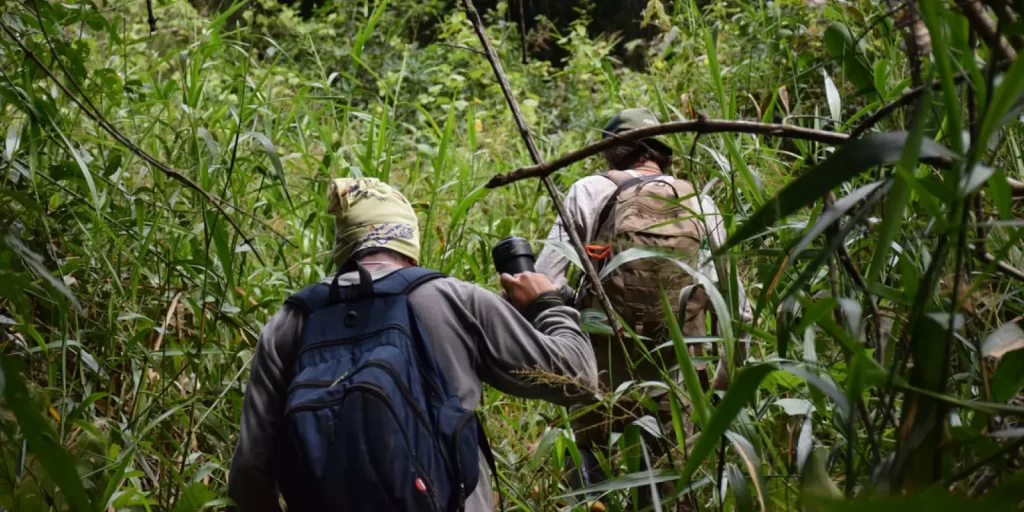
- Training local and international student, providing them with the opportunity to learn about the forest and do their own research under the guidance of our experienced biologists
- Promoting research, with a current focus on the Black-faced spider monkey. In the last year, 9 new species were discovered at the Kawsay Biological Station.
Why They Need Your Help
Kawsay's research and forest monitoring work is reliant upon donations to continue. Every year, 12-24 local students are selected to be trained at Kawsay. Your donation directly contributes to the preservation of the Peruvian Amazon Rainforest and all the species that call it home.