
Ukranian Nature Conservation Group
Ukrainian Nature Conservation Group Partner Snapshot Partner Ukrainian Nature Conservation Group (UNCG) Location Kyiv, Ukraine Category Capacity Building & Training Protected Area Management Scientific Research Wildlife Conservation Urgent Appeals None currently Date Founded 2018 Website uncg.org.ua Partner Qualifications IUCN Member Verified Partner Legally Constituted Effective Impact About Ukrainian Nature Conservation Group The Ukrainian Nature Conservation Group (UNCG), formally established in 2018, is a nonprofit organization founded by biologists and environmental experts. It now includes over 50 conservation professionals and activists working across Ukraine. UNCG’s work focuses on establishing new protected areas, conserving forests, monitoring wildlife populations, and protecting rare plant and animal species. Through field studies and assessments, they provide critical data to guide environmental efforts. Their initiatives maintain ecosystems in forests, wetlands, and grasslands, ensuring the survival of diverse flora and fauna while protecting water quality, soil health, and regional climate stability. They have been instrumental in creating 75% of Ukraine’s recent protected areas and have contributed over 500,000 biodiversity records to the Global Biodiversity Information Facility. UNCG also collaborates with local communities, government agencies, and international organizations to advocate for environmental policy improvements and promote sustainable land use. Their educational outreach inspires public engagement through publications, workshops, and community programs, fostering a culture of conservation for future generations. Their Challenges Ukraine’s ecosystems face significant threats due to ongoing Russian aggression, which has damaged protected areas and disrupted fragile habitats. Vital landscapes, including forests, wetlands, and grasslands, have suffered extensive harm, endangering biodiversity and ecosystem stability. With state resources focused on defense, conservation funding has become scarce, creating an urgent need for external support to sustain fieldwork, document ecological impacts, and plan for ecosystem recovery. UNCG and other conservationists are working to assess the damage and implement strategies for restoring Ukraine’s natural heritage. Recovery efforts include establishing new protected zones, rehabilitating war-impacted habitats, and developing sustainable management practices. UNCG’s commitment to data collection, ecosystem monitoring, and collaboration with local and international partners is critical for ensuring Ukraine’s biodiversity is preserved and its ecosystems are resilient in the long term. Their Approach UNCG leads initiatives to conserve and restore Ukraine’s ecosystems amid ongoing threats. They prioritize preserving ecological data, conducting studies, and creating methods to restore war-damaged habitats. A key focus is advocating for the legal protection of affected areas to safeguard them from regulatory gaps and limited government oversight. UNCG identifies valuable sites across Ukraine to secure their protection status. Their efforts include establishing new nature reserves, improving the management of existing protected areas, and promoting sustainable forest management practices with civic oversight to prevent exploitation. The organization also assesses environmental impacts and advocates for modifications to development projects that threaten biodiversity. In collaboration with international conventions, UNCG monitors and expands Ukraine’s Emerald Network, a vital system of protected sites for European biodiversity. Their work extends to protecting grasslands and steppes from construction and deforestation and conserving rivers and wetlands from drainage projects. By gathering and analyzing data on rare species and habitats, UNCG supports evidence-based conservation actions and policies that minimize ecological harm and build long-term ecosystem resilience. Why They Need Your Help Supporting UNCG ensures the continuation of critical conservation efforts in Ukraine during a time of war. Contributions enable ecological surveys, legal protections for at-risk areas, and biodiversity monitoring across vulnerable landscapes. Funding strengthens their capacity for research, advocacy, and restoration while bolstering civic oversight to counteract risks from deregulation and limited government resources. Donations directly support initiatives such as expanding protected areas, monitoring rare species, and promoting sustainable land management. By contributing, supporters empower dedicated conservation professionals to safeguard Ukraine’s natural heritage and lay the foundation for a sustainable future amid unprecedented challenges.
Malaysian Nature Society
Malaysian Nature Society Partner Snapshot Partner Malaysian Nature Society Location Kuala Lumpur, Malaysia Category Ecosystem Restoration Education Scientific Research Wildlife Conservation Urgent Appeals Protect Green Spaces and Urban Wildlife Date Founded 1940 Website mns.my Partner Qualifications IUCN Member Legally Constituted Effective Impact About Malaysian Nature Society The Malaysian Nature Society (MNS) works to protect Malaysia’s biodiversity through conservation projects, habitat restoration, and wildlife monitoring. It manages nature parks, organizes tree-planting initiatives, and advocates for the protection of endangered species and critical ecosystems. MNS also engages communities through environmental education programs, publishes the Malayan Nature Journal, and collaborates with government agencies and local groups to promote sustainable practices and safeguard the country’s natural heritage. Their Challenges Malaysia’s natural environment faces significant challenges, including widespread deforestation, habitat fragmentation, and encroachment from human activities. These pressures are intensified by climate change, weak environmental governance, and uncoordinated national planning. Remaining forested areas, often located in interior regions, are under constant threat from plantations, mining, infrastructure projects, and hydroelectric developments, leading to carbon emissions, biodiversity loss, and human-wildlife conflict. Indigenous and local communities living in these regions face marginalization and economic struggles, with their voices often excluded from decisions about land development. State governments, seeking additional revenue, frequently prioritize low-cost economic activities like logging and plantation expansion, putting biodiversity-rich forests at risk. Development priorities are further driven by state and district planning documents, which are updated infrequently and often allocate new areas for exploitation. At the federal level, Malaysia faces the complex task of balancing economic development with its commitments to global environmental agreements, such as the Convention on Biological Diversity. While initiatives exist to address these issues, they are often fragmented, lacking the coordination and comprehensive approach needed to ensure sustainable outcomes. Their Approach The Malaysian Nature Society focuses on conserving Malaysia’s biodiversity and restoring ecosystems to ensure long-term environmental health and sustainability. It promotes public awareness through the operation of nature parks like the Kuala Selangor Nature Park and the Kertih ecoCare Environmental Education Centre. These parks serve as hubs for environmental education, offering programs for students of all ages and opportunities for tree-planting activities as part of corporate and community initiatives. Visitors gain a deeper understanding of the interconnectedness of ecosystems and the importance of conservation. MNS undertakes species-focused and landscape-level conservation projects, advocates for improved environmental governance, and publishes the Malayan Nature Journal. These efforts involve extensive fieldwork, research, community engagement, and collaborations with key stakeholders to drive impactful outcomes. To address climate change, MNS prioritizes reforestation, partnering with government agencies, local communities, and Indigenous Peoples to plant thousands of trees across degraded landscapes. These efforts restore critical habitats, mitigate climate impacts, and provide sustainable livelihood opportunities for local and Indigenous communities. Why They Need Your Help MNS relies on donations to sustain its critical conservation work across Malaysia, including monitoring and protecting sensitive habitats in Sabah, Sarawak, and Peninsular Malaysia. Funds support field research, policy advocacy, community collaborations, and digital outreach through platforms like the Malayan Nature Journal and the Rantaian Urban Green Spaces project. Contributions also help train staff, develop eco-tourism initiatives like Merapoh Cave exploration, and maintain long-term conservation efforts to safeguard Malaysia’s precious ecosystems. Your support enables MNS to continue championing nature conservation and protecting vital habitats from escalating threats.
Applied Environmental Research Foundation (AERF)
Applied Environmental Research Foundation Partner Snapshot Partner Applied Environmental Research Foundation (AERF) Location India Category Community Support & Development Ecosystem Restoration Wildlife Conservation Urgent Appeals Save 1,000 Giant Trees in the Western Ghats Date Founded 1995 Website www.aerfindia.org Partner Qualifications IUCN Member Legally Constituted Effective Impact About AERF Since 1995, AERF has been achieving on-the-ground conservation in the Western Ghats, a global biodiversity hotspot, with the active participation of local communities. AERF implements its conservation strategies through five key programs that effectively engage diverse stakeholder groups: 1. Sacred Groves Conservation 2. Applied Biodiversity 3. Communities, Conservation 4. Green Entrepreneurship 5. Business and Biodiversity AERF pioneered incentive-based conservation of privately owned forests in India. In 2007, they launched the MyForest initiative to expand conservation efforts. Through this initiative, AERF has successfully prevented deforestation and conserved globally threatened species across 15,000 acres of privately owned, biodiversity-rich forests in the northern Western Ghats. Additionally, AERF has scaled sacred grove conservation—traditionally protected old-growth forest fragments—across 150 villages in three districts, helping protect endangered species such as the Great hornbill, Indian ground pangolin, Asiatic wild dog, White-rumped vulture, Indian leopard, and Indian gaur. AERF is also responsible for establishing India’s first FAIRWILD certified operation, Nature Connect India Pvt. Ltd. This initiative has brought approximately 7,500 acres of biodiversity-rich forests under sustainable management. This approach has provided sustainable income to local communities while creating inclusive and transparent supply chains for global companies. Their Challenges AERF operates in the open forest landscapes of the northern Western Ghats in Maharashtra. Approximately 90% of the forest areas in this region are owned and managed by local communities. As a result, there is immense pressure on natural resources, as selling land for resort construction and large-scale deforestation due to agricultural expansion are common strategies adopted by locals to generate quick income. This has a significant negative impact on biodiversity and the delivery of ecosystem services. The lack of skills and capacity among locals has led to the overexploitation and indiscriminate felling of economically important trees, reducing the economic productivity of the forests and creating a cascading effect on lesser-known species that depend on these trees. Furthermore, forest degradation results in landslides and wildfires, bringing the entire ecosystem to the brink of collapse and posing an existential threat to local communities. Their Approach AERF focuses on conserving biodiversity-rich forests in the northern Western Ghats through a community-driven, incentive-based approach. Working closely with local communities, AERF implements strategies that prioritize the sustainable management of privately owned forests, which make up the majority of the region’s forest areas. AERF’s MyForest initiative has successfully conserved 12,000 acres of private forests by offering incentives to landowners, promoting sustainable practices, and ensuring biodiversity preservation. AERF also emphasizes the restoration of sacred groves, traditionally protected old-growth forest fragments, and improving landscape connectivity between these critical areas. By engaging communities in sustainable forest management, AERF addresses deforestation and overexploitation of key resources. Their FAIRWILD certified operation, Nature Connect India Pvt. Ltd., further supports these efforts by creating forest-based value chains that provide sustainable income to over 500 community members. This initiative currently manages 7,500 acres of biodiversity-rich forests under sustainable practices. Through their innovative, community-focused approach, AERF ensures the long-term conservation of critical ecosystems while supporting local livelihoods. Why They Need Your Help Advancing conservation within a social context and ensuring its sustainability at scale requires long-term financial support and investment. Donations will be crucial in renewing conservation agreements for another 10 years. Depending on the level of support, these funds can help AERF protect an additional 500 Giant trees and expand value chains under the MyForest initiative. AERF has developed diverse approaches to achieving conservation, aligning their efforts with sustainable economic development for local communities and ecosystem preservation as part of climate change mitigation. With financial backing, they are committed to delivering high-quality, impactful conservation outcomes.
Cape Leopard Trust
The Cape Leopard Trust Partner Snapshot Partner The Cape Leopard Trust Location South Africa Category Education Scientific Research Wildlife Conservation Urgent Appeals None currently Date Founded 2004 Website capeleopard.org.za Partner Qualifications Verified Partner Legally Constituted Effective Impact About The Cape Leopard Trust The Cape Leopard Trust (CLT) is an environmental NGO and non-profit, based in the Western Cape of South Africa. They facilitate and promote the conservation of biological diversity, with a focus on the leopard as a flagship species. Their purpose and vision is to ensure the continued survival of leopards for the benefit of nature and society, by supporting the protection of leopard habitat and prey species, promoting peaceful coexistence between leopards and people, and fostering community custodianship of the Cape’s unique biodiversity. The CLT works to achieve this vision through rigorous scientific research, conservation-in-action initiatives, environmental education and outreach, and positive communication, in collaboration with communities, private landowners, and partner organizations. Their Challenges The Western Cape, South Africa, is home to globally relevant fauna and flora, and the Cape Floral Region is a Global Biodiversity Hotspot. The leopard is a member of the Big 5 and the last large predator to still roam free in the Western Cape. The species faces multiple threats, including limited and fragmented habitat, reduction in prey numbers, and high levels of conflict with people. Leopards in the Western Cape occur at low densities and utilize home ranges up to ten times larger than leopards in other parts of South Africa. Protecting connectivity across the landscape is essential for the leopard’s long-term survival and to ensure they can continue to provide vital ecosystem services. Poaching in the form of illegal snaring is an exceedingly complex challenge. Snares are indiscriminate and take a huge toll on the entire ecosystem, also impacting predators like leopards. The threat of snaring to leopards is two-fold: firstly, it reduces the numbers of their prey species like small antelope and porcupine, and secondly leopards themselves can get caught. Human-predator conflict is another age-old and still ongoing challenge, as leopards continue to be persecuted in retaliation for both real and perceived livestock losses. Engaging youth in protecting biodiversity is often overlooked, yet this is crucial as it fosters a lifelong commitment to environmental stewardship, instills a sense of responsibility, and ensures the continuity of conservation efforts for future generations. In rural settings, teachers often face unique obstacles such as isolation, resource constraints, and multi-grade teaching. Their Approach The CLT’s work and reputation is built on a well-established foundation of robust science and strong relationships. The CLT values an inclusive approach to research, conservation and education. They believe that strong stakeholder communication and incorporation is essential to devise successful conservation strategies. In addition, they try to ensure that all people can access nature-based learning and have created a suite of inclusive environmental education tools to facilitate this. Their research seeks to understand leopard ecology and people’s relationships with leopards, and they employ a variety of methods including camera trap surveys, dietary analyses, habitat suitability and connectivity modeling, citizen science, and social science. The CLT takes a holistic approach to conservation and provides support for livestock farmers with leopard conflict, snare patrols, knowledge-sharing workshops, resources, collaborative initiatives, and community-based outreach. Finally, they aim to inspire the next generation with quality environmental education including wilderness camps, eco-clubs, day outings, holiday programs, art competitions, presentations, online learning, and a children’s literacy project. Why They Need Your Help The Cape Leopard Trust seeks support to monitor leopard population trends through repeat large-scale camera surveys of core leopard habitat. The operational running costs of these surveys are immense. Furthermore, they need help to rapidly mitigate emerging threats to leopards. The increasing prevalence of snaring in the province has prompted the development of our collaborative Snare Free project, which requires urgent support to combat this threat. Additionally, funds are required to identify, investigate and conserve ecological corridors in partnership with private landowners and other stakeholders.
Defensores de la Naturaleza
Defensores de la Naturaleza Partner Snapshot Partner Defensores de la Naturaleza Location Guatemala, Latin America Category Community Support and Development Wildlife Conservation Protected Area Management Urgent Appeals Protecting Guatemala’s Cloud Forest From Devastating Wildfires Date Founded 1986 Website www.defensores.org.gt Partner Qualifications IUCN Member Verified Partner Legally Constituted Top Accountability Effective Impact Conservation Action Heroes About Defensores de la Naturaleza Defensores de la Naturaleza is the formal environmental organization with the longest history in Guatemala, having been managing and carrying out conservation activities for more than 40 years. Their work has contributed to the conservation of 80% of the Guatemalan flora and fauna species, as well as the management of more than 87 watersheds that supply water to more than 500,000 inhabitants. They are currently responsible for the protection and management of 4 protected areas in the country: Sierra de las Minas Biosphere Reserve, Bocas del Polochic Wildlife Refuge, Sierra del Lacandón National Park, and United Nations National Park. These areas are home to much threatened biodiversity, including the Guatemalan fir, the Yucatán black howler monkey, the Jaguar, the Horned guan, the American manatee, and the Resplendent quetzal. Their Challenges Forest fires are one of the main threats to the degradation of ecosystems and biodiversity in the protected areas that Defensores de la Naturaleza co-manages. For this reason, accessing continuous funding to carry out forest fire monitoring and control, especially during the dry season, has become one of their main challenges. Another key focus is to persist in their biological monitoring endeavors, aiming for a conservation model rooted in evidence and data. Simultaneously, their ongoing efforts involve exploring avenues to assist communities residing near protected areas in adapting to climate change. This encompasses initiatives such as promoting water access, implementing ecosystem-based adaptation strategies, establishing agroforestry systems, and providing support to local associations, all of which have their unique challenges. Their Approach Defensores de la Naturaleza adheres to five strategic pillars of action to achieve their goals: Climate Action and Resilience: Promoting effective initiatives that contribute to mitigating the effects of climate change and enable local populations to adapt and be resilient in the long term Natural Areas and Biodiversity: Establishing measures that contribute to the management and protection of areas crucial for the conservation of biological diversity Environmental Education and Awareness: Supporting the teaching-learning process to strengthen capacities, generate positive attitude changes, and instill environmental care in future generations Organizational Development: Focusing on achieving the optimal functioning of the organization by ensuring the alignment of processes, the efficiency of program execution, and the management of human talent Citizen Advocacy: Seeking to influence decision-making spaces at national and international levels, connecting with individuals and organizations dedicated to the conservation and protection of the environment Why They Need Your Help Defensores de la Naturaleza plays a crucial role in safeguarding Guatemala’s biodiversity. The Protected Areas they manage represent 5% of the Guatemalan territory, supporting over 400 communities dependent on the provided natural resources. Sustaining the protection and effective management of these biodiverse regions requires ongoing financial support for professional salaries and expertise, proper equipment maintenance, expanded research initiatives, improved research stations, and the continuous creation of communication materials to raise national awareness about the environment’s significance.
Fundación Patagonia Natural
Fundación Patagonia Natural Partner Snapshot Partner Fundación Patagonia Natural Location Argentina, Latin America Category Education Wildlife Conservation Protected Area Management Urgent Appeals None currently Date Founded 1989 Website www.patagonianatural.org.ar Partner Qualifications IUCN Member Legally Constituted Effective Impact About Fundación Patagonia Natural Fundación Patagonia Natural is an Argentinian non-profit organization that works for a better quality of life for the people of Patagonia through the protection of nature and the sustainable use of natural resources. They manage two refuges: Punta Flecha, located 17 km from Puerto Madryn in El Doradillo Municipal Protected Area, a Southern right whale hotspot, and La Esperanza, located 75 km north of Puerto Madryn and within the buffer zone of the Peninsula Valdés Protected Natural Area, a Natural Heritage of Humanity UNESCO site. Their Challenges 25% of Argentina’s wild animal species are considered at risk of extinction, yet deforestation and agriculture continue to expand, pushing wildlife further towards the edge. Argentina has also been experiencing more severe and frequent flood and droughts. Argentina’s formal system of Protected Natural Areas currently only covers less than 5% of the country’s surface. Thus, buffer zones constitute a great opportunity to improve this ratio. Fundación Patagonia Natural manages these lands with the aim of conserving a representative area of the Patagonian Coastal Steppe. Their Approach Fundación Patagonia Natural manages many conservation projects, including increasing renewable energy accessibility, research on Argentina’s ecosystems and biodiversity, increasing opportunities for environmental education for both students and teachers, and direct conservation initiatives. Why They Need Your Help Fundación Patagonia Natural is a non-profit that is reliant on the generosity of donors to continue their critical conservation projects. Their work simply cannot continue without donations from the public.
Reserva Tesoro Escondido
Tesoro Escondido Reserve Foundation Partner Snapshot Partner Tesoro Escondido Reserve Foundation Location Ecuador, Latin America Category Community Support and Development Scientific Research Wildlife Conservation Urgent Appeals Help support Tesoro Escondido Reserve Parabiologists Date Founded 2016 Website tesororeserve.org Partner Qualifications Verified Partner Legally Constituted Top Accountability Effective Impact Conservation Action Heroes About Tesoro Escondido Reserve Foundation The Tesoro Escondido Reserve Foundation works to conserve the highly threatened lowland Ecuadorian Chocó forest through participatory scientific research, environmental education, and sustainable community projects. It protects a 5,000 acre nature reserve that many endangered and endemic species depend upon for their survival, including the Ecuadorian brown-headed spider monkey. Their Challenges The Chocó lowland forest is threatened by several anthropogenic activities, mainly timber extraction and agriculture. Flora and fauna in this forest are still understudied and many species haven’t been described yet. Furthermore, local communities are not aware of the highly biodiverse area they live in, making its conservation a challenge. Mining in the near future may become a major additional threat, as it is expanding throughout the country. Their Approach The Tesoro Escondido Reserve Foundation coordinates participatory scientific research, carrying out biodiversity surveys in the reserve at their scientific station. They also work with around 500 children in local communities around the reserve through their permanent environmental education program. They develop sustainable development community projects, particularly with local women to strengthen local businesses and capacity building. They also manage a coexistence project that reduces human-wildlife conflict with jaguars and other predators. The Foundation supports indigenous Chachi and mixed communities with habitat restoration projects and agroecology development. Why They Need Your Help The Tesoro Escondido Reserve Foundation needs donors’ support to guarantee the continuation of its activities, particularly core costs which allow them to pay staff salaries and fund the operations and improvements of their crucial research station.
Silky Sifakas Need Your Help
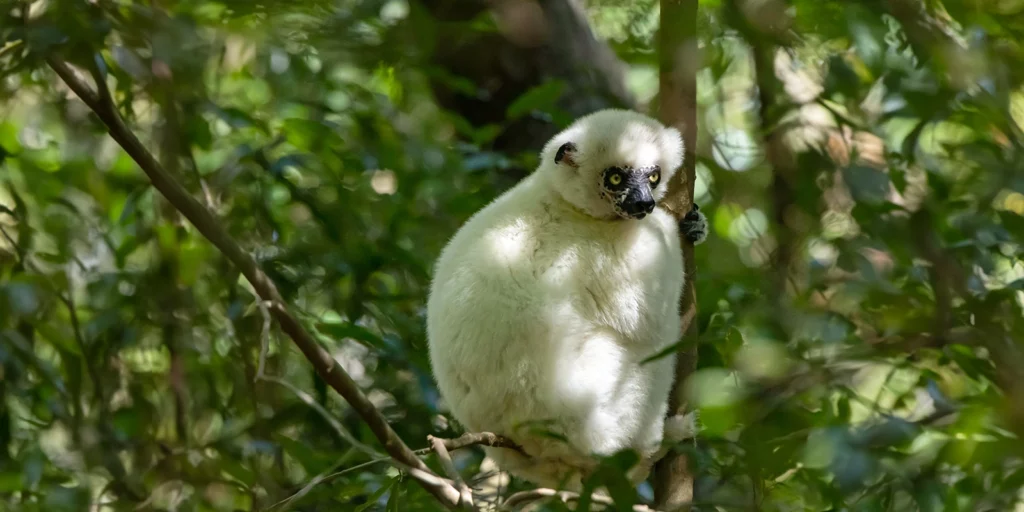
SUPPORT Verified for authenticity Learn More IMPACT PROMISE Our Partners are carefully selected due to their high conservation impact Partner Snapshot Partner Name: Lemur Conservation Foundation Location: Marojejy National Park, Madagascar Appeal Category: Endangered Species Wildlife Conservation Scientific Research Key Species: Silky sifaka Indri Red ruffed lemur Challenges And Threats: Bushmeat hunting Slash-and-burn agriculture Selective logging Actions: Arboreal camera trapping for lemurs Silky sifaka long-term monitoring The Challenge Critically endangered silky sifakas are among the rarest primates in the world with less than 2000 remaining individuals and none in zoos. They are only found in a small area of northeastern Madagascar at elevations above 600m. For many years this species was listed as one of the World’s Top 25 rarest primates. Silky sifakas are the flagship species for Marojejy National Park, a World Heritage Site. Due to their rarity and the steep mountainous terrain, obtaining valid population densities is challenging. It is critical for the survival of this species that more is learned about where exactly they are found, their abundance, and the local threats that vary with site. Urgent Appeal Funds are needed for two silky sifaka conservation research projects: Arboreal camera trapping and Long-term monitoring. From December 1, 2023 to June 1, 2024, we plan to conduct a lemur survey in southwestern Anjanaharibe-Sud (near Camp Indri) using motion-activated camera traps placed high in the trees and on the ground. Particularly for very rare species, such as critically endangered silky sifakas, or cryptic species like aye aye, traditional survey methods such as line-transect surveying, require large amounts of time and resources and do not always produce clear results. Arboreal camera trapping is a new methodology increasingly used for lemurs in Madagascar. Our long-term monitoring program focuses on four groups of silky sifakas that we would like to visit each year (Camp Marojejia in Marojejy National Park, Camp Indri in Anjanaharibe-Sud Special Reserve, and Maherivaratra, a disturbed unprotected forest). Additionally, we hope to start visiting the groups near Simpona Lodge in Makira National Park, an unusual low-elevation site. We have habituated several of these groups and have established individual recognition. It is critical to regularly follow these groups (at least once per year for several weeks) to learn more about their demography and document critical life-history parameters such as number of infants born each year, birthdates, changes in group membership as well as obtaining ranging and feeding data. Moreover, our team plays a vital role in protecting these groups by destroying bushmeat traps, identifying new disturbances in their habitat, and organizing patrols if needed. Our presence deters poaching. Why Your Donation Matters With 22 lemur species, including 6 critically endangered species, northeastern Madagascar has long been a primate conservation and biodiversity hotspot. Lemur Conservation Foundation is one of the primary sponsors of Marojejy National Park and Anjanaharibe-Sud Special Reserve, which are among the largest and least disturbed rainforest landscapes in Madagascar. Silky sifakas are actually a nationally recognized lemur with their own national stamp and several international films. Before COVID, thousands of tourists visited this region specifically to see silky sifakas which are one of the largest lemurs, absolutely gorgeous fluffy white acrobats that inhabit steep magnificent mountain cliffs, truly breathtaking. Local communities recognize that silky sifakas bring researchers, tourists, and resources. Moreover, this species is very unique with a high elevation preference and they depigment (turning pink) more rapidly with age than any other primate species. Partner Qualifications IUCN Member A distinguished Member of the International Union for the Conservation of Nature. IUCN Members are each vetted and voted on based on an independent, rigorous assessment and external references. Learn More Verified Partner One of Conservation Allies’ staff or trusted advisors has visited this organization and verified its work and impact. Legally Constituted This organization is formally constituted and is a legally recognized non-profit in its country of origin. Top Accountability Our experienced team has rigorously reviewed the organization’s annual accounts. Learn More Effective Impact We recognize this Partner for their tremendous efforts to make a difference for wildlife and local communities, as well as welcome technical support from Conservation Allies to improve and scale up their impact. Conservation Action Heroes We recognize this Partner for their high level of engagement with the Conservation Allies team and their demonstration of a clear commitment to our collective mission of making a real difference and having a major impact on wildlife and communities where it is needed most.
Protecting Madagascar’s Remaining Dry Forests: Save Kasijy Special Reserve!

Protecting Madagascar’s Remaining Dry Forests: Save Kasijy Special Reserve! Across Madagascar, Kajisy and other forest fragments like it face mounting pressure from deforestation, slash-and-burn agriculture, illegal logging, and recurrent fires. As a result, there is an imminent risk of flora and fauna loss and overexploitation. Every donation helps ensure that Madagascar’s forests, wildlife, and communities can thrive together. Raised so far $0 Goal $10K 0% funded APPEAL Snapshot Partner IMPACT Madagascar Location Kajisy Special Reserve, Madagascar Appeal Category Community Support and Development Ecosystem Restoration Wildlife Conservation Key Species Crowned sifaka (Propithecus coronatus) Decken’s sifaka (Proputhecus deckenii) Fork-marked lemurs (Phaner furcifer) Fossa (Cryptoprocta ferox) Partner Qualifications Verified Partner Legally Constituted Effective Impact Conservation Action Heroes The Challenges Across Madagascar, Kajisy and other forest fragments like it face mounting pressure from deforestation, slash-and-burn agriculture, illegal logging, and recurrent fires. Rapid population growth near protected areas, coupled with lack of stable income, has intensified demand for land and natural resources, threatening habitats that sustain both people and wildlife. Many local people remain unaware of the long-term value of conserving the reserve’s biodiversity and ecosystem services. As a result, unsustainable practices persist, leading to overexploitation of natural resources and the imminent loss of unique flora and fauna. Immediate conservation actions are urgently required to protect this remarkable site, safeguarding its wildlife while supporting and improving the living conditions of local communities to develop more sustainable and resilient livelihoods. Urgent Solutions Kasijy Special Reserve is important for biodiversity as it is one of the rare remaining dry galery forests. Urgent actions are required, including: Preventing and controlling bushfires through community patrols and forest restoration efforts Strengthening ecological monitoring in close collaboration with local communities to better understand and manage changes in biodiversity Reinforcing environmental education and awareness, ensuring that conservation becomes part of community values and daily practices. Developing sustainable income generating activities that reduce dependence on destructive practices, focused on agroecology that support both nature and livelihoods. IMPACT Madagascar is proving that community-led conservation works. In 2024 alone, their teams and partner communities achieved measurable impact across nine similar conservation sites. Now, they need to expand this momentum to Kajisy : restoring habitats, strengthening patrols, and ensuring that community members have the tools they need to protect this precious forest ecosystem before it is too late. Why Your Donation Matters Your support directly funds community-driven conservation the most effective, locally rooted way to safeguard Madagascar’s biodiversity. When you give to IMPACT Madagascar’s Kajisy Forest Appeal, your donation goes directly towards: Training and equipping community rangers to prevent logging, fires, and other illegal activity. Supporting local campaign awareness and income stream generation that reduce reliance on forest resources. Monitoring endangered species found nowhere else on Earth. Reforestation with local communities. Every donation helps strengthen the connection between people and nature, ensuring that Madagascar’s forests, wildlife, and communities can thrive together, now and for generations to come.
Conserve Peru’s Forests Through Primate Reintroduction
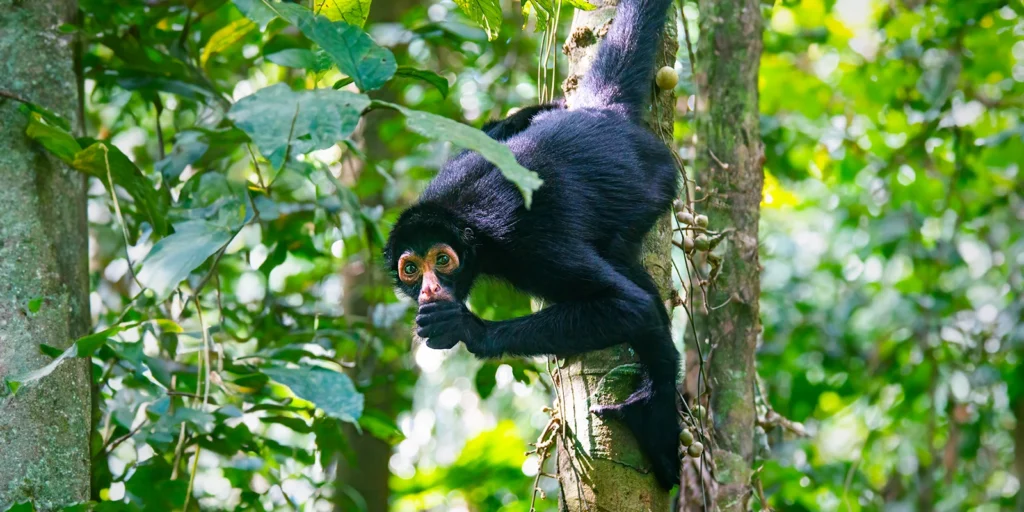
DONATE TO KAWSAY Verified for authenticity Learn More IMPACT PROMISE Our Partners are carefully selected due to their high conservation impact Partner Snapshot Partner Name Kawsay Biological Station Location: Madre de Dios, Peru Appeal Category: Capacity Building and Training Scientific Research Wildlife Conservation Key Species: Black face Peruvian spider monkey Iron wood Harpy eagle Challenges And Threats: Selective logging Lack of capacity building for local students Lack of field equipment Actions: Training students Securing equipment Installing satellite internet connection The Challenge Since 2018, Kawsay Biological Station has managed the conservation of a forest almost 500 acres in size, next to the Tambopata National Reserve. Before 2018, this area was heavily impacted by selective logging, mining, and hunting. Since their presence in the area, these activities have remained controlled. A group of reintroduced spider monkeys is also found in this forest and Kawsay members are focused on ensuring their viability. A large focus of Kawsay’s work is managing the forest through the protection of spider monkeys and involving local students in research and conservation action. Urgent Solutions The illegal activities continue to occur around the Kawsay concession, and the risk and threat are present. It is important that Kawsay staff, interns, and volunteers maintain a constant presence within the forest, while they carry out patrol activities, study wildlife, and above all, monitor the monkeys. In doing so, the forest is monitored and illegal activities have stopped altogether. Increased access to scientific equipment will help Kawsay members to better understand the ecological requirements of the spider monkey, and will improve the training experiences of local students. Why Your Donation Matters Your donation will support the training of local students so they can have better educational opportunities and contribute to conservation long into the future. It will also help to ensure the viability of a reintroduced group of spider monkeys who are important seed dispersers and help the natural regeneration of the forest. The return of this species to an area where they were once considered extinct will help to restore the composition and function of this forest. Partner Qualifications IUCN Member Verified Partner Legally Constituted Top Accountability Effective Impact Conservation Action Heroes