
Urgent Protection Needed In Sierra Nevada De Santa Marta
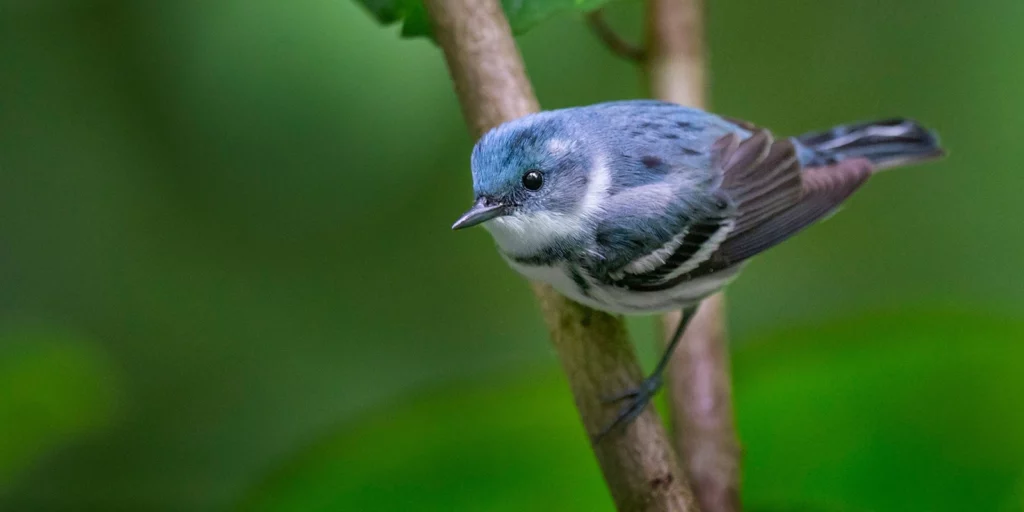
FUNDING GOAL $12,175 DONATE TO PROAVES Verified for authenticity Learn More IMPACT PROMISE Our Partners are carefully selected due to their high conservation impact Partner Snapshot Partner Name Fundación ProAves Location: El Dorado Nature Reserve, Sierra Nevada de Santa Marta, Colombia Appeal Category: Ecosystem Restoration Endangered Species Protected Area Management Reforestation Wildlife Conservation Key Species: Santa Marta Parakeet Santa Marta Toro San Lorenzo Harlequin Frog Challenges And Threats: Illegal Invasions to claim and clear forest Vacation home developments Cattle pasture lands Actions: Reserve rangers Improve Protection Forest restoration The Challenge On Colombia’s Caribbean shores stands the highest coastal mountain on earth. The Sierra Nevada de Santa Marta is a corrugated pyramid of rock that rises almost four miles high. This ancient massif that dates back to the Jurassic period contains a microcosm of the entire planet from deserts to rainforest to glaciers with an extraordinary diversity of plants and animals found nowhere else. It is regarded as the planet’s single most important site for threatened and endemic biodiversity, as it boasts the highest concentration of endemic bird species in the world. As a result, the prestigious journal Science dubbed the area the “Most Irreplaceable Site on Earth” and a major priority for biodiversity conservation. Located on the Sierra Nevada’s most vulnerable northwestern flank—less than ten miles from the city of Santa Marta—is perhaps the world’s most important nature reserve: El Dorado. Established in 2005 by our Colombian partner Fundación ProAves, the reserve protects over 3,200 acres, safeguarding habitat for threatened species such as the Critically Endangered Santa Marta Toro and the Santa Marta Harlequin Frog. However, in recent years land speculation around the reserve has spiraled out of control as the reserves offers surrounding areas with exceptional natural resources such as clean water, cooler climes and spectacular views. Unfortunately this speculation has spurred some unscrupulous individuals to try and illegal invade some parts of the reserve to claim land and then sell it. ProAves is desperate to increase protective measures at this Reserve. Urgent Solutions Following decades of uncontrolled colonization and agricultural expansion, less than 15 percent of the Sierra Nevada de Santa Marta’s original highland forest remains intact. All the more important that the El Dorado Nature Reserve represents one of the last refuges of strict protection for this mecca of endemic biodiversity. Principle threats include illegal invasions of the reserve to claim and clear forest then sell it for vacation home developments. The construction of vacation homes in the cooler climes of the mountain poses a growing danger to the forests and with land prices quadrupling each year, the demand for land is putting immense pressure on the reserve boundaries and what little forest survives outside the reserve. Unfortunately, the area’s many endangered and endemic species are concentrated in these cooler montane forests where threats are greatest. Almost every endemic species in the massif is struggling to survive amidst the continued destruction of their habitat. This appeal will provide critical resources to fund and equip three new Reserve Rangers, establish a new Ranger Station where threats are greatest and establish a communication network for alerts across the reserve to rapidly respond to threats. Why Your Donation Matters With invasions and deforestation placing this biodiversity jewel at tremendous risk, our partner urgently seeks support increase protective measures with additional reserve Rangers, new ranger stations and a communications system for alerts across the reserve. Your help will ensure the reserve continues to be a safe haven for the planet’s most important biodiversity hotspot. Partner Qualifications IUCN Member Verified Partner Legally Constituted Top Accountability Effective Impact Conservation Action Heroes
Corporación SalvaMontes
Corporación SalvaMontes Partner Snapshot Partner Corporación SalvaMontes Location Colombia, Latin America Category Endangered Species Protected Area Management Wildlife Conservation Urgent Appeals None currently Date Founded 2016 Website salvamontes.org Partner Qualifications Legally Constituted About Corporación SalvaMontes Corporación SalvaMontes is a non-profit organization in Colombia that focuses primarily on the biodiverse extreme north of the Tropical Andes hotspot. Managing 2,900 acres of natural reserves of cloud forests, they safeguard over 16 Threatened species. Their efforts center on the Alto de Ventanas, a significant biologically rich area at Colombia’s northern central Andes. This region holds prominence in Colombia’s updated National Strategy for Plant Conservation. Furthermore, it’s a proposed Key Biodiversity Area as per IUCN criteria. In the Alto de Centanas, Salva Montes manages three reserves spanning 1,900 acres, strategically placed to protect the magnolia trees, Handley’s slender opossums, and their habitat remnants. They also manage 123 acres of nature reserve in the Darién Gap of Chocó, protecting the unique and endangered Magnificent butterfly palm. Finally, SalvaMontes also co-manages 880 acres of forest in the highlands of northern-central Antioquia, where they are working to conserve the Critically Endangered Antioquia brushfinch. Their Challenges Forests in the Antioquia and Chocó departments of Colombia are in danger of being logged due to the opening of pastures for cattle and illegal wood production. Although these forests are home to a great abundance of biodiversity and several endemic, threatened species, the threat of deforestation continues on. Their primary challenge in guaranteeing the conservation of Colombia’s wildlife is in protecting the most well-preserved fragments of habitat that still remain. THey are also focused on restoring and rewilding the degraded areas of forest in order to reconnect fragments by mending the biological corridors. While restoring forests is very difficult given the region’s deforestation trend, it is a highly effective, essential step in fighting the climate and biodiversity crises of today. Their Approach SalvaMontes implements its conservation projects in the following ways: Creation and management of natural reserves in areas that hold the best remaining habitat fragments Restoration of habitat in degraded areas, allowing for the reconnection of habitat fragments and recreation of biological corridors Propagation and planting of threatened tree species Developing conservation plans for Critically Endangered species like the Antioquia brushfinch, Handley’s slender opossum, Ghost monkey orchid (also known as the Lemurella’s orchid), Magnificent butterfly palm, and Ventanas magnolia tree. Working with local people and landowners, SalvaMontes provides environmental education, raises awareness on environmental issues amongst communities, and works alongside locals in conservation action and sustainable development. Why They Need Your Help Currently, SalvaMontes is executing a conservation project to support the restoration of the natural populations of Magnolia trees. Activities include the monitoring of trees, the collection and germination of seeds in a tree propagation nursery, and the planting of produced trees in their natural habitat. This project will also help the expansion of Los Magnolios Natural Reserve through the purchase of a neighboring land parcel that has a large area of primary forests (608 acres), which will secure habitat for the species that inhabit this protected area. SalvaMontes depends on generous donations to continue their essential conservation work in Colombia. Your donation is used to support actions that produce a direct, positive impact in the conservation of threatened species and their habitats in Colombia.
Sociedad Ornitológica de Córdoba (SOC)
Sociedad Ornitológica de Córdoba Partner Snapshot Partner Sociedad Ornitológica de Córdoba (SOC) Location Colombia, Latin America Category Ecotourism Land Purchases Scientific Research Urgent Appeals None currently Date Founded 2019 Website sociedadornitologicadecordoba.org Partner Qualifications Legally Constituted Effective Impact About Sociedad Ornitológica de Córdoba The Sociedad Ornitológica de Córdoba (SOC) is an early-career non-profit organization based in the city of Monteria, Colombia. The SOC’s aims are: To promote the study, research, and dissemination of ornithology at various academic, educational, and recreational levels To establish the principles of harmonious coexistence with nature, and To promote social and sustainable economic development of nature. SOC seeks to be a leading organization deeply committed to the development of activities contributing to the conservation and valuation of the region’s birds. The projects carried out by the SOC to date include the search for the Sinu Parakeet, a bird lost since 1949, establishing the Agami Heron Birding Trail in the mangroves of Cispatá Bay, and studing large birds of prey to generate knowledge and conservation actions. Their Challenges Colombia is home to an incredibly diverse array of landscapes and habitats. However, almost all of the lowland rainforest in the region have been destroyed and converted to cattle pasturelands, placing enormous threats on local biodiversity, habitats, and water sources. Their Approach SOC’s focus is on studying and generating new information on at-risk species and ecosystems. They are working to protect Colombia’s birds and other wildlife. The SOC is working to carry out the following projects: Create new protected areas for species and ecosystem conservation in Córdoba, such as the Crested Eagle Nature Reserve Research and monitor endangered bird species for in situ conservation, including the Agami heron Continue providing workshops to community members to raise awareness of the importance of conserving ecosystems Build capacities and tools that enable communities to use natural resources sustainably and follow good ecotourism practices, such as the Agami Heron Birding Trail. Why They Need Your Help To continue its critical work in ornithology and conservation, Sociedad Ornitológica de Córdoba seeks your support. Thanks to its donors, SOC has been able to develop projects with results of great interest to science and a positive impact on local communities.
Neotropical Primate Conservation
Neotropical Primate Conservation Partner Snapshot Partner Neotropical Primate Conservation Location Peru, Latin America Category Community Support and Development Protected Area Management Wildlife Conservation Urgent Appeals Helping Communities Preserve Primates Date Founded 2007 Website www.neoprimate.org Partner Qualifications IUCN Member Verified Partner Legally Constituted Top Accountability Effective Impact Conservation Action Heroes About Neotropical Primate Conservation Neotropical Primate Conservation (NPC) is a non-profit organization that use primates as flagship species to spearhead conservation efforts, but their work doesn’t only benefit primates. In order for primates to survive in the wild, they need a thriving ecosystem, which means NPC’s efforts also go towards protecting all the other species that live alongside primates and call the rainforest their home. NPC works with local communities as they believe conservation starts with people. Their projects ensure sustainable access to natural resources for local communities. NPC was founded by a group of friends who shared the same passion for conservation, beginning as a non-profit organization in the UK. Since then, NPC has expanded and now has branches in Peru, Colombia, and Argentina. Monkeys are crucial to ecosystem health and also play a significant role in traditions of many local peoples. Their Challenges Many of the primates that NPC helps to protect are among the least known and most threatened species in the world. This means that they face a very real danger of extinction in the near future. The main threats to primates are the loss of habitat through deforestation as well as hunting for the illegal wildlife trade and bushmeat. These threats are caused by unsustainable practices both locally and globally and will only worsen without action to safeguard their future. Their Approach NPC was set up in order to promote the conservation of forest habitats and wildlife through land protection, research, improvement of degraded habitat for wildlife, creation of public awareness programs, and sustainable development. They work to create private and community-run reserves to ensure long term habitat protection for wildlife. Through this work, they help local communities strengthen their stewardship of nature as well as protect their traditional and cultural identities, benefiting both humans and the environment. NPC runs many successful, low-cost projects, and they use their experiences to promote efficient conservation globally. NPC’s community-based conservation approach means that the reserves are protected by those who actually live in and around the forest, leading to real, on-the-ground protection by those with the most to gain from continued access to a healthy environment. This also leads to wider, ecosystem level conservation in areas between the reserves. At their main project site, the elimination of hunting of the Yellow-tailed woolly monkey led to a documented ~20% increase in the population since 2007, and local level bans on clear-cutting of forests led to deforestation rates dropping below those of surrounding areas. Their research into the Peruvian night monkey provided proof that the species is much more at-risk than previously thought, resulting in the IUCN raising its category from Vulnerable to Endangered, and so focusing more attention on its protection. In Colombia, Neotropical Primate Conservation is leading the National Conservation Plan for the Critically Endangered Colombian spider monkey, a species that only survives in some of the most troubled parts of the country. The action plan has become a legal document that guides government policy at the national and regional levels. Why They Need Your Help Neotropical Primate Conservation is reliant upon generous donations to continue their highly effective work in primate conservation and sustainable community development throughout Latin America.
Kawsay Biological Station

Kawsay Biological Station Partner Snapshot Partner Kawsay Biological Station Location Peru, Latin America Category Capacity Building and Training Scientific Research Wildlife Conservation Urgent Appeals Forest Management Through Monitoring Primates Date Founded 2018 Website www.kawsaycenterperu.org Partner Qualifications Verified Partner Legally Constituted Effective Impact About Kawsay Biological Station The Kawsay Biological Station is a wildlife research non-profit located in Madre de Dios, Peru — one of the most biodiverse areas on the planet. Kawsay is a Quechua word that means life. Just one hour by boat from the city, the research station works in the buffer zone of the Tambopata National Reserve. This buffer zone is heavily impacted by illegal gold mining, selecting logging, and hunting. Kawsay is committed to monitoring, providing education, and managing research programs, which are available to everyone, whether they are a conservation professional or not. One of Kawsay’s major current projects is the reintroduction of a population of Endangered Black-faced spider monkeys to the area. Since 2018, there have been 15 births in the reintroduced spider monkey population. Kawsay’s efforts, therefore, have allowed the species to re-establish in an area where it was previously extinct. Their Challenges The lower part of the Madre de Dios River has suffered greatly from illegal gold mining, logging, and hunting. However, since the construction of Kawsay Biological Station, no further illegal activities have been registered in the area. Kawsay’s monitoring of the forest is essential in continuing to prevent illegal activities in Madre de Dios. Their Approach Kawsay’s approach to the conservation of the natural wonders of Peru is multi-faceted, with a focus on research. Their practices include: Management of the forest through patrolling and surveillance Training local and international student, providing them with the opportunity to learn about the forest and do their own research under the guidance of our experienced biologists Promoting research, with a current focus on the Black-faced spider monkey. In the last year, 9 new species were discovered at the Kawsay Biological Station. Why They Need Your Help Kawsay’s research and forest monitoring work is reliant upon donations to continue. Every year, 12-24 local students are selected to be trained at Kawsay. Your donation directly contributes to the preservation of the Peruvian Amazon Rainforest and all the species that call it home.
Fundación ProAves
Fundación ProAves Partner Snapshot Partner Fundación ProAves Location Colombia, Latin America Category Endangered Species Land Purchases Wildlife Conservation Urgent Appeals Save Colombia’s Chocó Rainforest Date Founded 1998 Website www.proaves.org Partner Qualifications IUCN Member Verified Partner Legally Constituted Top Accountability Effective Impact Conservation Action Heroes About Fundación ProAves The Fundación ProAves was hatched 25 years ago by a group of Colombian conservationists desperate to save the Yellow-eared parrot from the brink of extinction. They succeeded in what is widely considered one of the greatest species revivals ever documented. Inspired by this new hope, ProAves expanded its efforts to save other globally threatened species, especially birds and amphibians throughout Colombia, by means of research, innovative conservation actions, and community outreach. ProAves is the leading national conservation non-profit in Colombia, which is one of the most biologically diverse countries on earth. ProAves is active across all major biomes and regions of Colombia and manages 28 Nature Reserves in critical biodiversity hotspots, permanently protecting the homes of countless endangered species and unique habitats. The passion and commitment to conservation shown by the ProAves family is nurtured by alliances and collaboration with local and indigenous communities, with whom they work to save biodiversity. The mission of Fundación ProAves is to protect birds and biodiversity in Colombia through research, specific conservation actions, and outreach with the community. Their Challenges Colombia is home to an astounding diversity of landscapes, included a vast area of the Amazon, the glacier-capped mountains of the Andes, mangroves along the Pacific Coast, vast stretches of the Caribbean Sea, and the open savanna of the Orinoco River basin—combined, these habitats hold some of the greatest biological diversity on the planet. In fact, Colombia is second only to Brazil as the most “megadiverse” country on earth, hosting over 10% of the planet’s biodiversity. Worldwide, it ranks first in bird and orchid species diversity and second in plants, butterflies, freshwater fishes, and amphibians. Tragically, Colombia currently faces multiple major threats to its once-vast forest landscapes. The instability from the COVID-19 pandemic crisis allowed unscrupulous persons to invade protected areas and exploit natural resources as government entities struggled to respond. Combining this with the 2016 peace process that sparked a tsunami of natural resource exploitation and colonization, deforestation rates are skyrocketing to some of the highest worldwide. The unprecedented exploitation of Colombia’s natural treasures has decimated vital habitats necessary for the survival of many unique and range-restricted species. ProAves has scaled up their actions to stop deforestation. They continue to face mounting challenges but will continue to fight to save precious wildlife and habitats across Colombia. Their Approach ProAves conservation approach is built on 25 years of effective science-based, laser-focused biodiversity conservation action. Their tried and tested field experience has led to some of the most successful conservation impacts and outcomes in Latin America. Their objectives include: Targeted Research in Search of Conservation Solutions: Locating priority areas for endangered species, increasing knowledge of threats to those species, designing conservation actions that address those threats, and establishing conservation strategies for Colombia. Direct Conservation Action: Implementing science-based action plans and strategies to save endangered species and sites. This includes establishing new Protected Areas, improving and strengthening reserve management plans, and promoting policies for the protection and conservation of biodiversity and their habitats. Community Outreach: Working with local people is key to ensuring conservation actions survive in the long term. ProAves prioritizes environmental education for youth and helps provide communities with knowledge and skills to sustainably benefit from nature, such as ecotourism training and maintaining traditional knowledge and practices. ProAves Reserves are not islands of biodiversity, but are instead interactive nodes of conservation within the larger landscape. ProAves makes a concerted effort to work with and educate the community through campaigns, workshops, and capacity building. A clear example of these actions is at the El Paujíl ProAves Reserve, where direct conservation and environmental education carried out to save the Critically Endangered Blue-billed curassow resulted in a ban on hunting this turkey-sized bird. Consequently, the population density of the curassow has increased from 3.1 individuals per km2 in 2004 to over 8.4 individuals per km2 in 2020. This significant population increase shows the importance of the protected areas and working with the community. Why They Need Your Help Your donation to ProAves will help them to: Save more than 12% of all bird species on the planet (1,337 bird species in ProAves reserves) Protect in perpetuity more than 160,600 acres of crucial wildlife habitat across Colombia that contains an estimated 10% of all flora and fauna species on Earth Support over 70 conservationists dedicated to protecting Colombia’s wonderful wildlife
Fundação Ecológica Cristalino
Fundação Ecológica Cristalino Partner Snapshot Partner Fundação Ecológica Cristalino Location Brazil, Latin America Category Ecotourism Protected Area Management Endangered Species Urgent Appeals None currently Date Founded 1999 Website www.fundacaocristalino.org.br Partner Qualifications Verified Partner Legally Constituted About Fundação Ecológica Cristalino Fundação Ecológica Cristalino is a non-profit organization that leads biodiversity conservation activities and projects in the region of Alta Floresta in the State of Mato Grosso, Amazon, Brazil. They manage the Private Natural Heritage Reserves, which covers a total area of 17,297 acres, help in the management and conservation of other areas in Brazil, covering an additional 10,081 acres. Fundação Ecológica Cristalino has three main areas of focus: scientific research, conservation of rainforests and protected areas, and environmental education projects. Their Challenges The project is located in the southern Brazilian Amazon, in the municipalities of Alta Floresta, Carlinda, Novo Mundo and Paranaíta. It is a region that was colonized 45 years ago, and during this process it suffered many environmental impacts, from gold prospecting to deforestation for cattle ranching. Currently, soy plantations are increasing, leading to increased deforestation and habitat fragmentation. The region still has rich biodiversity, but it is threatened by the advancing agricultural frontier the deforestation arc. There are over 600 registered species of birds (25 endangered), 100 species of reptiles and amphibians (2 endangered), 1,400 plant species (3 endangered), 1,500 butterfly species, 900 fungus species and 50 species of mammals (14 endangered), including the Groves’ titi monkey, which is critically endangered. Their Approach Fundação Ecológica Cristalino leads several biodiversity conservation projects, which include: Looking for Jaguar: Estimating and monitoring the size of the jaguar population and of other terrestrial mammals, in order to learn about their habits and protect this group, which is threatened by hunters Monitoring Biodiversity: Contributing to the conservation of the Southern Amazon, through the monitoring of birds, large mammals, butterflies and woody plants A Day in the Forest: An environmental education project that has been running since 2008, involving school children aged 8 to 10 in activities such as hiking, observation of fauna and flora, and wildlife-inspired art, all in the midst of the Amazon Forest. Groves’ titi monkey: Developing a conservation plan for the Groves’ titi monkey, a recently discovered species of Critically Endangered primate that is one of the 25 most endangered monkey species in the world. Why They Need Your Help With help from donors, Fundação Ecológica Cristalino can increase their impact in the region of Alta Floresta and invest in new projects which are fundamental to the conservation of the Southern Amazon region. Your support is critical for the conservation of several highly endangered species, including the Groves’ titi monkey.
Adopt a Panama Rainforest Association (ADOPTA)
Adopt a Panama Rainforest Association Partner Snapshot Partner Adopt a Panama Rainforest Association (ADOPTA) Location Panama, Latin America Category Reforestation Protected Area Management Wildlife Conservation Urgent Appeals Support Panama’s Ecosystem Date Founded 2004 Website adoptabosque.org Partner Qualifications Verified Partner Legally Constituted Effective Impact Conservation Action Heroes About Adopt a Panama Rainforest Association ADOPTA is a non-profit organization in Panama that works to identify areas with exceptional biodiversity that lack any legal conservation status. They then work to guarantee the protection of these areas. Its primary project is the Cerro Chucanti Private Nature Reserve, where Cerro Chucantí is the tallest peak in the Majé mountain range, rising some 5,000 ft above the surrounding isolated temperate cloud forest. This isolation has allowed endemism to flourish, resulting in over a hundred endemic taxa, many of which are not found anywhere else on Earth. The San Bartolo Private Nature Reserve, bordering Costa Rica in Western Panama, is a rainforest located in the upper watershed of the San Bartolo River that constitutes some of the last remnants of lowland Pacific rainforest of western Panama. It presents high similarities with wildlife otherwise restricted to extreme southeastern Costa Rica, including the biodiverse Osa Peninsula. Their Challenges Panama faces several environmental challenges, including ongoing deforestation and degradation. Many species are losing habitat at an unsustainable rate. The illegal wildlife trafficking trade is another major threat faced by Panama’s wildlife. Their Approach ADOPTA has expanded the Cerro Chucantí Private Nature Reserve, discovered new species, and safeguarded critical habitats. The recently acquired San Bartolo Private Nature Reserve preserves the last remnants of lowland Pacific rainforest and fosters biodiversity akin to the biodiverse Osa Peninsula. Why They Need Your Help ADOPTA seeks support to be able to continue land purchases, monitor wildlife, support local indigenous interns, and cover operational costs of education programs. Support is especially needed to cover the maintenance costs of the field stations within the nature reserves, salaries for the reserve staff, travel costs to the remote areas where they work, and vehicle maintenance. By donating, you play a vital role in preserving the unique ecosystems of Panama and the remarkable species that inhabit them.