
Nigerian Environmental Study Action Team (NEST)
DONATE TO NEST Verified for authenticity Learn More IMPACT PROMISE Our Partners are carefully selected due to their high conservation impact Partner Snapshot Partner Nigerian Environmental Study Action Team (NEST) Location Ibadan, Oyo State, Nigeria Category Community Support and Development Capacity Building and Training Ecosystem Restoration Urgent Appeals None currently Date Founded 1987 Website www.nestinteractive.org Partner Qualifications IUCN Member Legally Constituted Effective Impact Nigerian Environmental Study Action Team The Nigerian Environmental Study Action Team (NEST) is a leading non-profit organization focused on sustainable development in Nigeria. NEST’s mission is to improve how people interact with the environment by working with a nationwide membership to address pressing environmental issues through targeted projects and research. NEST conducts and promotes research on the Nigerian environment, providing vital insights and raising awareness about the impact of human activities. Their projects emphasize sustainable livelihoods, especially for disadvantaged communities, and advocate for policies that support the responsible use of natural resources. NEST’s efforts include publishing research, educating the public on environmental issues, and supporting grassroots actions to foster a sustainable future. NEST’s vision is to empower people at all levels to engage sustainably with the environment, contributing to global progress in sustainable development. Their Challenges Nigeria faces a range of environmental challenges, exacerbated by limited public awareness and weak policy enforcement. The country’s abundant natural resources are often depleted due to widespread poverty, limited environmental education, and insufficient waste management. Poor farming practices, deforestation from bush burning, and illegal mining activities contribute to soil erosion, habitat loss, and land degradation. In the south, oil pollution further threatens ecosystems, while desertification and occasional droughts impact the dry regions, worsening both environmental and economic conditions. Siltation of major rivers and poorly managed dams affect water navigation and quality. Along Nigeria’s 500-mile coastline, issues like coastal erosion, habitat destruction, plastic pollution, and illegal fishing strain marine ecosystems. Additionally, inadequate environmental impact assessments for projects continue to pose risks to natural habitats across the country. Their Approach Since 1989, NEST has championed environmental protection in Nigeria, organizing annual workshops and numerous events across the country’s diverse ecosystems. These gatherings address pressing issues like climate change, sustainable forestry, and community resilience, often in collaboration with partners like universities and international organizations. NEST has been pivotal in projects that educate, advocate, and foster community-based environmental stewardship, including the Canada-Nigeria Climate Change Capacity Project and studies on Community-Based Forest Management. Recent initiatives, like the Nigeria Climate Change Response Program (2020-2025), reflect their ongoing commitment to environmental advocacy, education, and policy influence. With over 35 years of impact, NEST continues to shape Nigeria’s response to critical environmental challenges. Why They Need Your Help NEST ensures every contribution drives measurable impact on essential conservation and community projects. With a proven track record of successful, evidence-based projects, NEST actively engages local communities in landscape restoration, such as the Moringa oleifera planting initiative in Yobe State to support pastoral livelihoods. Their transparent reporting practices provide assurance that donations are directed effectively to protect Nigeria’s environment and promote sustainable development.
Conservation Alliance of Kenya
DONATE TO CAK Verified for authenticity Learn More IMPACT PROMISE Our Partners are carefully selected due to their high conservation impact Partner Snapshot Partner Conservation Alliance of Kenya (CAK) Location Kenya, Africa Category Capacity Building and Training Ecosystem Restoration Government Policy Urgent Appeals Promoting Coexistence: Support Communities to Protect People and Wildlife Date Founded 2016 Website www.conservationalliance.or.ke Partner Qualifications IUCN Member Legally Constituted Effective Impact About The Conservation Alliance of Kenya The Conservation Alliance of Kenya (CAK) is an umbrella organization for registered groups in Kenya involved in biodiversity conservation. They have a membership of 75 organizations working across the country to conserve species, protect habitats, and advocate for conservation policies. Their vision is to be a unified, influential voice in Kenya, promoting a future where people, nature, and the economy thrive sustainably. CAK’s mission is to advocate for sustainable, connected ecosystems where flora and fauna flourish by empowering communities and members to implement impactful conservation programs. CAK believes that empowering its members and stakeholders to address conservation issues in a cohesive, coordinated manner will lead to more effective conservation efforts. Their success is guided by four strategic objectives: 1. Advocating for Favorable Policies and Legislation: This includes participating in biodiversity conventions and working with the government to align policies, laws, and strategies at both national and county levels. 2. Promoting Strategic Partnerships and Collaboration: CAK emphasizes a landscape/ecosystem approach to data collection and knowledge management through partnerships. 3. Building Member Capacity: By leveraging the expertise of members and stakeholders, CAK aims to strengthen institutional capacity and achieve impactful conservation actions. 4. Facilitating Management and Information Sharing: CAK works to enhance information sharing to scale up successful conservation efforts. Their Challenges CAK faces several key challenges that hinder the effectiveness of conservation efforts in Kenya: Limited collaboration: Working in isolation and failing to share information or lessons learned with other stakeholders. To address this, CAK conducts stakeholder mapping and holds quarterly meetings on thematic issues. Resource constraints: There is a lack of adequate resources to convene meetings with the government to review policies, laws, and strategies crucial to conservation efforts. Human-wildlife coexistence: Managing conflicts between local communities and wildlife remains a significant challenge in maintaining biodiversity in Kenya. Dependence on external funding: Governmental financial support for conservation is lacking, forcing CAK to rely heavily on external sources for their initiatives. Their Approach In response to the challenges they face, CAK has developed a multi-faceted approach to strengthen conservation efforts and improve stakeholder collaboration: Building member capacity: They are working on enhance members’ ability to share data that can influence favorable policies, laws, and strategies. Their capacity building also focuses on governance, board leadership, and resource mobilization to reduce program duplication and maximize impact. Knowledge sharing: To address the scattered nature of information, CAK is creating a centralized knowledge hub through its website, serving as a one-stop platform for data sharing among Kenyan conservationists. Policy development: CAK is working on two key policies—one focusing on conservation and another reviewing the Wildlife Act. They are also developing landscape conservation master plans for two key ecosystems, Tsavo and Kakamega. Restoration efforts: CAK is restoring degraded conservation areas and upscaling successful conservation actions, including sustainable methods for eradicating invasive and alien species. By taking these steps, CAK aims to address Kenya’s conservation challenges and enhance its role as a leader in biodiversity conservation across Kenya. Why They Need Your Help Donations to CAK will be used to implement policies, laws, and strategies that promote cross-sector partnerships and collaboration. They will help enhance coexistence between people and wildlife through education, capacity building, and fostering trust between rangers and communities, offering sustainable solutions to reduce conflicts. The funds will also support habitat restoration to ensure species survival and save habitats from fragmentation and degradation. Additionally, donations will build the capacity of members and stakeholders to adopt local solutions that mitigate the global impacts of climate change. Donations will also help fund ongoing wildlife census efforts and the construction of predator-proof solutions for livestock.
Applied Environmental Research Foundation (AERF)
DONATE TO AERF Verified for authenticity Learn More IMPACT PROMISE Our Partners are carefully selected due to their high conservation impact Partner Snapshot Partner Applied Environmental Research Foundation (AERF) Location India Category Community Support & Development Ecosystem Restoration Wildlife Conservation Urgent Appeals Save 1,000 Giant Trees in the Western Ghats Date Founded 1995 Website www.aerfindia.org Partner Qualifications IUCN Member Legally Constituted Effective Impact About AERF Since 1995, AERF has been achieving on-the-ground conservation in the Western Ghats, a global biodiversity hotspot, with the active participation of local communities. AERF implements its conservation strategies through five key programs that effectively engage diverse stakeholder groups: 1. Sacred Groves Conservation 2. Applied Biodiversity 3. Communities, Conservation 4. Green Entrepreneurship 5. Business and Biodiversity AERF pioneered incentive-based conservation of privately owned forests in India. In 2007, they launched the MyForest initiative to expand conservation efforts. Through this initiative, AERF has successfully prevented deforestation and conserved globally threatened species across 15,000 acres of privately owned, biodiversity-rich forests in the northern Western Ghats. Additionally, AERF has scaled sacred grove conservation—traditionally protected old-growth forest fragments—across 150 villages in three districts, helping protect endangered species such as the Great hornbill, Indian ground pangolin, Asiatic wild dog, White-rumped vulture, Indian leopard, and Indian gaur. AERF is also responsible for establishing India’s first FAIRWILD certified operation, Nature Connect India Pvt. Ltd. This initiative has brought approximately 7,500 acres of biodiversity-rich forests under sustainable management. This approach has provided sustainable income to local communities while creating inclusive and transparent supply chains for global companies. Their Challenges AERF operates in the open forest landscapes of the northern Western Ghats in Maharashtra. Approximately 90% of the forest areas in this region are owned and managed by local communities. As a result, there is immense pressure on natural resources, as selling land for resort construction and large-scale deforestation due to agricultural expansion are common strategies adopted by locals to generate quick income. This has a significant negative impact on biodiversity and the delivery of ecosystem services. The lack of skills and capacity among locals has led to the overexploitation and indiscriminate felling of economically important trees, reducing the economic productivity of the forests and creating a cascading effect on lesser-known species that depend on these trees. Furthermore, forest degradation results in landslides and wildfires, bringing the entire ecosystem to the brink of collapse and posing an existential threat to local communities. Their Approach AERF focuses on conserving biodiversity-rich forests in the northern Western Ghats through a community-driven, incentive-based approach. Working closely with local communities, AERF implements strategies that prioritize the sustainable management of privately owned forests, which make up the majority of the region’s forest areas. AERF’s MyForest initiative has successfully conserved 12,000 acres of private forests by offering incentives to landowners, promoting sustainable practices, and ensuring biodiversity preservation. AERF also emphasizes the restoration of sacred groves, traditionally protected old-growth forest fragments, and improving landscape connectivity between these critical areas. By engaging communities in sustainable forest management, AERF addresses deforestation and overexploitation of key resources. Their FAIRWILD certified operation, Nature Connect India Pvt. Ltd., further supports these efforts by creating forest-based value chains that provide sustainable income to over 500 community members. This initiative currently manages 7,500 acres of biodiversity-rich forests under sustainable practices. Through their innovative, community-focused approach, AERF ensures the long-term conservation of critical ecosystems while supporting local livelihoods. Why They Need Your Help Advancing conservation within a social context and ensuring its sustainability at scale requires long-term financial support and investment. Donations will be crucial in renewing conservation agreements for another 10 years. Depending on the level of support, these funds can help AERF protect an additional 500 Giant trees and expand value chains under the MyForest initiative. AERF has developed diverse approaches to achieving conservation, aligning their efforts with sustainable economic development for local communities and ecosystem preservation as part of climate change mitigation. With financial backing, they are committed to delivering high-quality, impactful conservation outcomes.
NGO Forum on Cambodia
DONATE TO NGOF Verified for authenticity Learn More IMPACT PROMISE Our Partners are carefully selected due to their high conservation impact Partner Snapshot Partner NGO Forum on Cambodia (NGOF) Location Cambodia Category Ecosystem Restoration Capacity Building and Training Government Policy Urgent Appeals Save The Mangroves of Cambodia Date Founded 1985 Website facebook.com/ngoforumoncambodia Partner Qualifications IUCN Member Legally Constituted Effective Impact About NGO Forum on Cambodia (NGOF) Since the mid-1980s, NGOF has demonstrated its ability to respond to the issues of greatest importance to its members and partners, and, most importantly, to support responsible and sustainable development in Cambodia that benefits all Cambodians. In its new strategic plan for 2024-2030, NGOF envisions a peaceful, inclusive, prosperous, and sustainable society and planet for all. Their priorities include: Inclusive and Green Growth for All: Key areas under this priority are cross-cutting development issues, transparent and accountable public financial management (PFM), fair and green finance, food sovereignty, agri-business, and free trade. Climate Change Resilience and Natural Resource Governance: Focus areas include climate change mitigation and adaptation, climate finance, biodiversity protection and restoration, land governance, water governance, forest governance, fishery management, and aquaculture management. Just energy transition and mining will also be explored during the strategic plan implementation process. Vibrant, Resilient, Innovative, and Impactful Civil Society: Key focuses under this priority include a) strengthening the internal governance and sustainability of NGOF and its members, b) enhancing civic space and creating an enabling environment for NGOF members and partners to engage with the government and other stakeholders on development issues, and c) promoting NGOF membership. NGOF works in partnership with its members, the government, development partners, the private sector, and the people. It is a member of many Technical Working Groups, representing and facilitating CSOs to provide input and engage with the government and development partners at the policy level. NGOF also serves as the secretariat for many CSO Working Groups, representing more than 200 local and international NGOs in addressing common issues. Their Challenges Cambodia is recognized as one of the most resource-rich and biodiverse countries in Asia. However, satellite data and research from various institutions indicate that it also has one of the highest rates of deforestation and species endangerment. Population growth has been significant, and most livelihoods depend on nature. While economic development, particularly in agriculture, agro-industries, mining, timber, and other natural resource extraction activities, has surged, it has led to widespread land grabbing and deforestation. These activities have had negative impacts on natural forests, biodiversity, and social relationships, causing conflicts within communities. Recently, Cambodia has experienced prolonged droughts, heatwaves, and flash floods, making it increasingly difficult for both wildlife and humans to survive. Their Approach As a membership-based organization, NGOF employs rights-based, nature-based, artistic, and multi-stakeholder approaches. Its key interventions are organized into three interconnected strategic activities: Policies and Laws Influence (PALI): NGOF collaborates closely with civil society and citizens to gather input on draft laws and policies. It engages with policymakers to discuss key recommendations, ensuring that bills and policies are inclusive and do not harm nature or society. Promote Solidarity Actions for Community Harmonization and Sustainability (SACHAS): NGOF partners with grassroots actors to assess their capacities and potential. This includes mapping natural and man-made resources, providing development and financial resources as seed funding, and supporting sustainable development and biodiversity protection within communities and beyond. Strengthening Resilient, Innovative, and Transformative Institutions (RITI): NGOF focuses on enhancing the capacity of grassroots and community-based organizations, as well as civil society organizations. This support includes organizational development, program development, resource mobilization, and advocacy. With strengthened capacities, these organizations can effectively contribute at both policy and community levels, promoting natural resource management, biodiversity conservation, and sustainable livelihood development. Why They Need Your Help Your support is crucial in enhancing the capacity to manage and conserve natural resources and biodiversity. With your contribution, endangered species will be protected and their populations increased. Community livelihoods will be improved through ecotourism activities, and mangroves will thrive, contributing to carbon absorption and climate change resilience. By becoming a key actor in this NGOF’s work as a supporter, you will play a significant role in building and leaving a lasting legacy for both nature and humanity.
Dahari
DONATE TO DAHARI Verified for authenticity Learn More IMPACT PROMISE Our Partners are carefully selected due to their high conservation impact Partner Snapshot Partner Dahari Location Comoros Category Community Support and Development Ecosystem Restoration Endangered Species Urgent Appeals Coming soon Date Founded 2013 Website www.daharicomores.org Partner Qualifications IUCN Member Verified Partner Legally Constituted Effective Impact Version française ci-dessous (French version) About Dahari Dahari was created in 2013 to support rural communities to restore the ecosystems of the Comoro Islands. Dahari’s team of 60 incentivises farmers and fishers to put key areas of remaining forest and reef into permanent protection to secure biodiversity and ecosystem services. Their Challenges Over the past 30 years, the Comoros have suffered from one of the highest rates of deforestation in the world and rank in the top ten countries most vulnerable to coral reef degradation. This is in part due to inequalities in how land and resources were allocated at independence, forcing poorer people into livelihoods based on unsustainable resource extraction. Today, population density on the island of Anjouan is around 900 people per km 2 , putting extremely high pressure on remaining natural resources. Their Approach Dahari implements three models across the islands of Anjouan and Grande Comore: a forest program through which farmers sign individual conservation agreements to restore key areas for biodiversity and water provisioning; an agroforests program through which farmers plant 50,000 trees per year in their fields; a marine program focused on supporting fishers to implement a network of community-led no-take zones. Why They Need Your Help The Comoros are isolated and often forgotten by traditional donors. Your contributions will support Dahari’s work to restore key areas of forest and reef for people and biodiversity. À propos de Dahari Créée en 2013, Dahari accompagne les communautés rurales dans la restauration des écosystèmes des Comores. Son équipe de 60 personnes encourage les agriculteurs et les pêcheurs à protéger durablement des zones clés de forêt et de récif afin de préserver la biodiversité et les services écosystémiques. Leurs défis Au cours des 30 dernières années, les Comores ont subi l’un des taux de déforestation les plus élevés au monde et figurent parmi les dix pays les plus vulnérables à la dégradation des récifs coralliens. Cette situation est due en partie aux inégalités dans la répartition des terres et des ressources lors de l’indépendance, contraignant les populations les plus pauvres à vivre d’une extraction non durable des ressources. Aujourd’hui, la densité de population sur l’île d’Anjouan est d’environ 900 habitants par km², ce qui exerce une pression extrêmement forte sur les ressources naturelles restantes. Leur approche Dahari met en œuvre trois programmes sur les îles d’Anjouan et de Grande Comore : Programme forêts: dans le cadre duquel les agriculteurs signent des accords de conservation individuels pour restaurer des zones clés pour la biodiversité et l’approvisionnement en eau. Programme agroforêts: les agriculteurs plantent 50 000 arbres par an dans leurs champs. Programme marin: soutien aux pêcheurs pour la mise en place d’un réseau de réserves permanentes (zones interdites à la pêche) gérées par les communautés. Pourquoi ils ont besoin de votre aide Les Comores sont isolées et souvent oubliées par les donateurs traditionnels. Vos contributions soutiendront le travail de Dahari pour restaurer des zones clés de forêt et de récif, essentielles à la population et à la biodiversité.
You Are Our Hope For Madagascar!
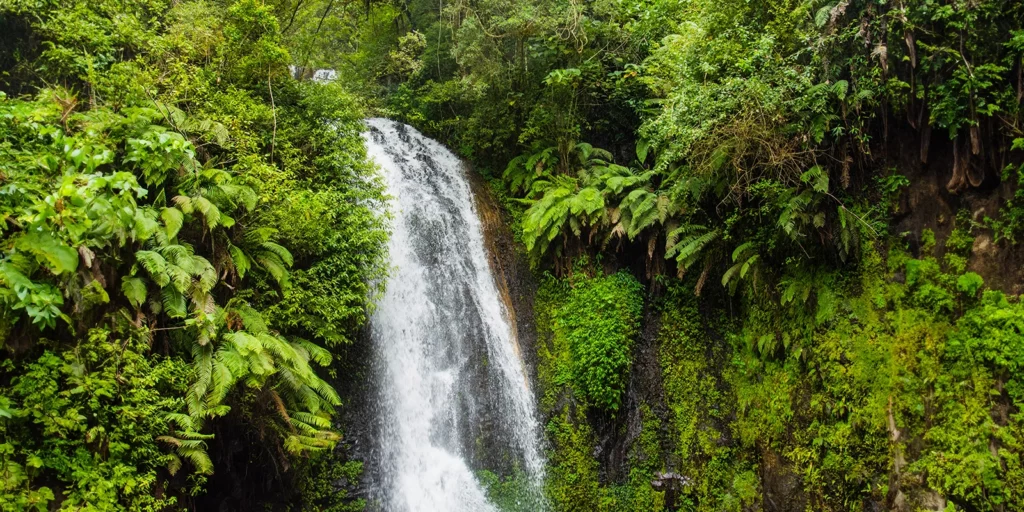
DONATE TO MADAGASIKARA VOAKAJY Verified for authenticity Learn More IMPACT PROMISE Our Partners are carefully selected due to their high conservation impact Partner Snapshot Partner Name Madagasikara Voakajy Location: Bobaomby Complex Protected Area, North Madagascar Appeal Category: Capacity Building and Training Scientific Research Ecosystem Restoration Key Species: Giant baobab tree Crowned lemur Blind Stone Skink Challenges And Threats: Forest fires Deforestation Climate change Actions: Strengthen community capacity to sustainably manage nature Ecological monitoring Restoration of endangered trees The Challenge Bobaomby, the area located between Ambodimadiro going north to Cap d’Ambre, is rich in biodiversity, yet is undergoing a massive forest loss due to land clearing, forest fires, extension of the farmland, and an increase in charcoal production. In 15 years, the loss of forest cover continues to vary, averaging over 700 acres per year. These forests are the habitat of many endangered species which we believe are in major decline. Understanding scientific data such as the ecology of our focal species will allow us to develop appropriate conservation plans. Urgent Solutions In a strenuous effort to preserve the Bobaomby forest, Madagasikara Voakajy is intensifying its protection efforts by already strengthening patrolling efforts with the fund obtained in June 2023. We plan to extend these efforts to strengthen forest protection through local patrols. Investing in scientific research will provide us with data that will help us establish the right management strategy to conserve target species. Why Your Donation Matters The Bobaomby zone is an area with several charcoal permits, but we have identified several charcoal production areas where it is not permitted. Furthermore, Bobaomby has several sacred places with intact forests with high potential for biodiversity wealth. Given that we have obtained authorization from the local leaders to access these places, we would like to continue our conservation actions in these places, secure the necessary funds for biological surveys, and establish sustainable resource management plans. Partner Qualifications IUCN Member Verified Partner Legally Constituted Top Accountability Effective Impact Conservation Action Heroes
Last Stand To Save Imperiled Forest In Madagascar
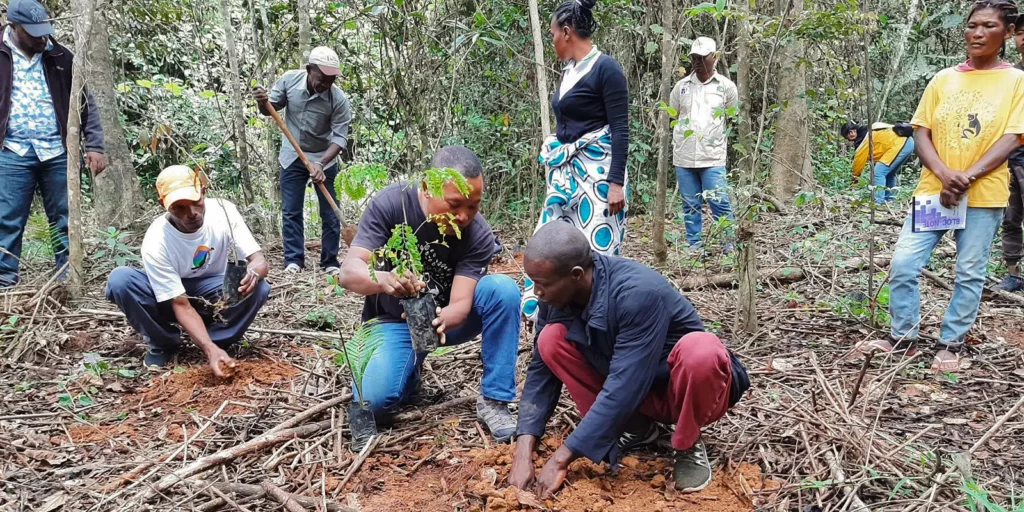
DONATE TO ANTREMA Verified for authenticity Learn More IMPACT PROMISE Our Partners are carefully selected due to their high conservation impact Partner Snapshot Partner Name Antrema Miray Association Location: Antrema Biocultural Site, in Northwest Madagascar Appeal Category: Community Support and Development Ecosystem Restoration Management of Protected Areas Key Species: Crowned sifaka Madagascar fish eagle Madagascar rosewood Challenges And Threats: Forest fires Agricultural expansion Non-local fisherman Actions: Intensify community patrols Construct patrol stations The Challenge The Antrema Biocultural Site is a unique community protected area that was established at the request of local communities to safeguard their rich biodiversity. Of particular importance are the crowned sifakas, which the local people consider to be incarnations of their ancestors. While these remarkable primates have experienced significant population growth over the past two decades (from 500 individuals in 2000 to approximately 800 in 2020), their habitat is increasingly threatened by encroaching savannah fires. These forest fires, often resulting from agricultural practices and climate change, are fragmenting the forest islands that serve as critical habitat for not only the sifakas but also numerous other endemic species. Without rapid intervention to reduce these fires, the long-term survival of this thriving population could be jeopardized despite their current growth trends. Urgent Solutions To protect the scattered forest islands that constitute habitats for many endemic animals and plants, Antrema Miray Association (AMI) has established a mixed multi-actor brigade composed of community members, forest rangers, and local police. This collaborative force works to enforce protection measures and monitor fire threats, especially during the vulnerable dry season when fire risks are highest. AMI needs support to construct strategically located patrol stations throughout the protected area and to train and equip community patrols with the necessary tools to prevent and combat forest fires. These efforts are essential for maintaining the integrity of this biocultural landscape where both biodiversity and cultural heritage are deeply intertwined. Why Your Donation Matters The presence of Antrema Miray Association in the Biocultural Site of Antrema and the Katsepy peninsula is critical for protecting the crowned sifakas and preserving the entire ecosystem within their habitat. Through their work, AMI helps maintain the delicate balance between conservation needs and community development. Donations directly support AMI’s fire prevention efforts, community patrol initiatives, and the construction of crucial monitoring stations. These actions not only protect the growing sifaka population but also help preserve the cultural connection between local communities and these revered primates. By supporting AMI, donors contribute to a sustainable model of conservation where biodiversity protection and community welfare are achieved in harmony, ensuring that both the sifakas and the people who consider them sacred can thrive together for generations to come. Partner Qualifications IUCN Member Verified Partner Legally Constituted Top Accountability Effective Impact Conservation Action Heroes
Save Panama’s Remaining Rainforests
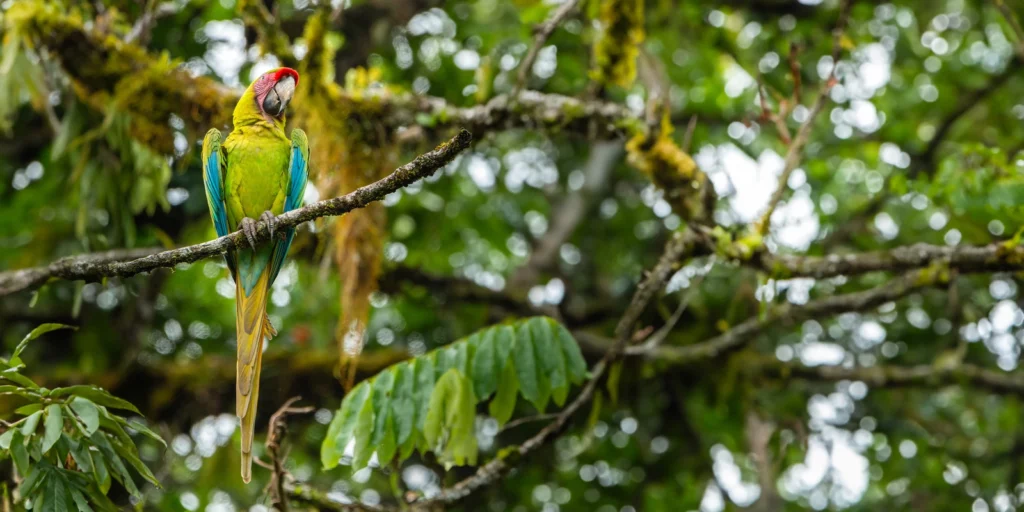
DONATE TO ADOPTA Verified for authenticity Learn More IMPACT PROMISE Our Partners are carefully selected due to their high conservation impact Partner Snapshot Partner Name Adopt a Panama Rainforest Association (ADOPTA) Location: Cerro Chucantí, Panama Appeal Category: Community Support and Development Ecotourism Ecosystem Restoration Endangered Species Government Policy Protected Area Management Wildlife Conservation Key Species: Colombian Spider Monkey Chucantí Centipede Snake Chucantí Salamander Challenges And Threats: Clearance of rainforest for cattle ranching Slash and burn activities Logging Actions: Protected area management Expand ecotourism infrastructure Community education and engagement The Challenge The cloud forests of Cerro Chucantí Reserve in eastern Panama rise to 4,700 feet in elevation and sustain a diverse tropical forest ecosystem. The geographic isolation of the Cerro Chucantí mountaintop reserve has allowed its flora and fauna to diversify considerably, such that it contains a number of locally endemic species found nowhere else on Earth. There have been many discoveries of species new to science at this unique site, including salamanders, frogs and snakes. Unfortunately, the rainforests in Cerro Chucantí are under significant threat from slash and burn activities, logging and cattle ranching. Urgent Solutions ADOPTA will work to strengthen the protection of the reserve through hiring forest guards and working in conjunction with the local government. Patrols will ensure the forest remains intact and poaching is stopped. An important part of the long-term strategy is ensuring local community support, and ADOPTA’s mission includes educating, training and engaging the community in conservation activities. Why Your Donation Matters With support from donors, ADOPTA can ensure the Cerro Chucantí Private Nature Reserve is safeguarded for all wildlife. Furthermore, the recently acquired San Bartolo Private Nature Reserve preserves the last remnants of lowland Pacific rainforest and fosters biodiversity akin to the biodiverse Osa Peninsula. By donating, supporters play a vital role in preserving these unique ecosystems and the remarkable species that inhabit them. Partner Qualifications IUCN Member Verified Partner Legally Constituted Top Accountability Effective Impact Conservation Action Heroes
Urgent Protection Needed In Sierra Nevada De Santa Marta
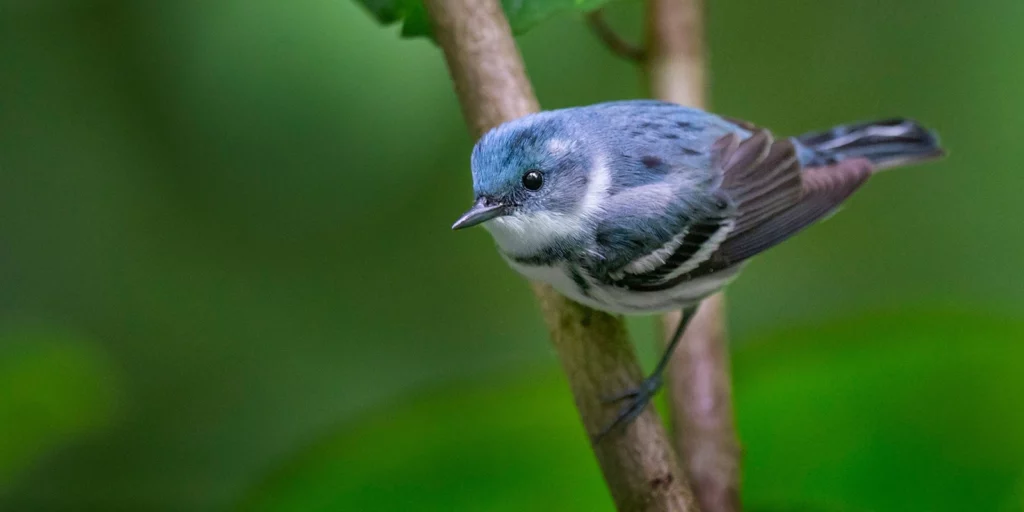
FUNDING GOAL $12,175 DONATE TO PROAVES Verified for authenticity Learn More IMPACT PROMISE Our Partners are carefully selected due to their high conservation impact Partner Snapshot Partner Name Fundación ProAves Location: El Dorado Nature Reserve, Sierra Nevada de Santa Marta, Colombia Appeal Category: Ecosystem Restoration Endangered Species Protected Area Management Reforestation Wildlife Conservation Key Species: Santa Marta Parakeet Santa Marta Toro San Lorenzo Harlequin Frog Challenges And Threats: Illegal Invasions to claim and clear forest Vacation home developments Cattle pasture lands Actions: Reserve rangers Improve Protection Forest restoration The Challenge On Colombia’s Caribbean shores stands the highest coastal mountain on earth. The Sierra Nevada de Santa Marta is a corrugated pyramid of rock that rises almost four miles high. This ancient massif that dates back to the Jurassic period contains a microcosm of the entire planet from deserts to rainforest to glaciers with an extraordinary diversity of plants and animals found nowhere else. It is regarded as the planet’s single most important site for threatened and endemic biodiversity, as it boasts the highest concentration of endemic bird species in the world. As a result, the prestigious journal Science dubbed the area the “Most Irreplaceable Site on Earth” and a major priority for biodiversity conservation. Located on the Sierra Nevada’s most vulnerable northwestern flank—less than ten miles from the city of Santa Marta—is perhaps the world’s most important nature reserve: El Dorado. Established in 2005 by our Colombian partner Fundación ProAves, the reserve protects over 3,200 acres, safeguarding habitat for threatened species such as the Critically Endangered Santa Marta Toro and the Santa Marta Harlequin Frog. However, in recent years land speculation around the reserve has spiraled out of control as the reserves offers surrounding areas with exceptional natural resources such as clean water, cooler climes and spectacular views. Unfortunately this speculation has spurred some unscrupulous individuals to try and illegal invade some parts of the reserve to claim land and then sell it. ProAves is desperate to increase protective measures at this Reserve. Urgent Solutions Following decades of uncontrolled colonization and agricultural expansion, less than 15 percent of the Sierra Nevada de Santa Marta’s original highland forest remains intact. All the more important that the El Dorado Nature Reserve represents one of the last refuges of strict protection for this mecca of endemic biodiversity. Principle threats include illegal invasions of the reserve to claim and clear forest then sell it for vacation home developments. The construction of vacation homes in the cooler climes of the mountain poses a growing danger to the forests and with land prices quadrupling each year, the demand for land is putting immense pressure on the reserve boundaries and what little forest survives outside the reserve. Unfortunately, the area’s many endangered and endemic species are concentrated in these cooler montane forests where threats are greatest. Almost every endemic species in the massif is struggling to survive amidst the continued destruction of their habitat. This appeal will provide critical resources to fund and equip three new Reserve Rangers, establish a new Ranger Station where threats are greatest and establish a communication network for alerts across the reserve to rapidly respond to threats. Why Your Donation Matters With invasions and deforestation placing this biodiversity jewel at tremendous risk, our partner urgently seeks support increase protective measures with additional reserve Rangers, new ranger stations and a communications system for alerts across the reserve. Your help will ensure the reserve continues to be a safe haven for the planet’s most important biodiversity hotspot. Partner Qualifications IUCN Member Verified Partner Legally Constituted Top Accountability Effective Impact Conservation Action Heroes
Madagasikara Voakajy
DONATE TO MADAGASIKARA VOAKAJY Verified for authenticity Learn More IMPACT PROMISE Our Partners are carefully selected due to their high conservation impact Partner Snapshot Partner Madagasikara Voakajy Location Madagascar, Africa Category Capacity Building and Training Ecosystem Restoration Scientific Research Urgent Appeals You Are Our Hope For Madagascar! Date Founded 2005 Website www.madagasikara-voakajy.org Partner Qualifications IUCN Member Verified Partner Legally Constituted Top Accountability Effective Impact Conservation Action Heroes About Madagasikara Voakajy Madagasikara Voakajy is conservation non-profit organization based in Bobaomby, Madagascar, that is dedicated to the conservation of endemic and critically endangered species in Madagascar. Their mission is to preserve Madagascar’s endemic species from extinction in the wild. They recognize that this is impossible to achieve without the involvement of local community members and are thus dedicated to taking a locally-led approach to conservation. Since 2006, Madigasikara Voakajy has carried out research on the Golden mantella frog in eastern Madagascar, leading its conservation strategy. In 2015, a new protected area was created to ensure the frog’s conservation. Five years later, the Golden mantella frog was down-listed from Critically Endangered to Endangered on the IUCN Red List. This is only one of Madigasikara Voakajy’s many recent accomplishments conservation. Between 2009-2012, Madagasikara Voakajy investigated patterns of bushmeat hunting in Madagascar. Their results highlighted the significance of hunting in the decline of lemur populations. Since then, stopping lemur hunting has been a top priority in all of Madagasikara Voakajy’s conservation projects. Since 2014, Madagasikara Voakajy has investigated the biology and ecology of the Critically Endangered Perrier’s baobab, of which only 99 mature individuals are found in the wild. By 2020, they had located an additional 50 mature individuals, produced over 5,000 seedlings, and planted them. They continue to monitor the survival and growth of the planted seedlings. Their Challenges A large part of the forests of Bobaomby have been impacted by loggers due to the expansion of agricultural land, despite the fact that these forests are home to many endemic flora and fauna. The lack of funding to implement conservation tactics for the forests and wildlife species constitutes a major challenge in this area. Their Approach Local communities are at the heart of Madagasikara Voakajy’s conservation approach. Their main objectives for 2024-2028 are: Research: Better understand the biology and ecology of target species, how they interact with humans, and their conservation status Governance: Establish local structures capable of effectively managing the conservation of target species and their habitats Valorisation: Identify and promote wildlife-based economic models that can generate essential benefits for local communities while simultaneously encouraging them to reduce pressures on species of concern and their natural habitats, ultimately resulting in increased conservation success Restoration: Restore degraded habitats of target species in the wild Madagasikara Voakajy uses the results of scientific studies to guide their conservation efforts. With donor support in 2023, they planted 6,000 trees over 10 acres alongside local villagers. They also created an agreement with the community to plant baobabs, an indigenous tree of great cultural significance that is also vital for Madagascar’s wildlife. Why They Need Your Help Madagasikara Voakajy is looking for support to continue their forest restoration work and to strengthen and train their staff and community members on the sustainable management of natural resources. They are also working to advance scientific research on the key species existing of Bobaomby in order to improve their conservation strategies. All of their conservation activities are reliant upon donations to continue.