
Save Colombia’s Chocó Rainforest

DONATE TO PROAVES Verified for authenticity Learn More IMPACT PROMISE Our Partners are carefully selected due to their high conservation impact Partner Snapshot Partner Name Fundación ProAves Location: Las Tángaras Nature Reserve, Chocó, Northwest Colombia Appeal Category: Ecosystem Restoration Endangered Species Protected Area Management Reforestation Wildlife Conservation Key Species: Gold-ringed tanager Black-and-gold tanager Baudo guan Colombian black spider monkey Harlequin poison frog Challenges And Threats: Critical 242-acre property at risk of deforestation Habitat fragmentation threatening endangered species Agricultural expansion pressures, including pasture and abattoir development Actions: Secure the property to expand Las Tángaras Reserve. Maintain forest corridors for wildlife connectivity. Protect cloud forest ecosystems and biodiversity. The Challenge Colombia’s Chocó bioregion, one of the wettest and most biodiverse places on Earth, is vanishing at an alarming rate. More than 70% of its rainforest has already been lost, leaving only scattered remnants capable of supporting its astonishing wildlife. At the heart of this landscape lies the 9,960-acre Las Tángaras Reserve, one of the last intact strongholds for species found nowhere else. Its cloud forests shelter critically threatened wildlife, including the Gold-ringed tanager and the Colombian black spider monkey. But this refuge is now in immediate danger. A 242-acre property located inside the reserve boundary is scheduled for sale before year-end. If ProAves cannot secure it in time, it will be converted to cattle pasture and an abattoir triggering deforestation that would fragment the reserve, destroy habitat, and jeopardize the survival of its endangered species. This is one of the last unprotected properties directly bordering Las Tángaras Reserve. Losing it would break the forest corridor and tear apart the ecological continuity the entire ecosystem depends on. Urgent Solutions ProAves urgently seeks to purchase the 242-acre property to secure it forever. Your support will: Protect a rainforest and Cloud forest twice the size of Vatican City, sheltering ~68,600 mature trees. Prevent the release of 90,000 metric tons of stored CO₂ equivalent to the electricity use of 1,200 homes for a decade. Complete a unified 9,960-acre conservation corridor, strengthening habitat connectivity for threatened birds, mammals, and amphibians. Safeguard cloud forest headwaters that feed the Atrato River, a lifeline for Afro-Colombian communities downstream. Permanently protect one of Colombia’s most endangered biodiversity corridors at a critical moment. Why Your Donation Matters If this property is not secured before the end of the year, forest clearing will begin and the damage will be irreversible. This is a one-time opportunity to save a vital tract of rainforest that stabilizes climate, protects water systems, and shelters species found nowhere else on Earth. And right now, every donation is doubled, protecting twice as much rainforest when it matters most. Your Impact (Matched 1:1):$100 — Protects 9,720 sq. ft. of rainforest$250 — Protects 24,280 sq. ft. of rainforest$1,000 — Protects 97,200 sq. ft. of rainforest Every gift in your name helps secure irreplaceable habitat and keeps the Chocó’s extraordinary wildlife alive, forever. Partner Qualifications IUCN Member Verified Partner Legally Constituted Top Accountability Effective Impact Conservation Action Heroes
GreenViet Biodiversity Conservation Centre

DONATE TO GREENVIET Verified for authenticity Learn More IMPACT PROMISE Our Partners are carefully selected due to their high conservation impact Partner Snapshot Partner GreenViet Biodiversity Conservation Centre Location Danang City, Vietnam Category Community Support & Development Protected Area Management Ecosystem Restoration Endangered Species Urgent Appeals Coming soon Date Founded 2012 Website www.greenviet.org Partner Qualifications IUCN Member Verified Partner Legally Constituted Effective Impact About GreenViet Biodiversity Conservation Centre GreenViet Biodiversity Conservation Centre was founded in 2012 to protect ecosystems and endangered species of flora and fauna throughout Vietnam. The organization employs an Asset Based Community Development (ABCD) approach, which identifies and mobilizes the internal strengths of local communities to build effective conservation teams. By empowering communities to become active stewards of their natural resources, GreenViet creates sustainable, locally-driven conservation solutions that benefit both wildlife and people. Their Challenges Wildlife conservation in Vietnam faces critical threats to biodiversity. Habitat loss and fragmentation, driven by deforestation, agricultural expansion, hydropower projects, and rapid urbanization, reduce the size and quality of natural habitats, isolating wildlife populations and increasing extinction risk. Vietnam also serves as both a source and transit country in the illegal wildlife trade, with species such as pangolins, primates, and turtles heavily exploited for food, traditional medicine, and the pet trade. Despite stronger laws and international commitments, enforcement remains weak and demand persists. Additionally, many protected areas struggle with insufficient funding, staff, and equipment, while local communities dependent on forest resources face conflicts between conservation goals and livelihood needs. Their Approach GreenViet employs an integrated approach that strengthens both ecosystems and communities in Central Vietnam, where many rare and threatened species survive. The organization supports protected areas by enhancing forest ranger capacity through training, equipment provision, and technical support. Regular wildlife monitoring tracks population trends and threats—including hunting, logging, and habitat loss—to guide protection strategies. Crucially, GreenViet empowers local communities by recruiting and supporting village volunteers as community forest guards. These grassroots partnerships build local stewardship and create a frontline defense for endangered species, fostering a more sustainable and resilient future for both people and nature. Why They Need Your Help Conservation funds enable GreenViet to strengthen protected areas and local communities in Central Vietnam. Resources support training for local rangers in SMART patrol methods, which significantly improve forest protection effectiveness. The organization provides essential equipment including mobile phones, computers, and uniforms to ensure rangers can work safely and efficiently, while ranger awards recognize and motivate their dedication. Funds also support community volunteers who patrol their forests, fostering shared ownership in conservation efforts. Additionally, GreenViet monitors populations of endangered species such as the Grey-shanked douc langur and gibbons, using this data to target resources where they are most needed and ensure effective protection strategies for future generations.
Save 1,000 Giant Trees in the Western Ghats

DONATE TO AERF Verified for authenticity Learn More IMPACT PROMISE Our Partners are carefully selected due to their high conservation impact Partner Snapshot Partner Name Applied Environmental Research Foundation (AERF) Location: Western Ghats, India Appeal Category: Community Support & Development Ecosystem Restoration Reforestation Challenges And Threats: Widespread deforestation and habitat fragmentation Degraded forest patches leading to biodiversity loss and soil erosion Climate stress and invasive species affecting tree survival Actions: Planting and enrichment of giant native trees in degraded areas Restoring connectivity between fragmented forest patches Community training and engagement for long-term forest stewardship The Challenge The Western Ghats, a UNESCO World Heritage Site, are home to rich biodiversity and vital forest ecosystems. Many areas in this landscape have suffered extensive degradation due to deforestation, habitat fragmentation, and climate stress. Giant native trees, which are critical for maintaining forest structure, supporting wildlife, and regulating water and soil, are disappearing at an alarming rate. This loss of canopy trees not only threatens countless plant and animal species but also undermines the livelihoods of local communities who rely on the forests for clean water, food, and sustainable income. Without immediate restoration, degraded forests will continue to deteriorate, leading to further habitat loss, increased soil erosion, and diminished ecosystem resilience. Urgent Solutions To address these urgent threats, AERF is implementing a holistic restoration strategy focused on ecological and community resilience: Native Tree Planting & Enrichment: Planting and nurturing giant native tree species in degraded forest patches to restore canopy cover and structural diversity. Forest Connectivity: Reconnecting fragmented forests to enable wildlife movement, improve ecological processes, and maintain biodiversity. Community Engagement & Capacity Building: Training local villagers in tree propagation, planting, and long-term forest monitoring, fostering stewardship and sustainable livelihoods. These actions aim to restore forest health while ensuring that communities are active partners in conserving and benefiting from these landscapes. Why Your Donation Matters Your support will directly contribute to protecting over 1,000 giant native trees, restoring ecological balance, and reviving critical forest corridors. Donations empower local communities to manage and care for forests sustainably, ensuring the benefits of restoration last for generations. With your help, AERF can strengthen both natural and human resilience—enhancing biodiversity, stabilizing soils, improving water retention, and creating opportunities for local livelihoods. Every contribution advances a model of forest restoration that combines conservation success with community well-being, ensuring the Western Ghats’ giant trees stand well into the future. Partner Qualifications IUCN Member Legally Constituted Effective Impact
Asociación Ecológica de San Marcos de Ocotepeque (AESMO)

DONATE TO AESMO Verified for authenticity Learn More IMPACT PROMISE Our Partners are carefully selected due to their high conservation impact Partner Snapshot Partner Asociación Ecológica de San Marcos de Ocotepeque (AESMO) Location San Marcos, Ocotepeque, Honduras Category Capacity Building and Training Ecosystem Restoration Land Purchases Urgent Appeals Coming soon Date Founded 1990 Website aesmo.org Partner Qualifications IUCN Member Verified Partner Legally Constituted Effective Impact About Asociación Ecológica de San Marcos de Ocotepeque (AESMO) Founded by citizens of San Marcos, Ocotepeque, Honduras, Asociación Ecológica de San Marcos de Ocotepeque (AESMO) began as a grassroots effort to address local environmental challenges. Since 1997, AESMO has expanded its efforts to multiple municipalities in the departments of Ocotepeque and Lempira. AESMO operates throughout the Trifinio-Occidente Region of Honduras, working across seven municipalities in Ocotepeque and three in Lempira. Their conservation initiatives span critical ecosystems including the Güisayote and Pacayita Volcano Biological Reserves and several key watersheds such as Río Hondo, El Espinal, Cerro Negro, Nueve Pozas, Higuito, Sumpul, and Mocal. These areas feed into both the Ulúa Basin (draining into the Caribbean Sea) and the Lempa Basin (draining into the Pacific Ocean), benefiting communities in both Honduras and El Salvador. A hallmark of AESMO’s approach is its Shared Governance Model, a pioneering framework that brings together civil society, local governments, cooperatives, private enterprise, academia, and international partners. Through this model, AESMO coordinates joint land purchases to ensure sustainable management of water, biodiversity, and soil—while also improving food security and quality of life for local families. Their Challenges The Trifinio region faces escalating environmental degradation driven by unplanned urbanization and agricultural expansion. These pressures are rapidly eroding forest cover, contaminating soils and water sources, and placing entire ecosystems—and the people who depend on them—at risk. With more than 250,000 people across Honduras and El Salvador reliant on these ecosystems for clean drinking water and agriculture, the situation is urgent. The AESMO Shared Governance Model, proven effective for over two decades, offers a participatory, nature-based solution to safeguard these critical landscapes. However, the worsening impacts of climate change demand that the model be expanded to additional micro-watersheds and protected areas at both national and binational levels. Their Approach AESMO’s Shared Governance Model brings together diverse stakeholders—local communities, governments, NGOs, private entities, and more—to co-manage and conserve natural resources. Recognizing that environmental and socioeconomic challenges are complex and interconnected, AESMO fosters inclusive, equitable solutions that empower local communities with scientific knowledge and decision-making tools. This democratic, participatory approach is deeply rooted in community empowerment. By aligning local priorities with sustainable development goals, AESMO supports lasting conservation outcomes while improving livelihoods. Their use of the Kaizen approach—a philosophy of continuous, incremental improvement—helps communities reduce dependence on external aid, strengthen self-sufficiency, and build resilience through nature-based action. Why They Need Your Help The cloud forests of the Trifinio region are rapidly vanishing. These forests are not only home to endangered wildlife, but also serve as essential water sources for over 250,000 people. Decades of deforestation have left only small fragments of healthy forest intact—and unless urgent action is taken, even these will be lost. Your support will help AESMO: Acquire and protect remaining forest land in collaboration with local communities Employ five forest rangers to ensure continued protection and stewardship Safeguard water sources for thousands of families across Honduras and El Salvador Empower Lenca and Maya Chortí Indigenous communities through participation in co-management councils Every donation helps preserve this critical region and protect it for future generations.
Belantara Foundation

DONATE TO BELANTARA Verified for authenticity Learn More IMPACT PROMISE Our Partners are carefully selected due to their high conservation impact Partner Snapshot Partner Belantara Foundation Location Sumatra and Kalimantan, Indonesia Category Community Support and Development Capacity Building and Training Ecosystem Restoration Education Endangered Species Scientific Research Wildlife Conservation Urgent Appeals Achieving Coexistence Between Communities and Wild Elephants Date Founded 2014 Website belantara.or.id Partner Qualifications Verified Partner Legally Constituted About Belantara Foundation Belantara Foundation is an independent nonprofit organization based in Indonesia that plays a pivotal role in environmental conservation, forest and peatland restoration, wildlife protection, and sustainable community development, particularly across the biodiverse regions of Sumatra and Kalimantan. Their mission is to support sustainable landscape management that strikes a balance between long-term economic development, environmental protection, and improved local livelihoods. Belantara collaborates with government bodies, NGOs, private companies, academia, and local communities to implement impactful, science-driven programs. In 2024, the foundation became a Member of the International Union for Conservation of Nature (IUCN). Their Challenges Indonesia is home to some of the world’s most ecologically valuable forests—but these ecosystems are under immense threat. Rapid deforestation driven by agricultural expansion (especially oil palm), mining, and infrastructure development has caused large-scale habitat loss and fragmentation. Flagship species like the Sumatran tiger, orangutan, and elephant are at risk, alongside countless other native species. Illegal logging and wildlife trade exacerbate the crisis, while peatland fires contribute to biodiversity loss and carbon emissions. Human-wildlife conflict is also on the rise, as forest loss pushes animals into human settlements. Many of these issues are compounded by limited funding, weak enforcement of environmental laws, exclusion of local communities from decision-making, and the influence of political and economic interests. Climate change adds another layer of complexity, threatening to disrupt already fragile ecosystems. Their Approach Belantara Foundation addresses these challenges through innovative, multi-stakeholder initiatives that integrate conservation and community empowerment. Key programs include: Forest Restoration Project: SDGs Together!This project restores degraded forests by planting endangered and multipurpose native tree species. Since its launch in 2020, it has reforested 94 hectares within the UNESCO Biosphere Reserve of Giam Siak Kecil–Bukit Batu through collaboration with governments, NGOs, local communities, academics, and private stakeholders. Living in HarmonyFocused on five villages in Padang Sugihan, South Sumatra, this initiative aims to reduce human-elephant conflict through the planting of elephant feed crops, establishing salt licks, guiding elephants through ecological corridors, and preventing incursions into residential areas—improving outcomes for both people and wildlife. Sumatra Peatland RestorationIn partnership with Forest Farmers Groups in Jambi Province, this project restores 93 hectares of degraded peatland using tree seedlings that offer both ecological restoration and future economic benefits to the community. Sustainable Village Forest ManagementThis program supports local communities in Riau Province to sustainably manage production forests under social forestry schemes, improving livelihoods while protecting the integrity of natural forest ecosystems. Belantara Learning SeriesA national knowledge-sharing platform offering capacity-building opportunities for university students, conservationists, researchers, government officials, journalists, and the public. In 2024 alone, over 3,000 participants across 38 provinces engaged in sessions on topics such as social forestry, biodiversity, and ecotourism. Muda Mudi Konservasi (Youth for Conservation)This youth engagement initiative connects young Indonesians with biodiversity issues through creative competitions, educational campaigns, talk shows, and events featuring conservation experts and public figures. Why They Need Your Help Belantara Foundation’s core operations are currently funded through annual private sector donations in Indonesia. However, donations received through Conservation Allies go directly to supporting the foundation’s fieldwork and community-based conservation initiatives. Your support helps: Purchase native plant seedlings for forest and peatland restoration Procure equipment for mitigating human-wildlife conflict Fund capacity-building activities for local communities Support community-led programs that promote sustainable, nature-based livelihoods These contributions directly benefit ecosystems, wildlife, and the communities who call these landscapes home.
Te Ipukarea Society

DONATE TO TIS Verified for authenticity Learn More IMPACT PROMISE Our Partners are carefully selected due to their high conservation impact Partner Snapshot Partner Te Ipukarea Society Location Rarotonga, Cook Islands Category Education Ecosystem Restoration Endangered Species Scientific Research Wildlife Conservation Urgent Appeals Save Suwarrow’s Sparrows Date Founded 1996 Website tiscookislands.org Partner Qualifications IUCN Member Verified Partner Legally Constituted Effective Impact About Te Ipukarea Society Te Ipukarea Society (TIS) is an environmental nonprofit based in the Cook Islands, registered as an Incorporated Society since June 12, 1996. The organization was founded to care for te ipukarea—“our heritage”—and is dedicated to fostering a sustainable, healthy, biodiverse, and beautiful environment in the Cook Islands. TIS is a membership-based organization composed of individuals who believe in the importance of protecting the natural world. They are also members of the International Union for Conservation of Nature (IUCN) and BirdLife International. Their Challenges The Cook Islands face numerous threats to both terrestrial and marine ecosystems. On land, the introduction and spread of invasive species—such as non-native weeds and predators like rats—are degrading ecosystems and endangering native and endemic species, particularly birds. Marine ecosystems are under pressure from overfishing, particularly through commercial techniques like purse seine fishing. Climate change and ocean pollution also pose significant threats. Additionally, emerging risks such as deep sea mining threaten to disrupt the marine food web, harm migratory species through noise pollution, and spread toxic sediment through seafloor disturbances. Efforts to reverse these trends since the 1980s have been largely unsuccessful. The country’s first protected area was created on the island of Moheli in 2001, and subsequent efforts led to the creation of terrestrial and marine protected areas on each island in 2020. However, laws relating to these protected areas and environmentally destructive practices lack support and application at the local level. Despite their reliance on natural resources, farmers and fishers – particularly women – are often excluded from access to resources, services, and decision-making, preventing them from playing an active role in conserving their ecosystems. A lack of social cohesion and respected leadership at this level also stymies collective community-based conservation action. Their Approach Te Ipukarea Society advances its mission to build an environmentally resilient, sustainably developed, and biodiverse Cook Islands through action, advocacy, and education—often integrating traditional knowledge and practices. Their advocacy includes producing informative video documentaries, publishing articles in local newspapers, and leading public education efforts on critical environmental issues. TIS works closely with schools and youth to deliver nature-based educational programs and inspire future conservation leaders. They also mobilize communities to advocate for environmental protection through organized protests, petitions, and community engagement. Why They Need Your Help Donations directly support Te Ipukarea Society’s wide-ranging conservation initiatives, including: Invasive species eradication to protect native seabird populations Habitat restoration and waste management awareness programs Public education and advocacy around the environmental risks of deep sea mining STEM-focused biodiversity monitoring programs for local youth Your support helps ensure that balanced, science-based information reaches the community and empowers local people—especially young leaders—to become stewards of the natural world.
Protect Green Spaces and Urban Wildlife

DONATE TO MALAYSIAN NATURE SOCIETY Verified for authenticity Learn More IMPACT PROMISE Our Partners are carefully selected due to their high conservation impact Partner Snapshot Partner Name Malaysian Nature Society Location: Kuala Lumpur, Malaysia Appeal Category: Community Support & Development Ecosystem Restoration Reforestation Key Species: Sunda pangolin Sunda slow loris White-thighed surili Challenges And Threats: Habitat fragmentation Climate Change Inadequate Legal Protections of Nature Actions: Reforestation of Green Spaces with Local Communities Native Tree Nursery Management by Indigenous People Advocacy for Policy Reformation to Safeguard the Environment The Challenge Kuala Lumpur, located in Malaysia’s Klang Valley, has witnessed decades of urban expansion, driving economic growth at the cost of its ecosystems. Natural habitats have been fragmented, isolating wildlife populations like the Sunda Pangolin and Sunda Slow Loris, which face inbreeding risks due to limited mobility. Birds struggle to navigate fragmented green spaces, while aquatic species suffer from polluted waterways caused by industrial and residential runoff. Climate change compounds these issues, with rising temperatures, erratic weather, and longer droughts punctuated by severe storms and flooding. Vulnerable communities, including Indigenous Peoples and marginalized groups, are disproportionately affected but lack the resources to adapt. Efforts to conserve green spaces face legislative barriers, as conflicting property rights and environmental regulations hinder grassroots initiatives. Striking a balance between individual property rights and the need for sustainable, accessible green spaces has become increasingly difficult. Without action, these ecosystems—and the benefits they provide to the community—are at risk of vanishing. Urgent Solutions The Malaysian Nature Society (MNS) is addressing these challenges through the Rantaian Urban Green Spaces (RUGS) initiative. This project collaborates with NGOs, government bodies, academic institutions, and Indigenous communities to restore degraded areas with native vegetation and connect green spaces. MNS emphasizes capacity-building workshops, awareness campaigns, and policy advocacy to strengthen legal protections for urban green spaces. These efforts aim to ensure walkability, sustainability, and inclusive participation across society, transforming Klang Valley into a livable, sustainable city. A key success has been engaging the Indigenous People of Kampung Orang Asli Sungai Buloh. By partnering with this community, MNS is supporting the establishment of an Indigenous-run nursery for native plants, blending traditional knowledge with conservation practices to steward urban green spaces sustainably. Why Your Donation Matters The challenges of deforestation, climate change, and legal barriers threaten Klang Valley’s ecosystems. Your donation will help MNS to implement sustainable solutions: Reforestation with Local Communities MNS is working with local communities to restore habitats and create green corridors that support wildlife, promote recreation, and mitigate climate change. Indigenous-Led Native Tree Nurseries Supporting Indigenous communities to manage tree nurseries ensures the sustainability of reforestation efforts and strengthens local economies. Policy Advocacy for Green Space Protection Your contribution will empower MNS to advocate for stronger environmental laws and constitutional amendments, safeguarding green spaces from unsustainable development. Together, we can protect and restore Klang Valley’s green spaces for future generations. Partner Qualifications IUCN Member Verified Partner Legally Constituted Top Accountability Effective Impact Conservation Action Heroes
Save Mauritius’ Chamarel Forest
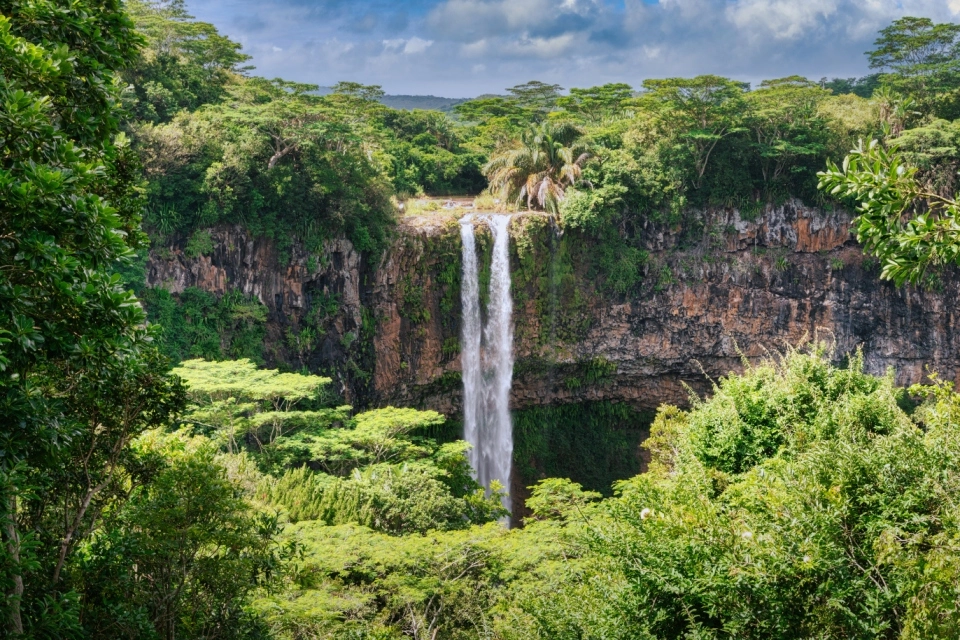
DONATE TO MWF Verified for authenticity Learn More IMPACT PROMISE Our Partners are carefully selected due to their high conservation impact Partner Snapshot Partner Name Mauritian Wildlife Foundation Location: Mauritius Appeal Category: Land Purchase Endangered Species Ecosystem Restoration Key Species: Mauritius kestrel Pink pigeon Echo parakeet Challenges And Threats: Deforestation Loss of Habitat Threatened Species Actions: Reverse the Deforestation Process Restore Suitable Habitat for Threatened Species Protect Rare Plants The Challenge The Black River Gorges National Park is one of Africa’s most critical forests, hosting a remarkable number of endemic and endangered species. This UNESCO Man and Biosphere Reserve is home to the last remaining endemic birds of Mauritius, most of which rely heavily on this park for survival. Among its treasures is the Chamarel forest, praised by experts as the best tract of lowland and transitional rainforest in Mauritius, with exceptional biodiversity and natural regeneration under a nearly intact native canopy. However, Chamarel faces severe threats. With expanding transport infrastructure, the risk of deforestation and development looms over its privately owned areas. Securing 111 acres of this forest is vital for protecting its rich biodiversity. By establishing a conservation presence, the Mauritian Wildlife Foundation (MWF) hopes to inspire other landowners to support conservation efforts. Positioned alongside a major road connecting the national park to Chamarel village, this area also offers unique opportunities for ecotourism, education, and community engagement, bringing conservation closer to both locals and tourists. Urgent Solutions Your support can save 111 acres of the Chamarel forest, a sanctuary for Mauritius’ endangered species and plants. Every $13,000 permanently saves one acre, ensuring this land is protected from development and preserved for future generations. With your help, this project will: Restore Habitats: Rehabilitate degraded areas, remove invasive species, and improve ecosystems for birds, reptiles, and other wildlife. Protect Wildlife: Stabilize and grow populations of Mauritius’ endemic and endangered species. Engage Communities: Empower locals through education and conservation projects while fostering sustainable livelihoods. Promote Ecotourism: Create self-sustaining conservation efforts through eco-friendly tourism and green job opportunities. Why Your Donation Matters Together, we can secure this forest, protect its incredible biodiversity, and create a lasting legacy for both nature and the local community. Your donations will help create and maintain community-conserved areas spanning 1.58 million acres, safeguarding critical habitats and establishing ecological corridors to prevent inbreeding and extinction of endangered species like great apes and elephants. By supporting economic development, these funds will provide alternative livelihoods for impoverished communities, reducing their dependence on forest and wildlife resources. Education and training programs for local stakeholders will encourage sustainable practices and create opportunities beyond resource depletion. In addition, research and biomonitoring initiatives will help combat poaching and habitat destruction. Your contributions are vital in implementing long-term solutions to the current conservation challenges, ensuring a sustainable future for both wildlife and local communities. Partner Qualifications IUCN Member Verified Partner Legally Constituted Top Accountability Effective Impact Conservation Action Heroes
Mauritian Wildlife Foundation
DONATE TO MWF Verified for authenticity Learn More IMPACT PROMISE Our Partners are carefully selected due to their high conservation impact Partner Snapshot Partner Mauritian Wildlife Foundation (MWF) Location Vacoas, Mauritius Category Endangered Species Land Protection Ecosystem Restoration Urgent Appeals Save Mauritius’ Chamarel Forest Date Founded 1984 Website mauritian-wildlife.org Partner Qualifications IUCN Member Verified Partner Legally Constituted Effective Impact Mauritian Wildlife Foundation The Mauritian Wildlife Foundation (MWF) is dedicated to conserving the island’s unique biodiversity through over 20 active programs across Mauritius and Rodrigues. With a focus on species and ecosystem recovery, MWF manages critical conservation efforts such as the restoration of endangered bird populations like the Mauritius Kestrel, Pink Pigeon, and Echo Parakeet, and expanding the range of native reptiles through translocations. The foundation also works on restoring natural habitats, using an ecosystem recovery approach to improve conditions for endemic species. In addition to its fieldwork, MWF runs educational programs in Mauritius and Rodrigues, including community engagement and eco-tourism initiatives. The foundation partners with local and international organizations, researchers, and environmentalists to drive informed, collaborative conservation efforts and ensure the long-term sustainability of Mauritius’s fragile ecosystems. Their Challenges Mauritius and Rodrigues face significant ecological challenges despite their unique biodiversity. With 57% of plant species threatened, they rank third globally for the highest percentage of threatened flora. Habitat loss and the introduction of invasive species have been major contributors to the decline of native species since the island’s colonization. Over 100 species have already gone extinct, including the Dodo, a symbol of human-induced extinction. Currently, deforestation remains a primary concern, driven by agricultural expansion, logging, and urban development, resulting in the loss of vital habitats. Invasive species continue to threaten native plants and wildlife, with efforts to address their impact being slow and costly. Soil degradation, exacerbated by monoculture farming and chemical use, also hinders recovery. Furthermore, climate change intensifies these challenges, with rising temperatures, extreme weather events, and altered rainfall patterns jeopardizing the future of the islands’ ecosystems. Their Approach To address ecological challenges, the Mauritian Wildlife Foundation runs field conservation programs, promotes sustainable practices, and engages communities through education and outreach. Their Conservation Biologists protect endemic bird species through predator control, captive breeding, and habitat restoration. We also focus on propagating endangered plants and carry out species translocations and ecosystem reconstruction. Through workshops and training, we educate individuals and organizations on conservation, covering topics like invasive species, human-wildlife conflict, and sustainable land use. Our outreach includes community clean-ups, tree planting, and sustainability events, raising awareness and fostering involvement. We also use social media to share success stories and partner with schools, businesses, and government agencies to amplify our impact and encourage collective action for sustainability. Why They Need Your Help By contributing, you’re helping to create a sustainable future where natural habitats thrive, wildlife is protected, and communities actively engage in conservation. Every dollar makes a lasting impact on biodiversity in Mauritius and Rodrigues. 1. Habitat Restoration: Funds support reforestation and landscape rehabilitation, restoring habitats for wildlife and improving ecosystem health. 2. Wildlife Protection: Donations enable wildlife monitoring, providing essential tools, training, and support for field biologists to protect endangered species. 3. Community Engagement: Contributions empower local communities through education, conservation projects, and sustainable development initiatives that benefit both people and the environment. 4. Research and Advocacy: Donations fund vital research and advocacy efforts to shape policies and develop effective conservation strategies. Your support is essential in advancing our conservation work and safeguarding vital ecosystems.
Malaysian Nature Society
DONATE TO MNS Verified for authenticity Learn More IMPACT PROMISE Our Partners are carefully selected due to their high conservation impact Partner Snapshot Partner Malaysian Nature Society (MNS) Location Kuala Lumpur, Malaysia Category Ecosystem Restoration Education Scientific Research Wildlife Conservation Urgent Appeals Protect Green Spaces and Urban Wildlife Date Founded 1940 Website mns.my Partner Qualifications IUCN Member Legally Constituted Effective Impact Malaysian Nature Society The Malaysian Nature Society (MNS) works to protect Malaysia’s biodiversity through conservation projects, habitat restoration, and wildlife monitoring. It manages nature parks, organizes tree-planting initiatives, and advocates for the protection of endangered species and critical ecosystems. MNS also engages communities through environmental education programs, publishes the Malayan Nature Journal, and collaborates with government agencies and local groups to promote sustainable practices and safeguard the country’s natural heritage. Their Challenges Malaysia’s natural environment faces significant challenges, including widespread deforestation, habitat fragmentation, and encroachment from human activities. These pressures are intensified by climate change, weak environmental governance, and uncoordinated national planning. Remaining forested areas, often located in interior regions, are under constant threat from plantations, mining, infrastructure projects, and hydroelectric developments, leading to carbon emissions, biodiversity loss, and human-wildlife conflict. Indigenous and local communities living in these regions face marginalization and economic struggles, with their voices often excluded from decisions about land development. State governments, seeking additional revenue, frequently prioritize low-cost economic activities like logging and plantation expansion, putting biodiversity-rich forests at risk. Development priorities are further driven by state and district planning documents, which are updated infrequently and often allocate new areas for exploitation. At the federal level, Malaysia faces the complex task of balancing economic development with its commitments to global environmental agreements, such as the Convention on Biological Diversity. While initiatives exist to address these issues, they are often fragmented, lacking the coordination and comprehensive approach needed to ensure sustainable outcomes. Their Approach The Malaysian Nature Society focuses on conserving Malaysia’s biodiversity and restoring ecosystems to ensure long-term environmental health and sustainability. It promotes public awareness through the operation of nature parks like the Kuala Selangor Nature Park and the Kertih ecoCare Environmental Education Centre. These parks serve as hubs for environmental education, offering programs for students of all ages and opportunities for tree-planting activities as part of corporate and community initiatives. Visitors gain a deeper understanding of the interconnectedness of ecosystems and the importance of conservation. MNS undertakes species-focused and landscape-level conservation projects, advocates for improved environmental governance, and publishes the Malayan Nature Journal. These efforts involve extensive fieldwork, research, community engagement, and collaborations with key stakeholders to drive impactful outcomes. To address climate change, MNS prioritizes reforestation, partnering with government agencies, local communities, and Indigenous Peoples to plant thousands of trees across degraded landscapes. These efforts restore critical habitats, mitigate climate impacts, and provide sustainable livelihood opportunities for local and Indigenous communities. Why They Need Your Help MNS relies on donations to sustain its critical conservation work across Malaysia, including monitoring and protecting sensitive habitats in Sabah, Sarawak, and Peninsular Malaysia. Funds support field research, policy advocacy, community collaborations, and digital outreach through platforms like the Malayan Nature Journal and the Rantaian Urban Green Spaces project. Contributions also help train staff, develop eco-tourism initiatives like Merapoh Cave exploration, and maintain long-term conservation efforts to safeguard Malaysia’s precious ecosystems. Your support enables MNS to continue championing nature conservation and protecting vital habitats from escalating threats.