
Protecting Madagascar’s Remaining Dry Forests: Save Kasijy Special Reserve!

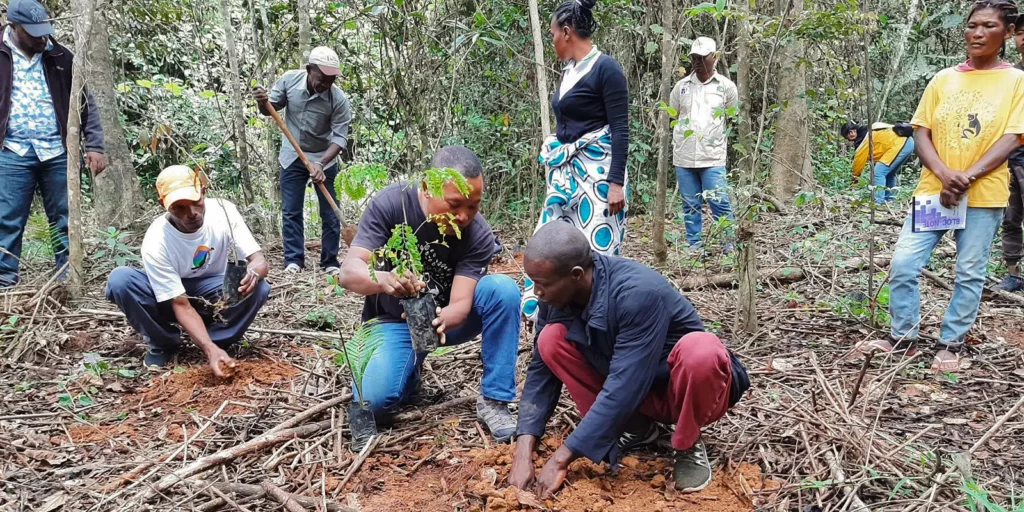
DONATE TO IMPACT MADAGASCAR Verified for authenticity Learn More IMPACT PROMISE Our Partners are carefully selected due to their high conservation impact Partner Snapshot Partner Name IMPACT Madagascar Location: Kajisy Special Reserve, located between the Betsiboka and Boeny regions of north-western Madagascar. Classified as a Key Biodiveresity Area (KBA), this threatened forest ecosystem is home to a number of endangered and vulnerable species. In addition, Kajisy is home to 67 species of birds, 4 additional species of lemurs, over 20 reptile species and 5 amphibians. Appeal Category: Community Support and Development Ecosystem Restoration Wildlife Conservation Key Species: ● Crowned sifaka (Propithecus coronatus), CR● Decken’s sifaka (Proputhecus deckenii), CR● Fork-marked lemurs (Phaner furcifer), EN● Fossa (Cryptoprocta ferox), VU Challenges And Threats: Bushfires Logging and agricultural encroachment Hunting Actions: Improve agricultural techniques Increase patrols Reinforce forest restoration program The Challenge Across Madagascar, Kajisy and other forest fragments like it face mounting pressure from deforestation, slash-and-burn agriculture, illegal logging, and recurrent fires. Rapid population growth near protected areas, coupled with lack of stable income, has intensified demand for land and natural resources, threatening habitats that sustain both people and wildlife. Many local people remain unaware of the long-term value of conserving the reserve’s biodiversity and ecosystem services. As a result, unsustainable practices persist, leading to overexploitation of natural resources and the imminent loss of unique flora and fauna. Immediate conservation actions are urgently required to protect this remarkable site, safeguarding its wildlife while supporting and improving the living conditions of local communities to develop more sustainable and resilient livelihoods. Urgent Appeal Kasijy Special Reserve is important for biodiversity as it is one of the rare remaining dry galery forests. Urgent actions are required, including: ● Preventing and controlling bushfires through community patrols and forest restoration efforts● Strengthening ecological monitoring in close collaboration with local communities to better understand and manage changes in biodiversity● Reinforcing environmental education and awareness, ensuring that conservation becomes part of community values and daily practices.● Developing sustainable income generating activities that reduce dependence on destructive practices, focused on agroecology that support both nature and livelihoods. IMPACT Madagascar is proving that community-led conservation works. In 2024 alone, their teams and partner communities achieved measurable impact across nine similar conservation sites. Now, they need to expand this momentum to Kajisy : restoring habitats, strengthening patrols, and ensuring that community members have the tools they need to protect this precious forest ecosystem before it is too late. Why Your Donation Matters Your support directly funds community-driven conservation the most effective, locally rooted way to safeguard Madagascar’s biodiversity. When you give to IMPACT Madagascar’s Kajisy Forest Appeal, your donation goes directly towards: ● Training and equipping community rangers to prevent logging, fires, and other illegal activity.● Supporting local campaign awareness and income stream generation that reduce reliance on forest resources.● Monitoring endangered species found nowhere else on Earth.● Reforestation with local communities. Every donation helps strengthen the connection between people and nature, ensuring that Madagascar’s forests, wildlife, and communities can thrive together, now and for generations to come. Partner Qualifications IUCN Member Verified Partner Legally Constituted Top Accountability Effective Impact Conservation Action Heroes
Last Stand To Save Imperiled Forest In Madagascar
DONATE TO ANTREMA Verified for authenticity Learn More IMPACT PROMISE Our Partners are carefully selected due to their high conservation impact Partner Snapshot Partner Name Antrema Miray Association Location: Antrema Biocultural Site, in Northwest Madagascar Appeal Category: Community Support and Development Ecosystem Restoration Management of Protected Areas Key Species: Crowned sifaka Madagascar fish eagle Madagascar rosewood Challenges And Threats: Forest fires Agricultural expansion Non-local fisherman Actions: Intensify community patrols Construct patrol stations The Challenge The Antrema Biocultural Site is a unique community protected area that was established at the request of local communities to safeguard their rich biodiversity. Of particular importance are the crowned sifakas, which the local people consider to be incarnations of their ancestors. While these remarkable primates have experienced significant population growth over the past two decades (from 500 individuals in 2000 to approximately 800 in 2020), their habitat is increasingly threatened by encroaching savannah fires. These forest fires, often resulting from agricultural practices and climate change, are fragmenting the forest islands that serve as critical habitat for not only the sifakas but also numerous other endemic species. Without rapid intervention to reduce these fires, the long-term survival of this thriving population could be jeopardized despite their current growth trends. Urgent Solutions To protect the scattered forest islands that constitute habitats for many endemic animals and plants, Antrema Miray Association (AMI) has established a mixed multi-actor brigade composed of community members, forest rangers, and local police. This collaborative force works to enforce protection measures and monitor fire threats, especially during the vulnerable dry season when fire risks are highest. AMI needs support to construct strategically located patrol stations throughout the protected area and to train and equip community patrols with the necessary tools to prevent and combat forest fires. These efforts are essential for maintaining the integrity of this biocultural landscape where both biodiversity and cultural heritage are deeply intertwined. Why Your Donation Matters The presence of Antrema Miray Association in the Biocultural Site of Antrema and the Katsepy peninsula is critical for protecting the crowned sifakas and preserving the entire ecosystem within their habitat. Through their work, AMI helps maintain the delicate balance between conservation needs and community development. Donations directly support AMI’s fire prevention efforts, community patrol initiatives, and the construction of crucial monitoring stations. These actions not only protect the growing sifaka population but also help preserve the cultural connection between local communities and these revered primates. By supporting AMI, donors contribute to a sustainable model of conservation where biodiversity protection and community welfare are achieved in harmony, ensuring that both the sifakas and the people who consider them sacred can thrive together for generations to come. Partner Qualifications IUCN Member Verified Partner Legally Constituted Top Accountability Effective Impact Conservation Action Heroes
Protect The Bongolava Forest Corridor
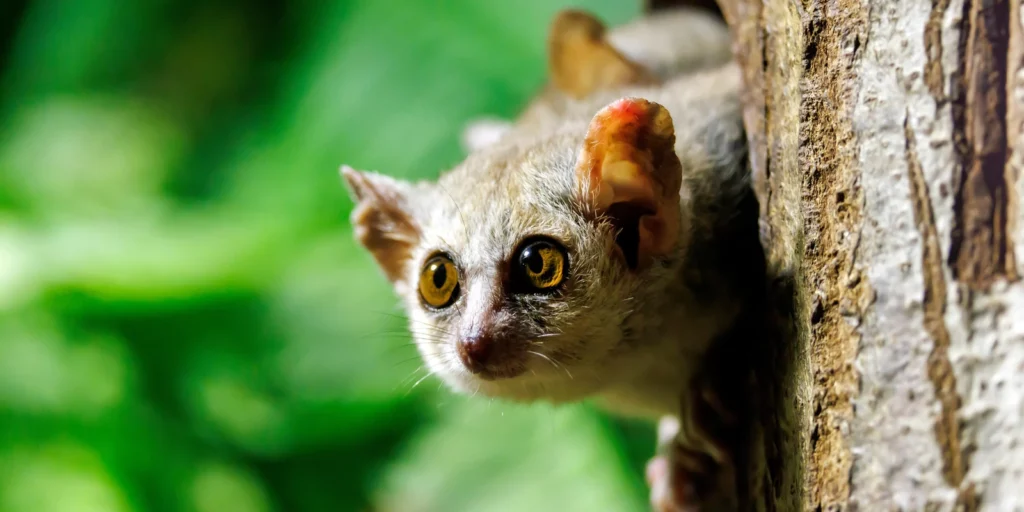
DONATE TO FBM Verified for authenticity Learn More IMPACT PROMISE Our Partners are carefully selected due to their high conservation impact Partner Snapshot Partner Name Fikambanana Bongolava Maitso (FBM) Location: Bongolava Forest Corridor Protected Area, Sofia Region, Madagascar Appeal Category: Community Support and Development Capacity Building and Training Protected Area Management Key Species: Madagascar rosewood Bongolava mouse lemur Coquerel’s sifaka Challenges And Threats: Forest fires Charcoal production Deforestation Actions: Fire prevention Protected area patrols Equipment to fight fires The Challenge Madagascar’s Bongolava Forest Corridor faces significant threats from forest fires caused by various human activities. These fires often originate from the renewal of grazing areas, leaks or explosions in charcoal kilns, and the clearing of crop fields using fire—all activities prohibited within the Protected Area. Fires spread quickly and uncontrollably, and the individuals responsible are often unidentified. Despite clear rules requiring authorization from the forestry administration for field clearing, including the presence of personnel to control the fire, these regulations are frequently ignored. As a result, fire use has become widespread and unregulated, posing a serious threat to the forests. Additionally, the dry season (July to December) has seen an alarming increase in fires, with 2023 incidents far surpassing those of the last five years. Fire damage during this period is especially critical, wreaking havoc on both farmland and Protected Areas. Outside the Corridor, the loss of forest cover has been immense, increasing pressure on the Protected Area for resources like charcoal production. Urgent Solutions FBM is working tirelessly to address these challenges through a multi-faceted approach involving collaboration with the forestry administration and local committees. Enhanced enforcement of fire-use regulations is a critical first step to prevent uncontrolled burns. FBM is committed to increasing patrols around the Protected Area to monitor for potential fire outbreaks, ensuring that early detection and rapid response minimize damage to the forest. In addition to monitoring efforts, equipping FBM with firefighting tools and training is essential to combat fires that do arise. Expanding their capacity will enable them to respond more effectively to incidents before they escalate into widespread destruction. Furthermore, FBM seeks to empower community members by providing education and resources to reduce reliance on harmful practices such as unsanctioned land clearing and charcoal production. This comprehensive strategy not only safeguards the Bongolava Forest Corridor but also strengthens the community’s ability to coexist sustainably with their environment. Why Your Donation Matters FBM is on the frontlines of protecting the Bongolava Forest Corridor from forest fires and other threats. Your support will empower FBM to train local committees in conflict resolution and enforcement of fire-use regulations, strengthening their ability to protect the forest. Donations will also help expand patrols, provide critical firefighting equipment, and fund education initiatives that promote sustainable practices. By contributing, you are helping FBM and the local community safeguard one of Madagascar’s most biodiverse regions, ensuring it remains a haven for wildlife and a vital resource for generations to come. Partner Qualifications IUCN Member Verified Partner Legally Constituted Top Accountability Effective Impact Conservation Action Heroes
Help Save The Alaotran Gentle Lemur

DONATE TO MWC Verified for authenticity Learn More IMPACT PROMISE Our Partners are carefully selected due to their high conservation impact Partner Snapshot Partner Name Madagascar Wildlife Conservation Location: Lake Alaotra Protected Area, Madagascar Appeal Category: Ecosystem Restoration Education Wildlife Conservation Key Species: Alaotran gentle lemur Durrell’s vontsira Madagascar rainbow fish Challenges And Threats: Illegal poaching Fires Clearing marshland vegetation Actions: Prevent poaching Generate community awareness of lemurs Protect habitats The Challenge Alaotran gentle lemurs live exclusively in the reeds surrounds Lake Alaotran of northeast Madagascar. Despite their limited range, they are incredibly important in balancing the ecology of the area. The principal threat to these lemurs and their habitat is marsh destruction. Fires are started to convert the marshlands into rice fields around Lake Alaotra Protected Area, with intense destruction in the Bandro Special Conservation Zone. This area that is under attack is home to the largest subpopulation of the Alaotran gentle lemurs in the world. Urgent Appeal Madagascar Wildlife Conservation’s intensive environmental education program is showing promise in improving conservation in the area. It includes: Raising awareness among locals on the environment, environmental problems, and the natural consequences of environmental degradation. MWC engages adults in educational workshops and travels to local schools to teach children Developing entertaining materials to bolster the education program, including comic books that illustrate the plight of the Alaotran gentle lemurs and what can be done to help Instilling positive attitudes and concern for the environment while encouraging individuals and local societies to become active participants in marsh restoration and lemur protection Why Your Donation Matters Madagascar Wildlife Conservation is leading the conservation of the Critically Endangered Alaotran gentle lemur. However, as a Madagascar-based organization, they receive limited support from international donors. By donating to this campaign, you are making a real difference, contributing to the saving of one of the world’s most unique animals, the Alaotran gentle lemur. Partner Qualifications IUCN Member Verified Partner Legally Constituted Top Accountability Effective Impact Conservation Action Heroes
Stop The Destruction Of Madagascar’s Rainforests

DONATE TO NY TANINTSIKA Verified for authenticity Learn More IMPACT PROMISE Our Partners are carefully selected due to their high conservation impact Partner Snapshot Partner Name Ny Tanintsika Location: Ambositra-Vondrozo Forest Corridor Protected Area, Eastern Madagascar Appeal Category: Community Support and Development Endangered Species Wildlife Conservation Key Species: Golden bamboo lemur Southern black-and-white ruffed lemur Milne-Edwards’s sifaka Challenges And Threats: Logging Slash and burn cultivation Fire Actions: Intensify ranger patrols Patroller equipment Community education and awareness The Challenge Human migration into the forest is triggering deforestation and fragmentation of the remaining forest ‘corridor,’ particularly through agricultural extension (rice-farming in the valley floors and gradual deforesting of the surrounding hillsides). Illegal logging and mining activities, fuelled by corruption, further threaten the ecosystem. Additionally, hunting of lemurs for consumption continues to deplete wildlife populations. According to forest cover loss data from 2001 to 2020, the Corridor of Ambositra-Vondrozo (COFAV) lost 51,700 hectares of forest cover, including 37,700 hectares of primary forest. The main threat to fauna is habitat destruction and collection of animals for sale. The Lemur Conservation Strategy identifies COFAV as home to 21 lemur taxa, of which 6 are critically endangered, 7 endangered, 4 vulnerable, 1 near threatened, and 3 data deficient. COFAV has the highest number of lemur species of any protected area in Madagascar—with a disproportionate number in elevated threat categories. Urgent Solutions Ny Tanintsika is addressing these threats through education and awareness-raising activities, and by strengthening forest management and governance. Their approach includes: Increasing the number of monthly patrols to gather more information on existing pressures and to dissuade exploitation of forest trees and agricultural expansion Creating a mixed brigade comprising the Regional Directorate for the Environment and Sustainable Development team, local gendarmerie, and patrol officers from each community forest management association (VOI) to conduct unannounced checks every three months Restoring damaged forest areas through tree planting initiatives with local communities Encouraging people around the forest to plant trees for their daily needs to reduce pressure on natural forests Improving the livelihoods of local residents to engage them as active participants in forest protection Why Your Donation Matters The Ambositra-Vondrozo Forest Corridor contains a wealth of flora and fauna biodiversity that will disappear as forest degradation continues. The impact of climate change is already visible, causing food insecurity for people living around the forest. At the current rate of degradation, these forests could disappear within 70 years. If deforestation continues, valuable genetic diversity—including unique species of wildlife and valuable tree species—will be lost forever. This part of the forest is the source of several rivers in southern and southeastern Madagascar, and its destruction will lead to drought and famine throughout the region. Your donation will help Ny Tanintsika protect this critical forest corridor, preserve endangered species, and support sustainable development for local communities who depend on this ecosystem. Partner Qualifications IUCN Member Verified Partner Legally Constituted Top Accountability Effective Impact Conservation Action Heroes
Preserve Tsimanampetsotsa’s Biodiversity For Future Generations
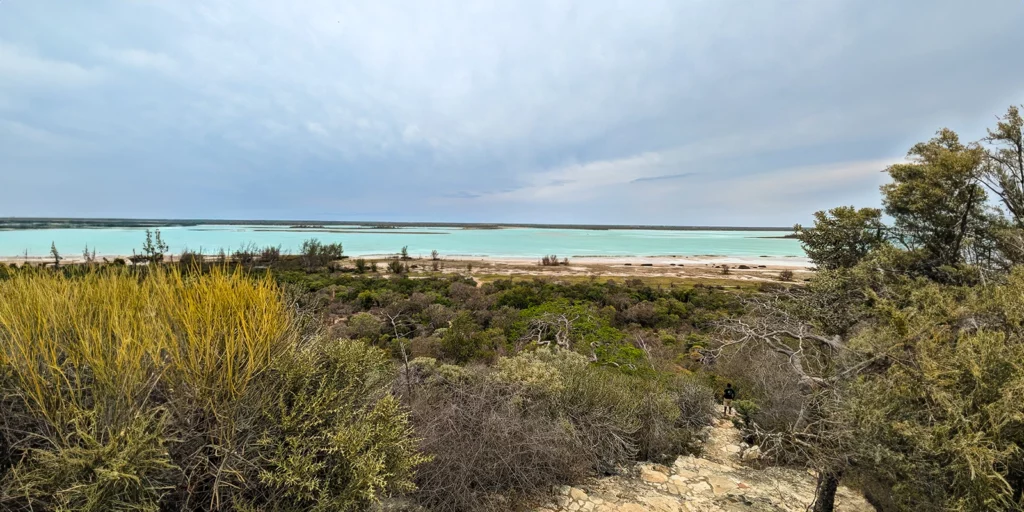
DONATE TO ANALASOA Verified for authenticity Learn More IMPACT PROMISE Our Partners are carefully selected due to their high conservation impact Partner Snapshot Partner Name Association Analasoa Location: Tsimanampesotse National Park, Southwestern Madagascar Appeal Category: Capacity Building and Training Endangered Species Wildlife Conservation Key Species: Radiated tortoise Grandidier’s mongoose Ring-tailed lemur Challenges And Threats: Fires Deforestation Illegal trade of Radiated tortoise Actions: Enhancing the enforcement of patrols to combat illegal activities Conducting outreach programs Monitoring efforts for endangered species The Challenge The Tsimanampesotse National Park represents the dry spiny forests of Madagascar, a unique and highly diverse ecosystem with an exceptionally high number of endemic species. These forests are situated in economically and climatically disadvantaged Southwest Madagascar, where local communities heavily rely on nature for their well-being. The lack of awareness among local populations regarding the importance of conserving resources for the benefit of future generations has led the local communities to the overexploitation of vital natural resources, especially during crises, threatening the rich plant and animal diversity. As a UNESCO World Heritage site, the Madagascar southwestern biodiversity protection is paramount. To protect these natural resources and support local livelihoods, Association Analasoa is challenged to implement innovative biodiversity conservation strategies with increased collaboration and community involvement. Urgent Appeal Association Analasoa’s conservation efforts prioritize mitigating the impact of human activity on biodiversity, a critical component of their mission. Covering 202,525 hectares, Tsimanampesotse National Park requires a strong protection and monitoring system, as well as community education and mobilization to reduce pressures. This initiative demands proactive engagement, steadfast commitment, dynamism, and strategic efficiency in addressing emerging challenges. To succeed, optimizing human and financial resources for nature conservation is essential for tackling the complex tasks involved in preserving the park. Why Your Donation Matters Association Analasoa’s participatory conservation initiatives in the Tsimanampesotse region have helped to improve the low involvement of local communities and increase their awareness of the importance of preserving natural resources. Over the past few years, the Analasoa concept and program, initially localized, have expanded to other areas of Tsimanampesotse National Park. The organization firmly believes that an effective participatory conservation program, combined with capacity building at the local level, forms the foundation of successful conservation initiatives, thus ensuring the future of generations to come. Partner Qualifications IUCN Member Verified Partner Legally Constituted Top Accountability Effective Impact Conservation Action Heroes
Lemurs! Madagascar’s Treasure Needs Your Help
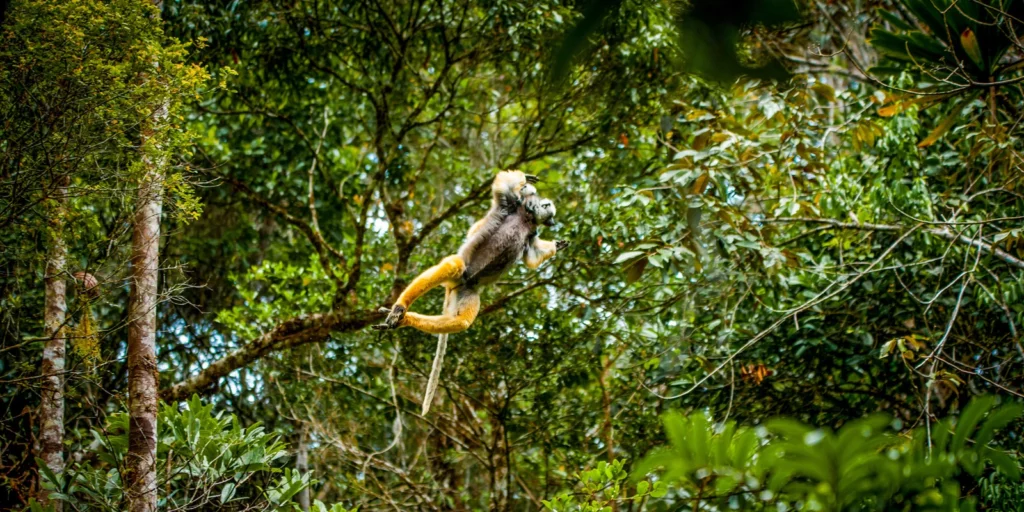
DONATE TO GERP Verified for authenticity Learn More IMPACT PROMISE Our Partners are carefully selected due to their high conservation impact Partner Snapshot Partner Name GERP Madagascar Location: Maromizaha in Madagascar Appeal Category: Ecotourism Reforestation Scientific Research Key Species: Indri Gray-headed Lemur Coquerel’s Sifaka Challenges And Threats: Illegal poaching Cattle ranching Charcoal production Actions: Community outreach Law enforcement Protection patrols The Challenge Lemurs, Madagascar’s most iconic and endangered primates, are facing an unprecedented crisis. Their lush rainforest habitats are vanishing at an alarming rate, due to deforestation, habitat destruction, and the illegal wildlife trade. As a result, lemurs are on the brink of extinction, and their unique biodiversity is at risk of being lost forever. These captivating creatures, found nowhere else on Earth, play a critical role in their ecosystems. To combat this urgent crisis, GERP Madagascar is dedicated to protecting lemurs and preserving their habitats. Support for their efforts will make a real difference in overcoming these challenges and ensuring a brighter future for lemurs in Madagascar. Together, conservation partners can be the lifeline these incredible animals desperately need. Urgent Solutions The time to act is now. Lemurs in Madagascar can’t wait. With proper support, GERP Madagascar is implementing critical solutions to protect these beloved primates. Donations fund essential actions, including habitat preservation, anti-poaching efforts, community engagement, education, and scientific research. GERP is working tirelessly to halt habitat destruction and the illegal wildlife trade, ensuring that lemurs can thrive once more. By contributing today, supporters become a vital part of these urgent solutions, making a profound impact on the survival of lemurs and the preservation of Madagascar’s rich biodiversity. Conservation partners can join this race against time to secure a future where lemurs continue to enchant the world. Why Your Donation Matters Lemurs are not just charismatic animals; they are guardians of Madagascar’s exceptional biodiversity. Their survival is intertwined with the preservation of unique ecosystems found nowhere else on our planet. By protecting lemurs, GERP protects the very essence of Madagascar’s natural heritage. These remarkable creatures serve as ambassadors for the urgent need to conserve our environment and the delicate balance of life on Earth. Action is needed now. By supporting GERP Madagascar, donors are taking a stand for lemurs, for biodiversity, and for our planet’s future. Contributions are more than donations; they’re commitments to safeguarding the wonders of our world. Together, GERP and its supporters can make a lasting difference, ensuring that Madagascar remains a sanctuary for biodiversity and the enchanting home of lemurs. Partner Qualifications IUCN Member Verified Partner Legally Constituted Top Accountability Effective Impact Conservation Action Heroes Lemurs! Madagascar’s Treasure Needs Your Help Lemurs, Madagascar’s most iconic and endangered primates, are facing unprecedented rates of deforestation and illegal wildlife trade. With your support, GERP is implementing critical solutions to protect these beloved primates. Donations fund habitat preservation, anti-poaching efforts, community engagement, education, and research. Raised so far $0 Goal $10K 0% funded APPEAL Snapshot Partner Naturaleza, Tierra y Vida (NATIVA) Location Gran Paisajes del Chaco, Chiquitania y Pantanal, Bolivia Appeal Category Protected Area Management Wildlife Conservation Community Support and Development Key Species Jaguar, Chaco peccary, Lowland tapir Partner Qualifications IUCN Member Legally Constituted Effective Impact The Challenges Bolivia is in the middle of an escalating wildfire crisis. Prolonged drought, rising temperatures, and unsustainable land use have pushed the Chaco, Chiquitania, and Pantanal into increasingly frequent megafires. Each fire season destroys critical habitat, degrades soils and waterways, and puts Indigenous and rural communities at risk. Many protected landscapes still lack the equipment, early-warning systems, and trained brigades needed to contain fires before they spread. Urgent Solutions NATIVA is launching an integrated wildfire prevention and response program. They will strengthen local brigades with specialized training, protective equipment, and logistical support; expand satellite monitoring to detect hotspots in real time; and run awareness campaigns to help communities adopt preventive fire-management practices before the next dry season. The goal: sharply reduce wildfire impact and safeguard critical habitat for jaguars, Chaco peccaries, lowland tapirs, and the people who share their range. Why Your Donation Matters Your support goes straight to protecting some of Bolivia’s most extraordinary ecosystems. Every contribution equips a frontline brigade, keeps a monitoring system online, or fuels an emergency deployment when a fire breaks out. Investing in prevention now is how we stop irreversible biodiversity loss and defend Indigenous territories—before the next fire season hits.
Monitor Biodiversity In Madagascar

DONATE TO ASITY Verified for authenticity Learn More IMPACT PROMISE Our Partners are carefully selected due to their high conservation impact Partner Snapshot Partner Name ASITY Madagascar Location: 4 reserves across Madagascar Appeal Category: Community Support and Development Capacity Building and Training Education Endangered Species Protected Area Management Key Species: Sakalava Rail Verreaux’s sifaka Madagascan big-headed turtle Challenges And Threats: Clearance of rainforest for cattle ranching Habitat fragmentation Unsustainable resource use Actions: Protected area management Expand ecotourism infrastructure Community environmental education The Challenge Madagascar’s unique biodiversity faces significant threats from habitat loss, primarily through the clearance of rainforest for cattle ranching and other unsustainable practices. These activities endanger critical species like the Sakalava Rail, Verreaux’s sifaka, and the Madagascan big-headed turtle. ASITY Madagascar works to address these conservation challenges through community engagement, development projects, and collaboration with various sectors. Their approach focuses on protecting important locations while simultaneously improving the socio-economic conditions of local communities who depend on these natural resources. Urgent Appeal ASITY Madagascar’s conservation work spans four protected areas across Madagascar, each requiring consistent monitoring and management. Their efforts include capacity building for local communities and implementing sustainable management practices that balance ecological protection with human needs. Through focused initiatives, ASITY fosters long-term behavior change through awareness raising, information sharing, and environmental education. Their work empowers communities and future generations to understand the vital connection between their wellbeing and the conservation of local natural resources, creating pathways for sustainable coexistence. Why Your Donation Matters Donations directly support ASITY’s vital monitoring efforts in their four Protected Areas, including capacity building initiatives and the implementation of sustainable management practices. Every contribution makes a meaningful impact in preserving Madagascar’s natural ecosystems. By supporting ASITY Madagascar, donors play a crucial role in solving pressing conservation challenges. Through their integrated approach that combines environmental protection with community development, ASITY creates positive and lasting impacts for both people and biodiversity throughout Madagascar Partner Qualifications IUCN Member Verified Partner Legally Constituted Top Accountability Effective Impact Conservation Action Heroes
Fosa Association
DONATE TO FOSA Verified for authenticity Learn More IMPACT PROMISE Our Partners are carefully selected due to their high conservation impact Partner Snapshot Partner Fosa Association Location Madagascar, Africa Category Community Support and Development Protected Area Management Wildlife Conservation Urgent Appeals None currently Date Founded 2023 Website www.fosa.mg Partner Qualifications Verified Partner Legally Constituted Top Accountability Conservation Action Heroes About The Fosa Association The Fosa Association (Fikambanana Fosa Andranofasika), created by Dr. Luke Dollar and Conservation Allies, is a young organization mainly run by local residents within Ankarafantsika National Park. It started with Fossa monitoring and evolved through partnerships with student researchers to incorporate research, education, and patrols into its practices. They have also created women’s associations, which is unique, as women are oftentimes not included in conservation initiatives in Madagascar. With a main focus on wildlife conservation, they collaborate with the park manager (MNP) to increase their impact. Their Challenges Ankarafatsika National Park is facing strong pressures linked to forest and bushfires, charcoal mining, illegal logging, raffia exploitation, and human migration in search of arable land. These pressures destroy a large area of vegetation and thus cause the disappearance of a great deal of plant and animal biodiversity. The action of MNP alone is not currently sufficient to reduce and eradicate this scourge. Thus, Association Fikambanana Fosa Andranofasika decided to take action and collaborate with MNP to carry out effective patrols, leading to reduced wildfires and increased awareness. Their Approach Association Fikambanana Fosa Andranofasika was formed and is run mainly by local people who have an intimate knowledge of the land and the threats it faces. Some of their specific conservation actions include: Patrolling the buffer zones as well as the core of Ankarafantsika National Park and responding to threats, such as fires or illegal activities Recruiting young people in the region to join the cause, leading to the preservation of nature for future generations Holding awareness sessions in the villages surrounding the park to increase local engagement Why They Need Your Help Association Fikambanana Fosa Andranofasika is completely reliant upon donations to continue their operations. Donations support their daily conservation operations, improve patrolling techniques, and invest in better equipment for their rangers.
IMPACT Madagascar
DONATE TO IMPACT MADAGASCAR Verified for authenticity Learn More IMPACT PROMISE Our Partners are carefully selected due to their high conservation impact Partner Snapshot Partner IMPACT Madagascar Location Madagascar, Africa Category Community Support and Development Protected Area Management Wildlife Conservation Urgent Appeals Protecting Madagascar Remaining Dry Forests: Save Kasijy Special Reserve! Date Founded 2014 Website www.impactmadagascar.org Partner Qualifications Verified Partner Legally Constituted Effective Impact Conservation Action Heroes About IMPACT Madagascar IMPACT Madagascar is a Malagasy NGO who understands that you can’t protect endemic wildlife and endangered forests without taking into consideration the needs of the people living there. They take steps to preserve habitats and species while taking actions to benefit and empower local communities. Over the last decade, they have accomplished quantifiable and sustainable long-term solutions to the problems of biodiversity loss, deforestation and poverty. From tree nurseries and biodiversity conservation to improved farming techniques and income generation, they sponsor a variety of projects which build a bright and sustainable future for the people and wildlife of Madagascar. Their Challenges According to Global Forest Watch, Madagascar had 15.6 Mha of natural forest in 2020, extending over 26% of its land area. As of last year (2024) it has lost 226 kha of natural forest, equivalent to 115 Mt of CO₂ emissions. This is their primary challenge: the alarming rate of continual deforestation throughout Madagascar. Most of Madagascar’s tropical forests have been transformed into fragmented landscapes, leaving behind disconnected and degraded forest patches. This fragmentation creates barriers for wildlife and reduces available forest resources for all who rely on them. The reliance of local people on these incredibly limited forest resources is an additional challenge, and includes the issues of illegal logging, timber exploitation, charcoal production, wildlife poaching, overfishing with illegal traps and nets, land-clearing bushfires (often for agriculture), and general overuse of forest and aquatic resources. Notably, bushfires are a major concern in dry habitats, primarily occurring at the end of the dry season for agricultural preparation. Habitat threats are more prevalent when rangers are absent, particularly on weekends. Their Approach IMPACT Madagascar works alongside local people in order to empower communities, running community-led programs and coaching practical conservation skills that are sustainable for both people and the environment. They support IMPACT Madagascar’s communities through a holistic approach including: 1. Community Development and Community Conservation2. Environmental Outreach and Practical Environmental Education3. Forest and Wetlands Biodiversity and Habitat Monitoring4. Reforestation and Ecological Restoration They believe that successful conservation solutions must be implemented with community development at their core. Therefore, local people are involved in all stages of our conservation programs. We have established reforestation programs, where villages are actively restoring forest habitats via an annual tree planting program. Nursery species are also fast-growing to provide the communities with firewood, thereby conserving the protected forests. Local people are trained and then paid to monitor these programs as forest guards alongside the IMPACT team. Why They Need Your Help Madagascar is at serious risk of losing its remaining dry and gallery forest, along with the critically endangered species which live there. Increasing patrol capacity is vital to protecting these ecosystems, as threats occur mainly when rangers are absent, particularly over the weekends. Increasing crop yields and developing secondary income streams are vital for the long-term success of rural villages, reducing their dependence on harmful activities such as poaching or slash and burn agriculture. And environmental education provides the next generation with vital knowledge to continue this legacy of biodiversity protection. All of these initiatives are made possible by donations, and they are forever grateful for your generosity and support. Change cannot happen without your help, and they hope you will join them.