
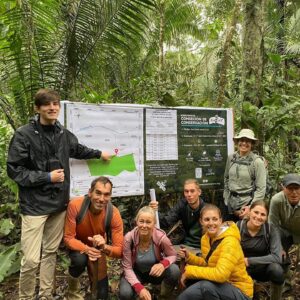
After a long evaluation by Peru’s Ministry of the Environment, Conservation Allies’ partner Kawsay Biological Station has been formally recognized as an Other Effective area-based Conservation Measure (OECM)—a designation that places its 437-acre reserve on the global registry of lands recognized for delivering meaningful conservation outcomes.
“This year, after a long evaluation process by the Peruvian Ministry of the Environment, our area has been recognized as an OECM,” Kawsay’s team shared. “It reflects our recognition of the area’s inherent value and the management we’ve put in place to protect it, confirming our commitment to conservation and supporting the 30×30 target.”
Why The Designation Matters
For decades, the world’s Protected Area system has been measured almost entirely by national parks and government reserves. The OECM framework, developed under the Convention on Biological Diversity, broadens that picture to include private reserves, Indigenous and community-conserved lands, and other governance models that deliver effective conservation in practice—whether or not they fit the traditional definition of a Protected Area.
The recognition also matters for something larger than any single reserve. The global 30×30 goal—the international commitment to safeguard at least 30% of the planet’s land and oceans by 2030—depends heavily on OECMs. Without them, no realistic accounting reaches 30%. With them, locally led reserves like Kawsay become part of the global conservation balance sheet.
Kawsay is now listed on the World Database on Protected Areas, the international system used to track conservation coverage worldwide, and its outcomes will be monitored alongside thousands of other sites.
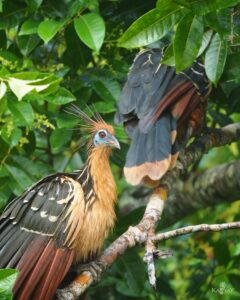
For a small biological station in Peru working at the intersection of research, capacity building, and on-the-ground wildlife conservation, the designation is both a recognition and a commitment. It is one more piece of evidence that locally led conservation, properly resourced, can stand alongside the world’s most established protected landscapes.