
Environment and Rural Development Foundation (ERuDeF)
DONATE TO ERuDeF Verified for authenticity Learn More IMPACT PROMISE Our Partners are carefully selected due to their high conservation impact Partner Snapshot Partner ERuDeF (Environment and Rural Development Foundation) Location Cameroon Category Community Support & Development Land Purchases Capacity Building & Training Urgent Appeals Save The Great Apes and Elephants of Cameroon From Extinction Date Founded 1999 Website erudef.org Partner Qualifications IUCN Member Legally Constituted Effective Impact About ERuDeF ERuDeF (Environment and Rural Development Foundation), founded in 1999, is a leading Cameroonian nonprofit conservation organization focused on conserving biodiversity and protecting fragile ecosystems in Cameroon and across Africa. The organization prioritizes the conservation of IUCN Red List species through the creation of protected and locally conserved areas, utilizing ecosystem and landscape management approaches. ERuDeF’s work encompasses research, education, and community engagement, aimed at empowering local communities and fostering long-term environmental sustainability. They also run Cameroon’s first private biodiversity university, training future conservation leaders in nonprofit management and conservation practices. Their Challenges ERuDeF faces several significant challenges in their conservation landscapes. The regions they serve are marked by extremely low standards of living, suppressed economies, and high unemployment rates. Government bureaucracy, corruption, and poor governance, with a president in power since 1982, further complicate efforts. Key challenges include: Deforestation due to logging, land grabbing, and slash-and-burn agriculture Inbreeding and habitat fragmentation, impacting species connectivity Economic hardship and impoverished households Low environmental awareness and poor education levels Lack of market information systems to support local economies Influx of migrants and refugees from neighboring regions, including the Central African Republic, Sahel Africa, and Anglophone Cameroon Degraded soil fertility and destruction of ecosystem services Increased wildlife poaching and bushmeat sales Chronic underfunding of field projects and limited resources These challenges make conservation efforts more complex, but ERuDeF continues to work towards overcoming them through community engagement, education, and sustainable development. Their Approach ERuDeF’s conservation model is centered around functional landscapes, using both landscape- and ecosystem-based approaches. These core conservation landscapes focus on: Lebialem Highlands – Conservation of Cross River Gorillas, Nigeria-Cameroon Chimpanzees, and African Forest Elephants. Mt. Bamboutos – Restoration of ecosystems and conservation of rare birds, amphibians, and plants. Nlonako-Muanenguba Mountains – Preservation of Goliath Frogs and chimpanzees. Gulf of Guinea Islands – Marine and island biodiversity conservation. Eastern Cameroon Corridor – Conservation of Western Lowland Gorillas, Central Chimpanzees, and African Forest Elephants. Lake Chad Basin and Freshwater Landscapes – Protection of freshwater and riparian species. In each landscape, ERuDeF conducts research on key species to assess their status and distribution. They then propose conservation areas to the Cameroonian government, collaborating to establish these protected zones. To increase community involvement, ERuDeF supports sustainable livelihoods, ecosystem restoration, and environmental education. They also promote cooperative development, microcredit systems, and cottage industries to secure economic benefits for local communities. Additionally, ERuDeF emphasizes education for sustainable development, including wildlife management, protection of water catchments, soil health management, and addressing the bushmeat trade. Why They Need Your Help Donations are urgently needed to prevent the decimation of over 700 gorillas trapped in Deng Deng National Park and the Lebialem Highlands due to inbreeding and habitat destruction caused by logging, hunting, and the influx of migrants. Without immediate support, these critical populations are at risk. Your contributions will help create protected areas and ecological corridors, provide sustainable livelihoods for local communities, and support training and capacity building for indigenous groups. Donations will also fund research, publications, education initiatives, and the development of ecotourism and local conservation management systems, ensuring long-term sustainability.
Save The Great Apes And Elephants Of Cameroon From Extinction

DONATE TO ERUDEF Verified for authenticity Learn More IMPACT PROMISE Our Partners are carefully selected due to their high conservation impact Partner Snapshot Partner Name Environment and Rural Development Foundation (ERuDeF) Location: Cameroon Appeal Category: Community Support and Development Capacity Building & Training Endangered Species Land Purchase Key Species: Cross river gorilla Western lowland gorilla Nigeria-Cameroon chimpanzee Central chimpanzee African forest elephant Challenges And Threats: Impoverished communities Wildlife corridor fragmentation and degradation Fragmented subpopulations of wildlife species Absence of law enforcement Actions: Create sustainable income streams for community members Create locally managed conservation areas Environmental education Promote sustainable financing The Challenge Fragmentation of wildlife subpopulations in the Eastern and Lebialem Highlands of Cameroon is leading to inbreeding and the potential local extinction of species. The Cross River gorilla, with fewer than 300 individuals remaining in the wild, is the world’s most threatened primate. Chimpanzees, forest elephants, and western lowland gorillas also face severe threats due to widespread deforestation, logging, land grabbing, and rapid urbanization. The international pet trade exacerbates the decline of these species, while the local economy’s suppression and extreme poverty drive communities to rely heavily on forest resources for survival. The lack of comprehensive education and career development programs limits alternatives for locals. Government rangers, tasked with protecting these habitats, are also insufficient in number, further weakening conservation efforts. Urgent Solutions Immediate action is required to address the critical conservation challenges in Cameroon. To protect endangered species and support local communities, the following solutions are essential: 1. Designation of Conservation Areas: Support the official designation of the Deng Deng Technical Operational Unit and the creation of six community-conserved areas to protect vital habitats.2. Wildlife Monitoring: Develop a comprehensive database tracking the distribution of key wildlife species, including migratory routes for great apes and African forest elephants.3. Economic Empowerment: Invest in initiatives that lift impoverished communities out of poverty, such as gorilla-based ecotourism, the valorization of non-timber forest products (NTFPs), agricultural ventures, cooperative development, and improved market access. 4. Education and Capacity Building: Implement a sustainable development education strategy focused on ecosystem management, skills training, and capacity development for local communities.5. Carbon Finance: Support the development of carbon finance mechanisms to ensure long-term funding for conservation efforts.6. Ecological Corridor Management: Establish and manage ecological corridors to promote species connectivity and reduce inbreeding.Together, these solutions will help safeguard Cameroon’s biodiversity while providing sustainable livelihoods for its communities, ensuring a brighter future for both people and wildlife. Why Your Donation Matters Your donations will help create and maintain community-conserved areas spanning 1.58 million acres, safeguarding critical habitats and establishing ecological corridors to prevent inbreeding and extinction of endangered species like great apes and elephants. Conservation Area Management Your support will help designate and manage the Deng Deng Technical Operational Unit and six community-conserved areas to protect vital habitats. Alternative Livelihoods By supporting economic development, your funds will provide sustainable livelihood alternatives for impoverished communities, reducing their dependence on forest and wildlife resources. Education and Capacity Building Education and training programs for local stakeholders will encourage sustainable practices and create opportunities beyond resource depletion. In addition, research and biomonitoring initiatives will help combat poaching and habitat destruction. Your contributions are vital in implementing long-term solutions to the current conservation challenges, ensuring a sustainable future for both wildlife and local communities. Partner Qualifications IUCN Member Verified Partner Legally Constituted Top Accountability Effective Impact Conservation Action Heroes
Así Conserva Chile A.G.
DONATE TO ASÍ CONSERVA CHILE Verified for authenticity Learn More IMPACT PROMISE Our Partners are carefully selected due to their high conservation impact Partner Snapshot Partner Así Conserva Chile A.G. Location Chile Category Capacity Building and Training Government Policy Protected Area Management Urgent Appeals None currently Date Founded 2010 Website asiconservachile.org Partner Qualifications IUCN Member Legally Constituted Effective Impact About Así Conserva Chile A.G. Así Conserva Chile is a coalition of diverse members—including landowners, indigenous and rural communities, families, universities, foundations, and tourism companies—who are dedicated to establishing protected areas across Chile. The association coordinates efforts among Private Protected Areas and Indigenous Peoples, focusing on sustainable development and biodiversity conservation. Through collaborative efforts, Así Conserva Chile secures support, legal recognition, and resources to protect these lands for future generations and to empower its members in the challenging work of conservation. Their Challenges Conservation in Chile faces significant challenges: limited government incentives and funding make it difficult for landowners to sustain protected areas long-term. Conservation efforts also compete with pressures from industries like mining and agriculture, and weak regulations allow harmful activities in sensitive ecosystems. Additionally, public awareness and support for private conservation are low, impacting funding and collaboration opportunities. Así Conserva Chile unites and supports landowners, advocates for better policies, and works to strengthen conservation across Chile, ensuring these areas are protected for future generations. Their Approach Así Conserva Chile represents and defends private conservation in Chile, protecting unique ecosystems often absent from national protected areas. In a country rich in rare and endemic species, private conservation provides vital refuge for biodiversity. The association strengthens conservation efforts by building support networks, promoting best practices, and advocating for policies that benefit communities. Through training, networking, and collaboration with government authorities, they work to advance conservation initiatives. They also contribute to the development of laws that protect nature and support innovative monitoring practices, ensuring access to essential research and insights. Así Conserva Chile is dedicated to enhancing the identity and reputation of private conservation by promoting ethical standards and professionalism among its members. Why They Need Your Help Private conservation in Chile relies heavily on landowners’ resources, leaving unique ecosystems vulnerable without external support. Conservation efforts face pressure from industries like mining and agriculture, which have stronger financial and policy backing, while private conservation lacks comparable support. Additionally, many landowners need specialized training and resources to manage and restore these areas effectively. Low public awareness further limits donations, volunteer efforts, and grants. With limited resources, landowners and Indigenous communities often struggle to fully engage in conservation work. Your support enables Así Conserva Chile to unite and empower these groups, advance national policies, and protect Chile’s invaluable ecosystems.
Save Bhutan’s White-Bellied Herons From Extinction
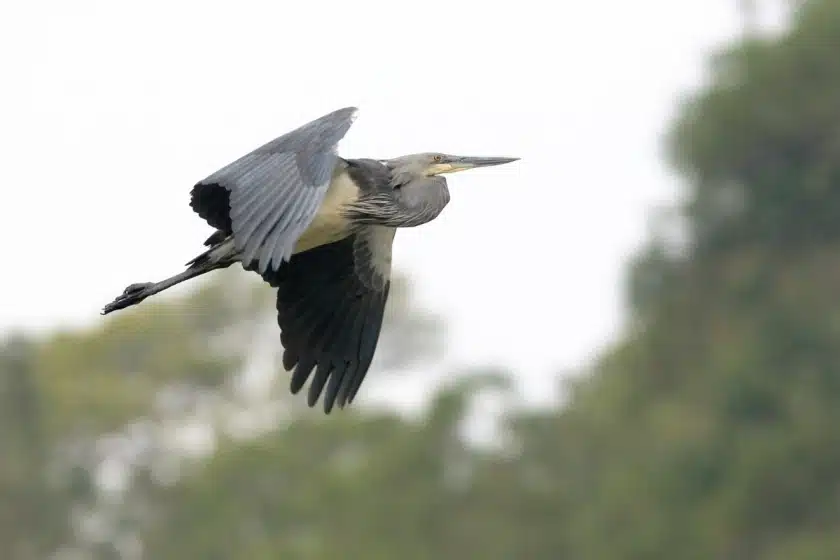
DONATE TO RSPN BHUTAN Verified for authenticity Learn More IMPACT PROMISE Our Partners are carefully selected due to their high conservation impact Partner Snapshot Partner Name Royal Society for Protection of Nature (RSPN Bhutan) Location: Bhutan Appeal Category: Community Support and Development Capacity Building & Training Endangered Species Key Species: White-bellied Heron Rufous-necked Hornbill Small-clawed Otter Challenges And Threats: Crashing wildlife populations Increase threats to natural habitats Low support for landscape level community-conservation programs Actions: Revive wildlife populations through in-situ and ex-situ conservation programs Reconnecting habitats through ecosystem restoration activities Incentivize communities to reduce threats to wildlife The Challenge The Critically Endangered White-bellied heron faces a rapid decline across its few remaining habitats, primarily in Bhutan, Northeast India, and Myanmar. Human activities, such as habitat degradation and the socio-economic struggles of surrounding communities, place immense pressure on this rare species. Low population genetics and a small breeding population further heighten the risk of extinction. In Bhutan, the Royal Society for Protection of Nature (RSPN) leads global conservation efforts to protect the White-bellied heron, the only organized program of its kind. However, resource challenges pose serious threats to the effectiveness of these programs. Activities like population monitoring, community engagement, habitat restoration, and maintaining the WBH Conservation Center require significant and growing operational costs. Managing these resources is the greatest challenge in sustaining the effort to save the White-bellied heron, and other endangered species, from extinction. Urgent Solutions Donations to this campaign will directly support the White-bellied heron conservation efforts, helping to address the urgent threats facing this species. The funds will be used to: Protect WBH habitats and support monitoring efforts Conduct annual population counts and track population dynamics Rescue and rehabilitate injured or endangered herons Restore degraded ecosystems that are critical to the WBH’s survival Identify potential habitats for the WBH within Bhutan and the region Enhance research on WBH ecology to inform conservation strategies Support infrastructure improvements such as laboratory equipment, aviaries, and fish ponds for breeding programs Build capacity and provide fair compensation for conservation staff These actions will also benefit surrounding communities, incentivizing them to actively participate in conservation efforts. Why Your Donation Matters Your donation is crucial in preventing the extinction of the White-bellied heron, which could disappear by 2050 without immediate intervention. The Royal Society for Protection of Nature, through more than 20 years of dedicated efforts, has so far prevented the extinction of these birds. In 2003, only 14 individuals were recorded, but through careful management, that number has grown to at least 25 as of 2024. Despite these gains, the WBH remains critically endangered, and continued conservation efforts are necessary. RSPN is partnering with international organizations like Conservation Alliance to secure the funding required for the next two decades. Your donation will help sustain the White-bellied Heron Conservation and Breeding Center, scale up community engagement and livelihood programs, and protect key breeding and feeding habitats. By supporting this cause, you are playing a truly vital role in saving one of the world’s most endangered species and contributing to the overall health of Bhutan’s ecosystems. Partner Qualifications IUCN Member Verified Partner Legally Constituted Top Accountability Effective Impact Conservation Action Heroes
Promoting Coexistence: Support Communities To Protect People And Wildlife
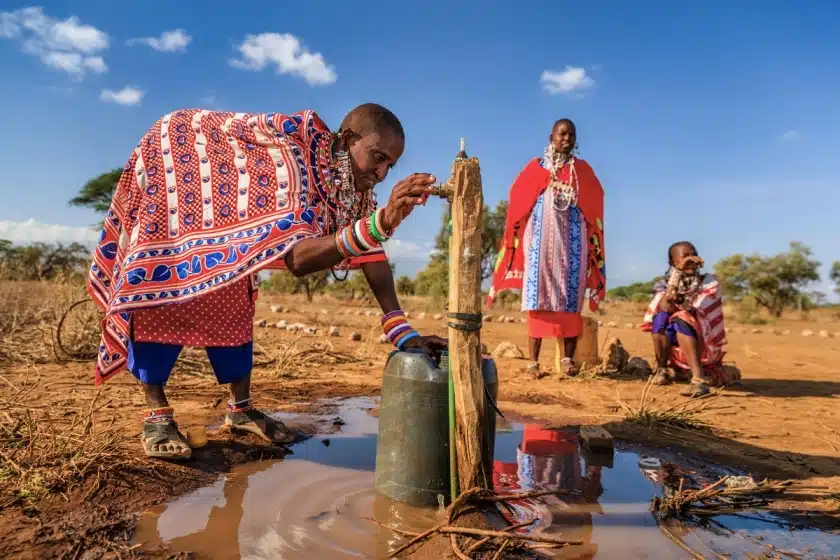
DONATE TO CONSERVATION ALLIANCE OF KENYA Verified for authenticity Learn More IMPACT PROMISE Our Partners are carefully selected due to their high conservation impact Partner Snapshot Partner Name Conservation Alliance of Kenya Location: Multiple Key Ecosystems in Kenya Appeal Category: Community Support and Development Capacity Building & Training Government Policy Key Species: African Savannah Elephant African Lion East African Cheetah Challenges And Threats: Mangrove deforestation Land encroachment Wastewater pollution of the environment from near communities Human-wildlife conflict (livestock predation, crop damage, and potential injury) Lack of vehicles to support transport of professional in deescalating conflicts and treating injured people/wildlife Insufficient training programs Actions: Build community trust through capacity-building sessions with rangers and locals Implement predator-proof solutions and provide essential resources like motorbikes and field vehicles for rapid response Reform policies and laws, while constructing water infrastructure to reduce human-wildlife conflict The Challenge Human-wildlife conflict is escalating in key ecosystems across Kenya, both within and outside protected areas. Incidents of livestock predation, crop destruction, and threats to human life are becoming more frequent as wildlife and human populations increasingly overlap. These conflicts threaten not only vulnerable species like elephants, lions, and cheetahs but also the well-being of local communities. Degraded habitats, unsustainable land-use practices, and conflicting laws and policies further exacerbate the situation. In many cases, efforts focus heavily on wildlife protection, with insufficient attention to the needs of affected communities. The current resources and capacity to manage these conflicts are limited, leaving communities vulnerable and wildlife at risk. Urgent action is needed to create sustainable solutions that address both human and wildlife needs, including the provision of water resources to reduce conflict. Urgent Solutions To mitigate the rising tension between wildlife and communities, several urgent actions are proposed: Launch grassroots capacity-building sessions to foster trust between rangers and local communities, ensuring a collaborative approach to conflict resolution Implement predator-proof solutions that are scalable and adaptable to various regions, reducing livestock losses and improving community safety Reform existing policies, laws, and strategies to better balance wildlife conservation with human needs Provide essential resources like electric motorbikes for rapid response to conflict incidents and a four-wheel-drive vehicle to enhance mobility in the field Support the construction of water dams and other vital infrastructure to minimize competition between humans and wildlife over resources These actions will help build resilient communities that can coexist with wildlife, ultimately protecting both people and endangered species. Why Your Donation Matters Your donation is critical in preventing the extinction of endangered species, including elephants, lions, and cheetahs, while promoting peaceful coexistence between humans and wildlife. By supporting this initiative, you are helping to protect some of the world’s most iconic species from the threat of extinction. With your support, communities will gain the resources and knowledge they need to manage conflicts with wildlife, ensuring that both people and animals thrive. Together, we can reduce the risk of injury, loss of livelihood, and species decline, creating a sustainable future for Kenya’s ecosystems. Every contribution brings us one step closer to achieving harmony between humans and nature, protecting biodiversity for generations to come. Partner Qualifications IUCN Member Verified Partner Legally Constituted Top Accountability Effective Impact Conservation Action Heroes
Conservation Alliance of Kenya
DONATE TO CAK Verified for authenticity Learn More IMPACT PROMISE Our Partners are carefully selected due to their high conservation impact Partner Snapshot Partner Conservation Alliance of Kenya (CAK) Location Kenya, Africa Category Capacity Building and Training Ecosystem Restoration Government Policy Urgent Appeals Promoting Coexistence: Support Communities to Protect People and Wildlife Date Founded 2016 Website www.conservationalliance.or.ke Partner Qualifications IUCN Member Legally Constituted Effective Impact About The Conservation Alliance of Kenya The Conservation Alliance of Kenya (CAK) is an umbrella organization for registered groups in Kenya involved in biodiversity conservation. They have a membership of 75 organizations working across the country to conserve species, protect habitats, and advocate for conservation policies. Their vision is to be a unified, influential voice in Kenya, promoting a future where people, nature, and the economy thrive sustainably. CAK’s mission is to advocate for sustainable, connected ecosystems where flora and fauna flourish by empowering communities and members to implement impactful conservation programs. CAK believes that empowering its members and stakeholders to address conservation issues in a cohesive, coordinated manner will lead to more effective conservation efforts. Their success is guided by four strategic objectives: 1. Advocating for Favorable Policies and Legislation: This includes participating in biodiversity conventions and working with the government to align policies, laws, and strategies at both national and county levels. 2. Promoting Strategic Partnerships and Collaboration: CAK emphasizes a landscape/ecosystem approach to data collection and knowledge management through partnerships. 3. Building Member Capacity: By leveraging the expertise of members and stakeholders, CAK aims to strengthen institutional capacity and achieve impactful conservation actions. 4. Facilitating Management and Information Sharing: CAK works to enhance information sharing to scale up successful conservation efforts. Their Challenges CAK faces several key challenges that hinder the effectiveness of conservation efforts in Kenya: Limited collaboration: Working in isolation and failing to share information or lessons learned with other stakeholders. To address this, CAK conducts stakeholder mapping and holds quarterly meetings on thematic issues. Resource constraints: There is a lack of adequate resources to convene meetings with the government to review policies, laws, and strategies crucial to conservation efforts. Human-wildlife coexistence: Managing conflicts between local communities and wildlife remains a significant challenge in maintaining biodiversity in Kenya. Dependence on external funding: Governmental financial support for conservation is lacking, forcing CAK to rely heavily on external sources for their initiatives. Their Approach In response to the challenges they face, CAK has developed a multi-faceted approach to strengthen conservation efforts and improve stakeholder collaboration: Building member capacity: They are working on enhance members’ ability to share data that can influence favorable policies, laws, and strategies. Their capacity building also focuses on governance, board leadership, and resource mobilization to reduce program duplication and maximize impact. Knowledge sharing: To address the scattered nature of information, CAK is creating a centralized knowledge hub through its website, serving as a one-stop platform for data sharing among Kenyan conservationists. Policy development: CAK is working on two key policies—one focusing on conservation and another reviewing the Wildlife Act. They are also developing landscape conservation master plans for two key ecosystems, Tsavo and Kakamega. Restoration efforts: CAK is restoring degraded conservation areas and upscaling successful conservation actions, including sustainable methods for eradicating invasive and alien species. By taking these steps, CAK aims to address Kenya’s conservation challenges and enhance its role as a leader in biodiversity conservation across Kenya. Why They Need Your Help Donations to CAK will be used to implement policies, laws, and strategies that promote cross-sector partnerships and collaboration. They will help enhance coexistence between people and wildlife through education, capacity building, and fostering trust between rangers and communities, offering sustainable solutions to reduce conflicts. The funds will also support habitat restoration to ensure species survival and save habitats from fragmentation and degradation. Additionally, donations will build the capacity of members and stakeholders to adopt local solutions that mitigate the global impacts of climate change. Donations will also help fund ongoing wildlife census efforts and the construction of predator-proof solutions for livestock.
RSPN Bhutan
DONATE TO RSPN BHUTAN Verified for authenticity Learn More IMPACT PROMISE Our Partners are carefully selected due to their high conservation impact Partner Snapshot Partner Royal Society for Protection of Nature (RSPN) Bhutan Location Bhutan Category Community Support and Development Capacity Building and Training Endangered Species Urgent Appeals Save Bhutan’s White-bellied Herons From Extinction Date Founded 1987 Website www.rspnbhutan.com Partner Qualifications IUCN Member Legally Constituted Effective Impact About RSPN Bhutan RSPN Bhutan was established in 1987 under the command of His Majesty, the Fourth King of Bhutan, as a citizen-based non-governmental organization dedicated to the conservation of the Kingdom’s environment. Her Majesty, the Queen of Bhutan, is the current Royal Patron of the organization. RSPN Bhutan is managed by seven Board Directors, with the Executive Director serving as the head of the organization. RSPN Bhutan supports and oversees conservation programs as a complementary effort to government initiatives, using a systematic approach to implement sustainable solutions to emerging environmental challenges through innovation, citizen engagement, environmental education, and empowerment. RSPN currently focuses on six areas: Species and Habitat Wetland and Freshwater Environmental Education Sustainable Livelihood Waste and Pollution Climate Change Adaptation and Resilience These six areas were developed based on national and international priorities and are aligned with the Sustainable Development Goals (SDGs), which are interconnected and interdependent in nature. RSPN Bhutan’s conservation efforts have been recognized by several awards, including the MacArthur Award for Creative and Effective Institutions in 2010, the National Order of Merit (Gold) by His Majesty the King of Bhutan during the 109th National Day celebration in 2016, the ADB Civil Society Partnership Award in 2017 in Yokohama, Japan, the SDG Achievers and Leaders Award in Thimphu in 2018, and the Energy Global Award from Advantage Austria and the United Nations Industrial Development Organization in 2020. Their Challenges The greatest challenges RSPN Bhutan faces are a lack of funding and limited capacity of their facilities in addressing the conservation of Bhutan’s biodiversity and socio-economic impacts of climate change. Some of the specific challenges are: Habitat fragmentation and degradation due to developmental activities in the country Poverty Human-Wildlife conflicts Subsistent farming Limited support from International donors Limited resources and infrastructure to support ex-situ conservation and breeding program of White-bellied herons Lack of conservation awareness among citizens Impacts of climate change on biodiversity and communities Their Approach RSPN Bhutan uses nature-based solutions to address conservation with six focus areas. They prioritize the conservation and protection of the White-bellied Heron and Black-necked Crane. RSPN also leads environmental education programs, promoting awareness and advocacy for environmental issues amongst citizens. They collaborate with communities on sustainable development initiatives that enhance livelihoods and foster active participation in conservation projects. Some examples of their conservation projects are: Conducting annual White-bellied Heron and Black-necked Crane surveys to track population dynamics within their habitats and ecosystems Restoring degraded habitats and lands Engaging communities in the conservation and management of the six thematic focus areas Managing watersheds and springsheds Mitigating human-wildlife conflicts through electric, barbed wire, and natural stone fencing Promoting high-end climate-smart agriculture (both crop and livestock) to enhance the livelihoods of local communities Creating nature clubs in schools Promoting eco-tourism in Black-necked crane and White-bellied heron habitats Conducting environmental education, awareness, and advocacy for all citizens on pressing environmental issues (waste and pollution, freshwater and wetlands, climate change, etc) Youth engagement and formation of youth groups for agriculture and livestock production to increase livelihood opportunities for local communities Ex-situ conservation of the White-bellied heron in conservation and breeding centers as part of population restoration programs Leading climate-smart drinking projects and kitchen-garden irrigation facilities for rural communities Why They Need Your Help RSPN Bhutan works tirelessly to lead critical conservation activities. They do not receive financial support from the Royal Government of Bhutan and have relied on international donors for the past 37 years. However, it is becoming increasingly difficult to secure these resources without strong international partnerships. By collaborating with organizations like Conservation Allies and receiving support from international donors, RSPN Bhutan can continue its critical conservation efforts, setting an example for other national and international partners to follow.
NGO Forum on Cambodia
DONATE TO NGOF Verified for authenticity Learn More IMPACT PROMISE Our Partners are carefully selected due to their high conservation impact Partner Snapshot Partner NGO Forum on Cambodia (NGOF) Location Cambodia Category Ecosystem Restoration Capacity Building and Training Government Policy Urgent Appeals Save The Mangroves of Cambodia Date Founded 1985 Website facebook.com/ngoforumoncambodia Partner Qualifications IUCN Member Legally Constituted Effective Impact About NGO Forum on Cambodia (NGOF) Since the mid-1980s, NGOF has demonstrated its ability to respond to the issues of greatest importance to its members and partners, and, most importantly, to support responsible and sustainable development in Cambodia that benefits all Cambodians. In its new strategic plan for 2024-2030, NGOF envisions a peaceful, inclusive, prosperous, and sustainable society and planet for all. Their priorities include: Inclusive and Green Growth for All: Key areas under this priority are cross-cutting development issues, transparent and accountable public financial management (PFM), fair and green finance, food sovereignty, agri-business, and free trade. Climate Change Resilience and Natural Resource Governance: Focus areas include climate change mitigation and adaptation, climate finance, biodiversity protection and restoration, land governance, water governance, forest governance, fishery management, and aquaculture management. Just energy transition and mining will also be explored during the strategic plan implementation process. Vibrant, Resilient, Innovative, and Impactful Civil Society: Key focuses under this priority include a) strengthening the internal governance and sustainability of NGOF and its members, b) enhancing civic space and creating an enabling environment for NGOF members and partners to engage with the government and other stakeholders on development issues, and c) promoting NGOF membership. NGOF works in partnership with its members, the government, development partners, the private sector, and the people. It is a member of many Technical Working Groups, representing and facilitating CSOs to provide input and engage with the government and development partners at the policy level. NGOF also serves as the secretariat for many CSO Working Groups, representing more than 200 local and international NGOs in addressing common issues. Their Challenges Cambodia is recognized as one of the most resource-rich and biodiverse countries in Asia. However, satellite data and research from various institutions indicate that it also has one of the highest rates of deforestation and species endangerment. Population growth has been significant, and most livelihoods depend on nature. While economic development, particularly in agriculture, agro-industries, mining, timber, and other natural resource extraction activities, has surged, it has led to widespread land grabbing and deforestation. These activities have had negative impacts on natural forests, biodiversity, and social relationships, causing conflicts within communities. Recently, Cambodia has experienced prolonged droughts, heatwaves, and flash floods, making it increasingly difficult for both wildlife and humans to survive. Their Approach As a membership-based organization, NGOF employs rights-based, nature-based, artistic, and multi-stakeholder approaches. Its key interventions are organized into three interconnected strategic activities: Policies and Laws Influence (PALI): NGOF collaborates closely with civil society and citizens to gather input on draft laws and policies. It engages with policymakers to discuss key recommendations, ensuring that bills and policies are inclusive and do not harm nature or society. Promote Solidarity Actions for Community Harmonization and Sustainability (SACHAS): NGOF partners with grassroots actors to assess their capacities and potential. This includes mapping natural and man-made resources, providing development and financial resources as seed funding, and supporting sustainable development and biodiversity protection within communities and beyond. Strengthening Resilient, Innovative, and Transformative Institutions (RITI): NGOF focuses on enhancing the capacity of grassroots and community-based organizations, as well as civil society organizations. This support includes organizational development, program development, resource mobilization, and advocacy. With strengthened capacities, these organizations can effectively contribute at both policy and community levels, promoting natural resource management, biodiversity conservation, and sustainable livelihood development. Why They Need Your Help Your support is crucial in enhancing the capacity to manage and conserve natural resources and biodiversity. With your contribution, endangered species will be protected and their populations increased. Community livelihoods will be improved through ecotourism activities, and mangroves will thrive, contributing to carbon absorption and climate change resilience. By becoming a key actor in this NGOF’s work as a supporter, you will play a significant role in building and leaving a lasting legacy for both nature and humanity.
ADHET Chad

DONATE TO ADHET Verified for authenticity Learn More IMPACT PROMISE Our Partners are carefully selected due to their high conservation impact Partner Snapshot Partner The Alliance of Human Rights and Environmental Defenders (ADHET) Location Chad, Africa Category Community Support and Development Capacity Building and Training Reforestation Urgent Appeals Help Purchase Tree Nurseries To Save Chad’s Forests Date Founded 2011 Website www.alliance-adhet.org Partner Qualifications Verified Partner Legally Constituted Effective Impact About ADHET ADHET is a coalition of human rights associations, individuals, defenders of human rights, and advocates for nature, dedicated to prioritizing environmental protection alongside the defense of human rights. The association comprises active and supportive members, including young men, women, and key resource individuals. ADHET’s primary mission is to advance the causes of human rights and environmental protection. It serves as a platform for raising awareness, mobilizing citizens, and training them to adopt behaviors that promote environmental conservation. The organization also fights against legal abuses and human rights violations while promoting a culture of peace, environmental protection, and combating desertification nationwide. ADHET has established a presence in 55% of the national territory. Their Challenges Like many other nations, Chad is grappling with the damaging effects of climate change. Due to its geographic location, the country faces several environmental issues, including: Rapid desertification Destruction of forests and wildlife Limited access to information, education, and training on environmental matters The use of harmful, unapproved pesticides and herbicides ADHET is dedicated to tackling these challenges and mitigating the environmental pressures Chad is experiencing. Their Approach ADHET employs effective techniques and approaches to help reverse Chad’s environmental degradation by fostering behavioral change, shifting mindsets, and raising community awareness. Our initiatives include: Conducting extensive training and educational campaigns, using visual and instructional materials to highlight the importance of environmental protection. Raising awareness of environmental laws to ensure compliance and conservation efforts. Leading reforestation projects in targeted areas and managing tree nurseries, where young plants are made available to the public at subsidized prices. Why They Need Your Help By supporting ADHET, you are investing in a vital force for environmental transformation in Chad. ADHET is uniquely positioned to address the country’s most pressing environmental challenges, including desertification, deforestation, and the lack of environmental education. Through proven techniques, ADHET empowers communities by raising awareness, providing essential training, and fostering a culture of environmental stewardship. Their impactful initiatives include engaging awareness campaigns, distributing key environmental protection resources, and leading reforestation efforts that not only restore vital ecosystems but also make affordable young plants accessible to local communities. Your donation will enable ADHET to continue and expand these crucial programs, creating a lasting impact in the fight against environmental degradation and ensuring a sustainable future for Chad.
You Are Our Hope For Madagascar!
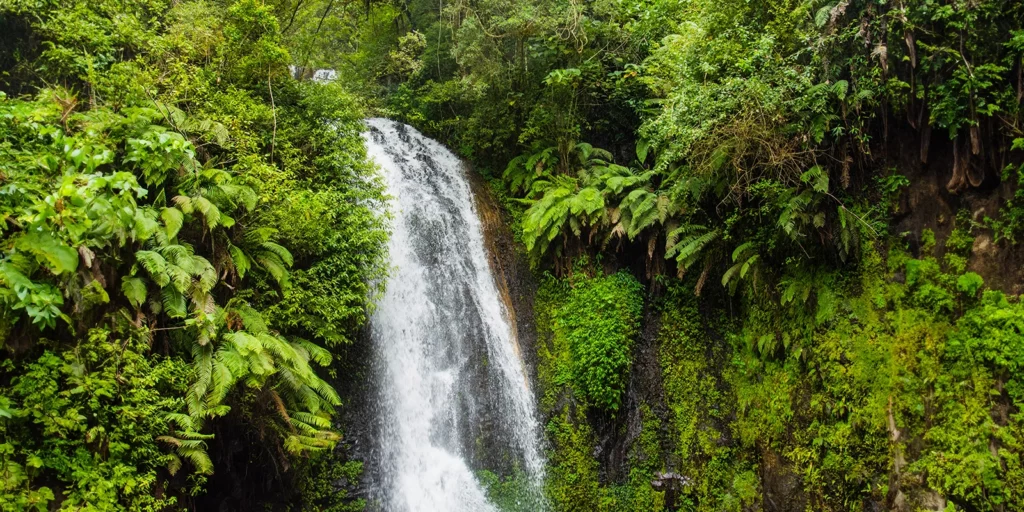
DONATE TO MADAGASIKARA VOAKAJY Verified for authenticity Learn More IMPACT PROMISE Our Partners are carefully selected due to their high conservation impact Partner Snapshot Partner Name Madagasikara Voakajy Location: Bobaomby Complex Protected Area, North Madagascar Appeal Category: Capacity Building and Training Scientific Research Ecosystem Restoration Key Species: Giant baobab tree Crowned lemur Blind Stone Skink Challenges And Threats: Forest fires Deforestation Climate change Actions: Strengthen community capacity to sustainably manage nature Ecological monitoring Restoration of endangered trees The Challenge Bobaomby, the area located between Ambodimadiro going north to Cap d’Ambre, is rich in biodiversity, yet is undergoing a massive forest loss due to land clearing, forest fires, extension of the farmland, and an increase in charcoal production. In 15 years, the loss of forest cover continues to vary, averaging over 700 acres per year. These forests are the habitat of many endangered species which we believe are in major decline. Understanding scientific data such as the ecology of our focal species will allow us to develop appropriate conservation plans. Urgent Solutions In a strenuous effort to preserve the Bobaomby forest, Madagasikara Voakajy is intensifying its protection efforts by already strengthening patrolling efforts with the fund obtained in June 2023. We plan to extend these efforts to strengthen forest protection through local patrols. Investing in scientific research will provide us with data that will help us establish the right management strategy to conserve target species. Why Your Donation Matters The Bobaomby zone is an area with several charcoal permits, but we have identified several charcoal production areas where it is not permitted. Furthermore, Bobaomby has several sacred places with intact forests with high potential for biodiversity wealth. Given that we have obtained authorization from the local leaders to access these places, we would like to continue our conservation actions in these places, secure the necessary funds for biological surveys, and establish sustainable resource management plans. Partner Qualifications IUCN Member Verified Partner Legally Constituted Top Accountability Effective Impact Conservation Action Heroes