
Last week, Rwanda celebrated a new generation of mountain gorillas at Kwita Izina, the country’s annual gorilla naming ceremony. Held in Kinigi at the foothills of Volcanoes National Park, the 21st edition of the event brought together communities, conservationists, researchers, and visitors to celebrate 22 newborn gorillas and the conservation efforts that make their future possible. Since the tradition began in 2005, 460 mountain gorillas have been named through Kwita Izina.
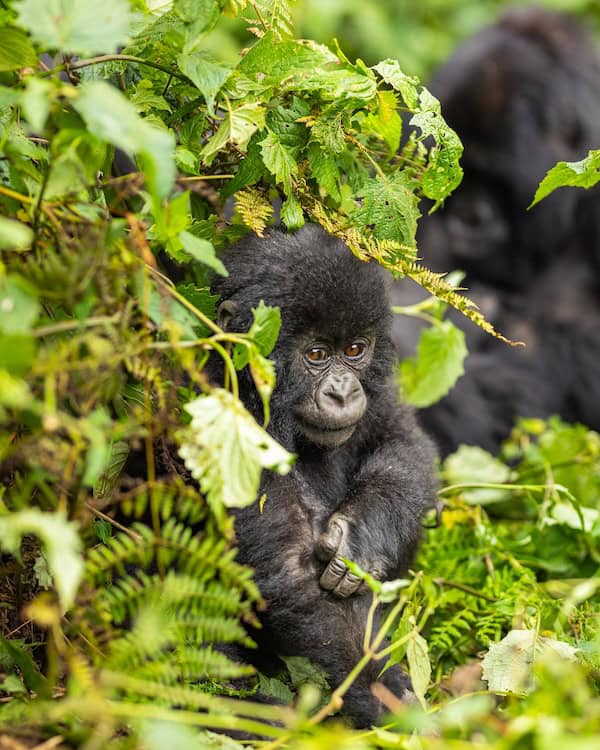
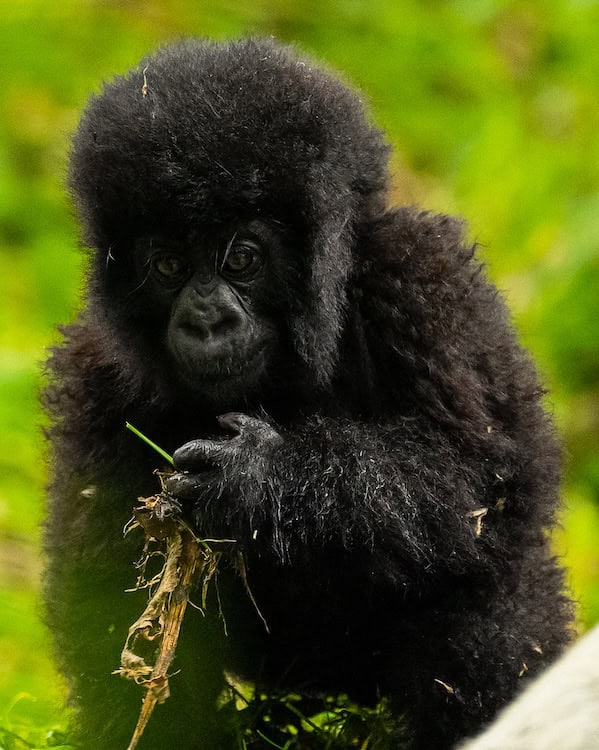
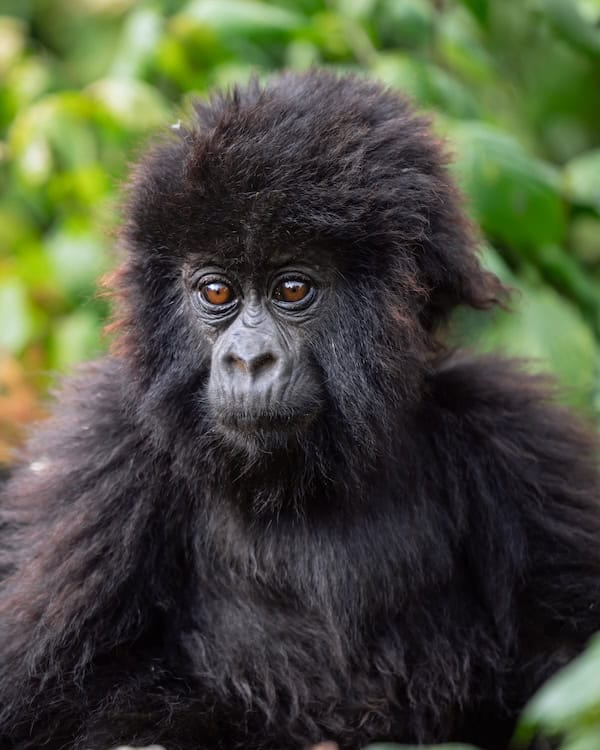
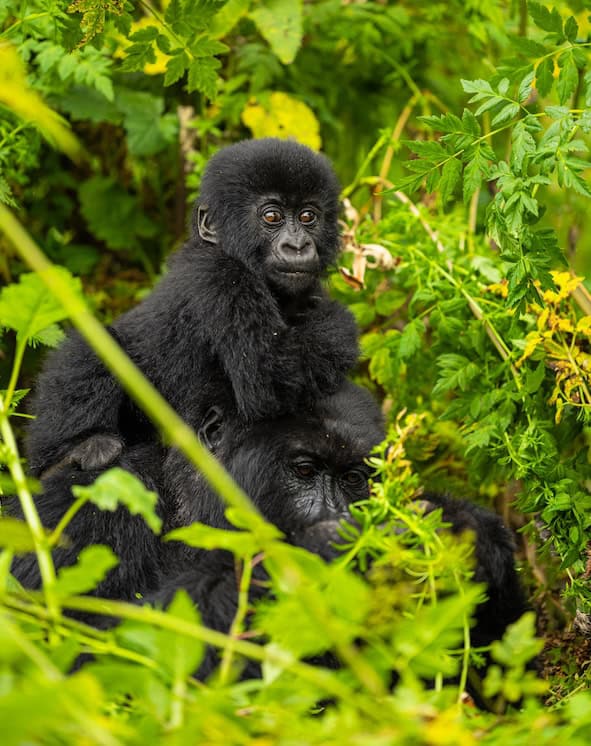
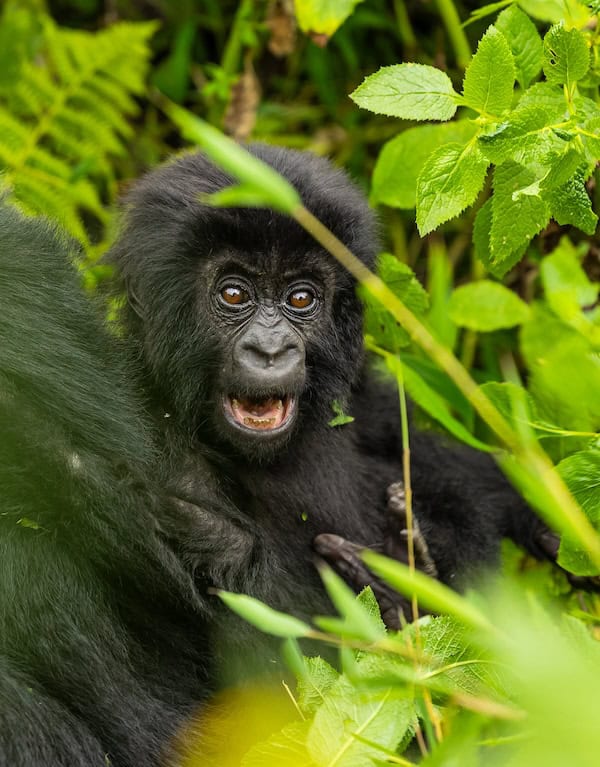
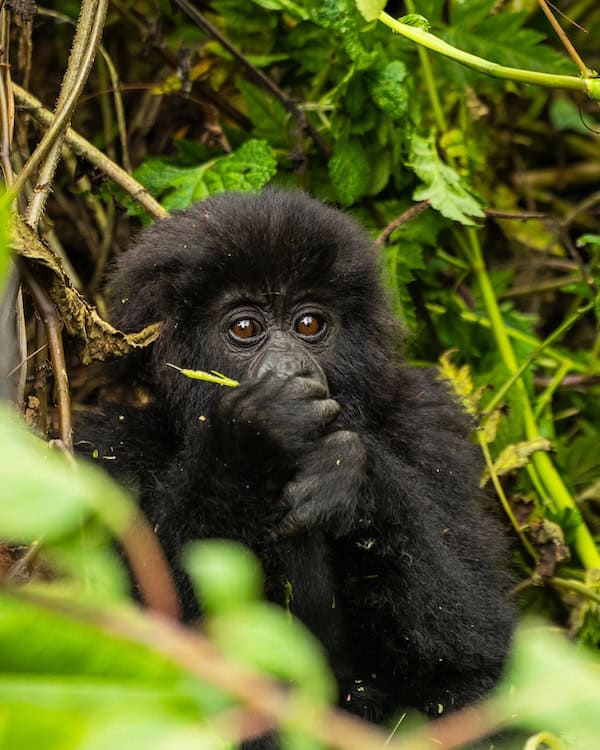
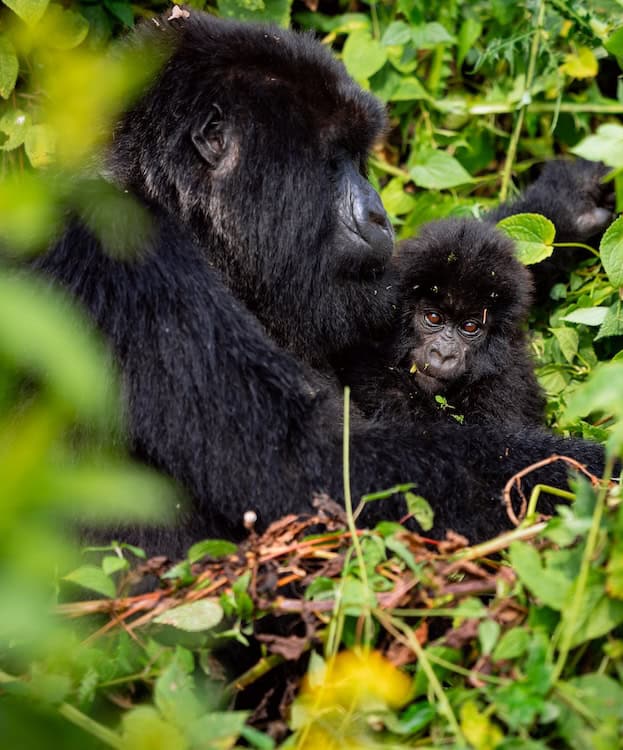
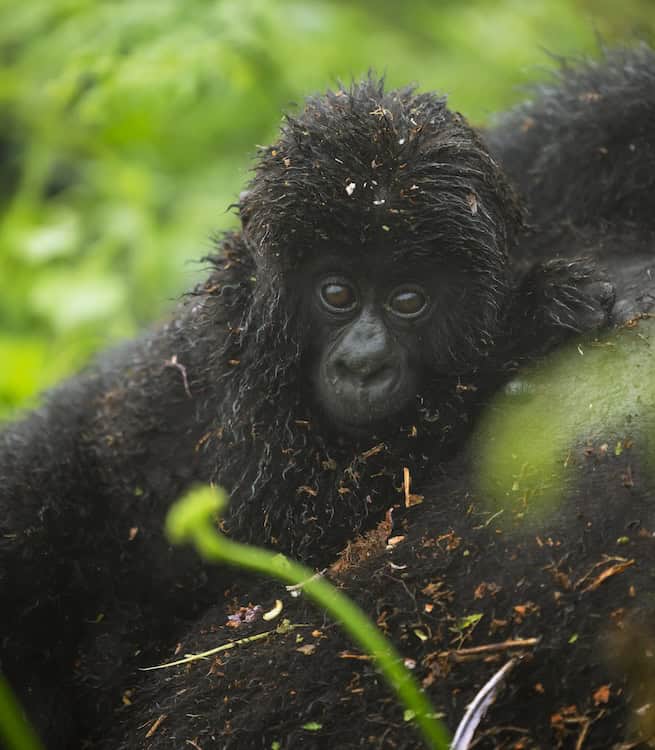
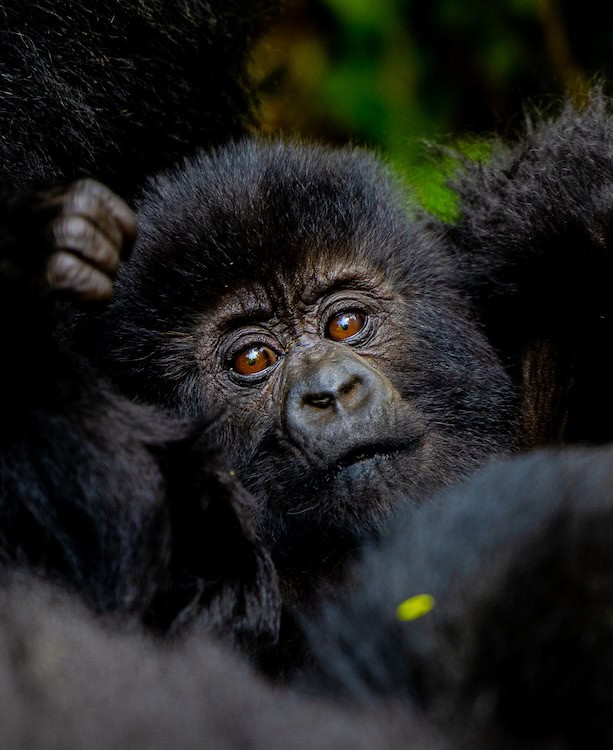
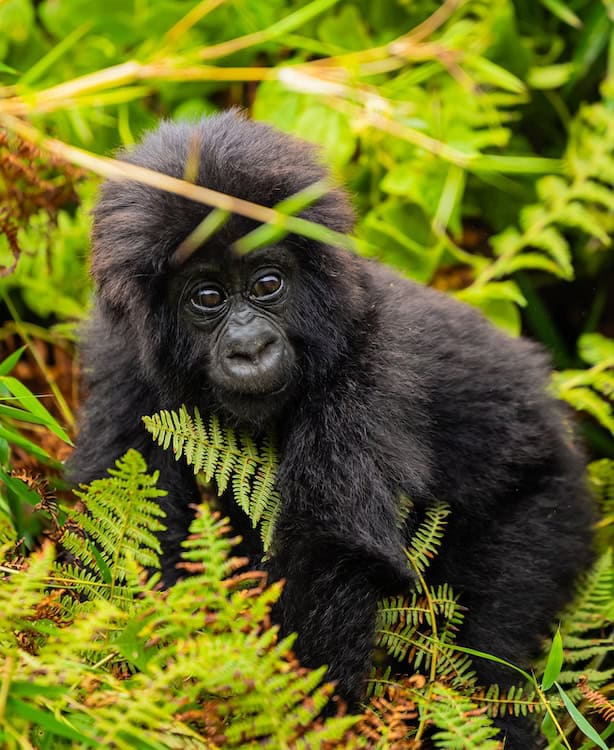
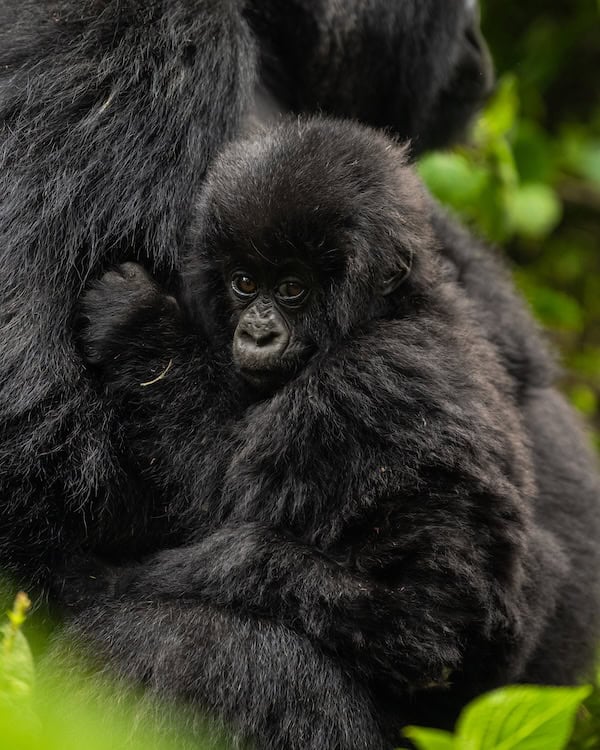
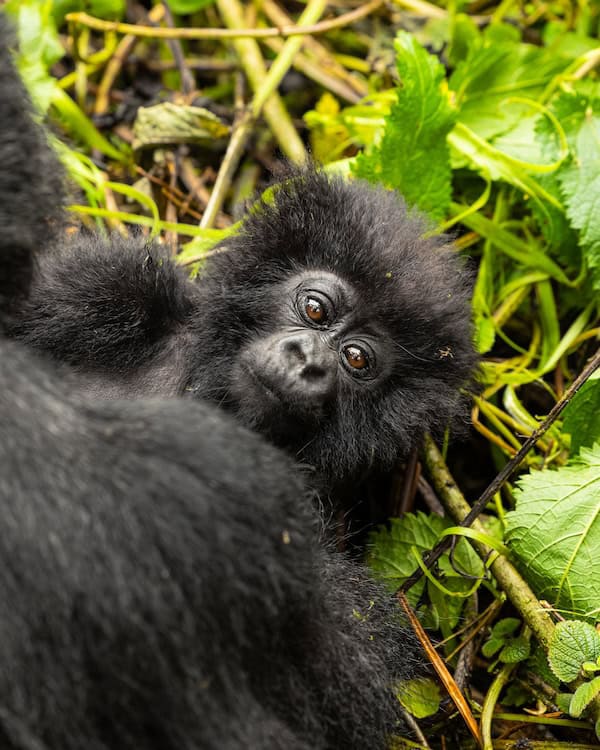
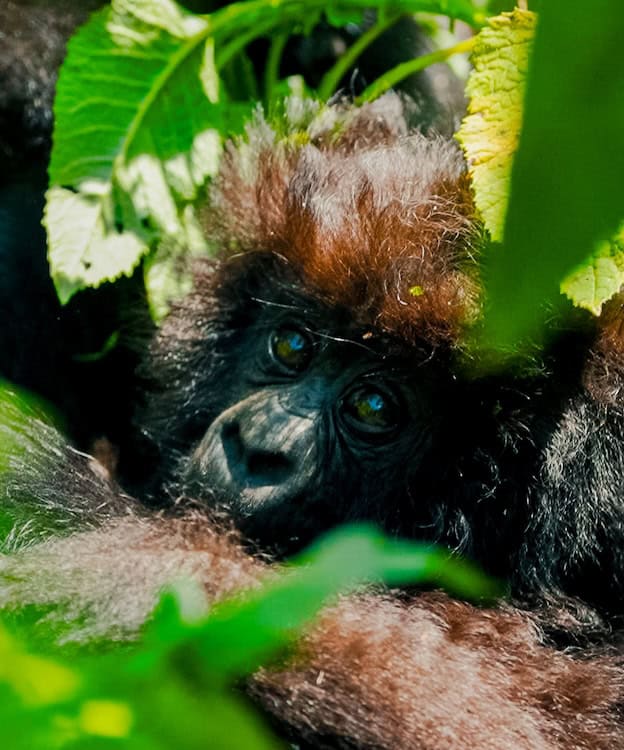
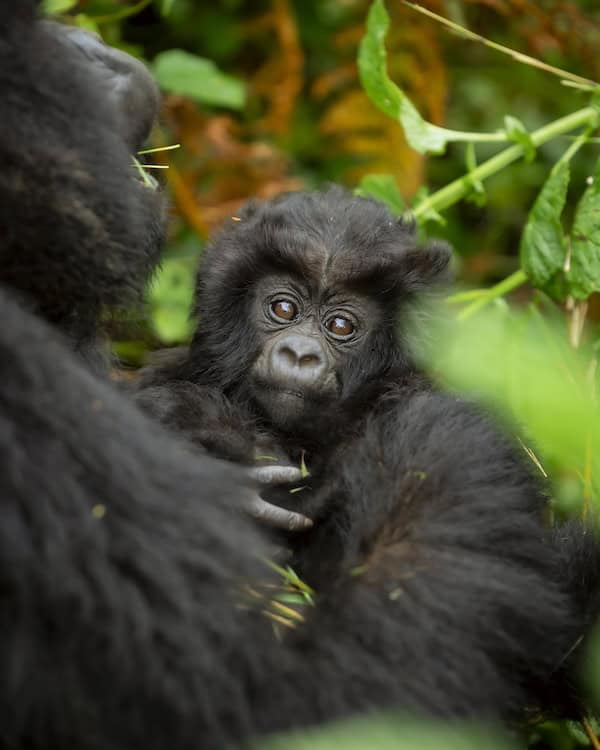
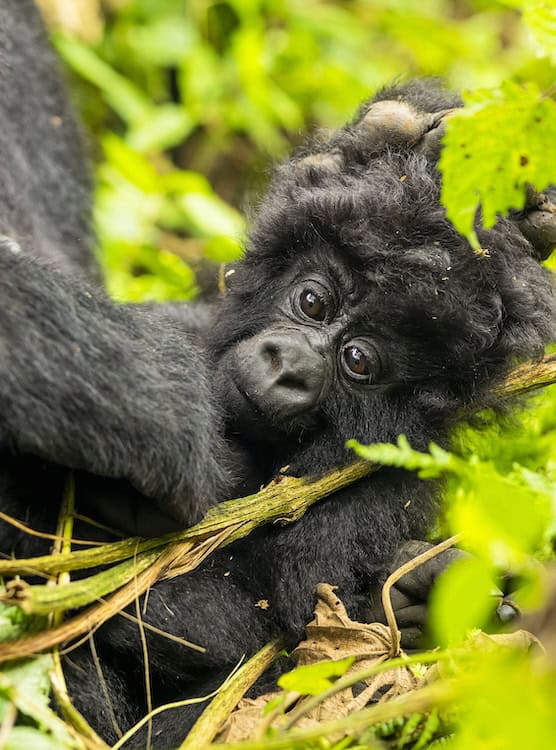
For the Mountain gorillas of the Virunga landscape, every new birth is worth celebrating. The species is Critically Endangered, with the most recent full census estimating 1,063 Mountain gorillas across their remaining range in Rwanda, Uganda, and the Democratic Republic of the Congo. Their recovery from fewer than 400 individuals in the early 1980s is one of conservation’s more hopeful stories, but their future still depends on protecting a small population and the limited habitat on which it relies.
That is where the work surrounding Volcanoes National Park becomes so important. Conservation here is not only about protecting gorillas inside the forest. It also means working with the people who live alongside the park, reducing conflict between people and wildlife, restoring habitat, and creating opportunities for communities to benefit from conservation.
For new Conservation Allies partner SACOLA (The Sabyinyo Community Livelihood Association), that connection between people and nature is at the heart of its work. Founded in 2004 by communities living around Volcanoes National Park, SACOLA works to conserve the park and its Mountain gorillas while supporting sustainable livelihoods for neighboring communities. SACOLA’s work has included community tourism, livelihood initiatives, and partnerships that channel tourism benefits toward local communities.
Today, SACOLA is also supporting conservation directly on the landscape. Its initiatives include restoring gorilla habitat through the planting of 100,000 indigenous trees, maintaining and rehabilitating the buffalo wall along the park boundary to help reduce human-wildlife conflict, and engaging women and young people as Community Eco-Guards. Together, these efforts reflect an important principle: protecting wildlife and supporting the people who live alongside it are not separate goals.
The naming ceremony is a celebration, but its deeper meaning reaches beyond a single day. A baby gorilla represents a future that conservationists, communities, and park staff are working to protect. Every healthy birth is a reminder of what sustained conservation can make possible—and of the responsibility to ensure these young gorillas inherit a forest where they can grow, form families, and thrive. As Rwanda celebrates another generation of Mountain gorillas today, Kwita Izina is an opportunity not only to celebrate their arrival, but to recognize the people and conservation efforts helping make that future possible.
Support SACOLA
SACOLA is restoring Mountain gorilla habitat around Volcanoes National Park—planting 100,000 indigenous trees, rehabilitating the buffalo wall that reduces conflict between wildlife and neighboring farms, and equipping community members as eco-guards along the park boundary. Mountain gorillas are Critically Endangered, and protecting a population this small depends on exactly this kind of work at the forest edge, where gorilla habitat meets farms and villages. 100% of all donations go straight to conservation.Donate to gorilla conservation