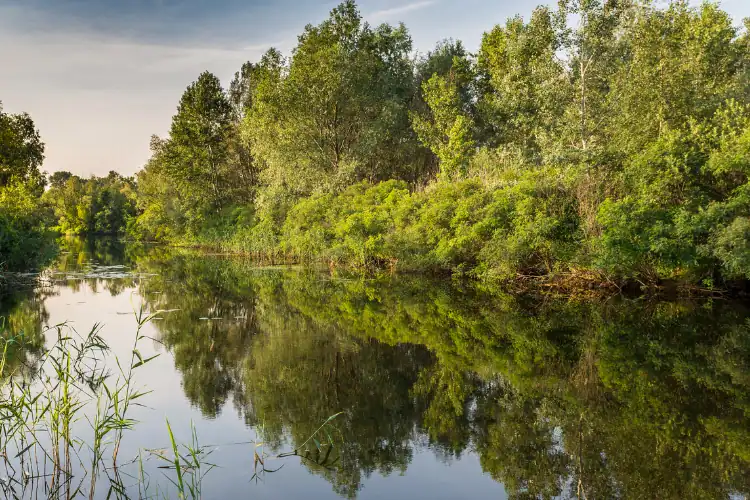
When bombs are falling, biodiversity doesn’t usually make the priority list.
Since 2022, as the Russian invasion has reshaped every aspect of life, pressure on Ukraine’s natural landscapes has intensified. Illegal logging, speculative development, and opportunistic land conversion have accelerated under the cover of crisis. For the Ukraine Nature Conservation Group (UNCG), a partner of Conservation Allies and Member of IUCN, this has made their mission more urgent—not less.
In 2025, their response was extraordinary. UNCG secured:
- 43 legal victories blocking harmful development projects.
- Ten new Protected Areas established, covering over 2,470 acres.
- Nearly 250,000 species observations recorded in the global GBIF biodiversity database—one of the largest annual contributions in Eastern Europe.
- And perhaps most remarkably, UNCG’s efforts accounted for 34% of all new Protected Areas established across the entire country in 2025.
These are not just conservation wins. They are acts of defense.
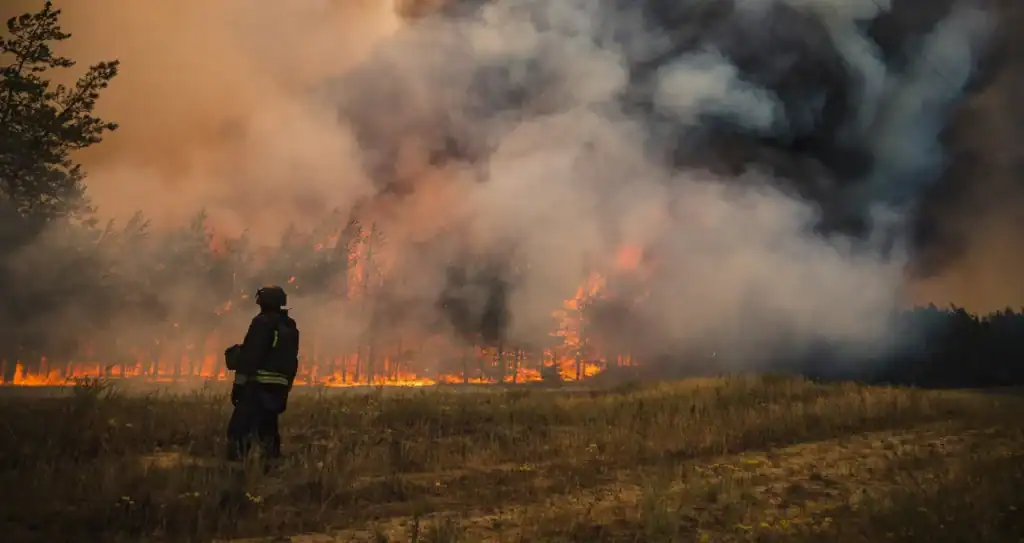
Conservation As Resistance
For UNCG, protecting nature during wartime is inseparable from protecting the country’s future. While global attention focuses—rightly—on the human toll of war, the environmental damage unfolding in parallel could shape Ukraine for decades.
Forests are being illegally cleared. Wetlands are being drained. Habitats are fragmented just as species face mounting stress from conflict.
UNCG has responded by turning to the law. Their 43 courtroom wins in 2025 didn’t just block individual projects—they established legal precedents that will protect Ukrainian landscapes for decades to come. One of the most significant milestones was securing protected status for Chorny Lis, a long-contested landscape now preserved for future generations.
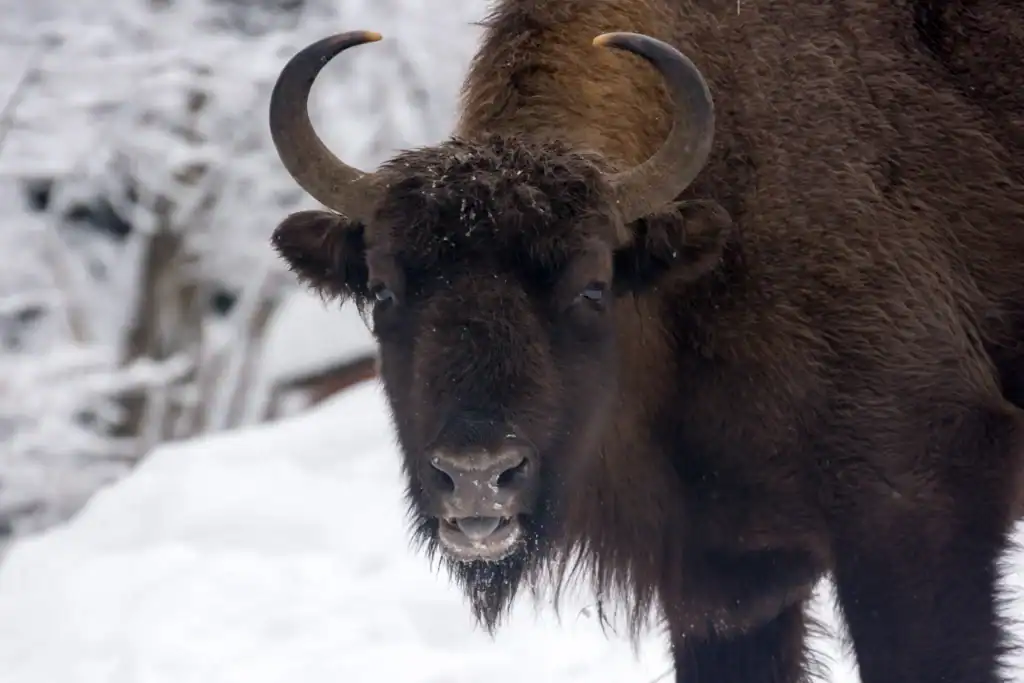
Building A Record Of Life
Even under sirens and blackouts, UNCG’s scientists have continued the painstaking work of documenting Ukraine’s biodiversity. Their 249,564 species observations added to GBIF in 2025 represent one of the largest single-year contributions from any conservation organization in Eastern Europe.
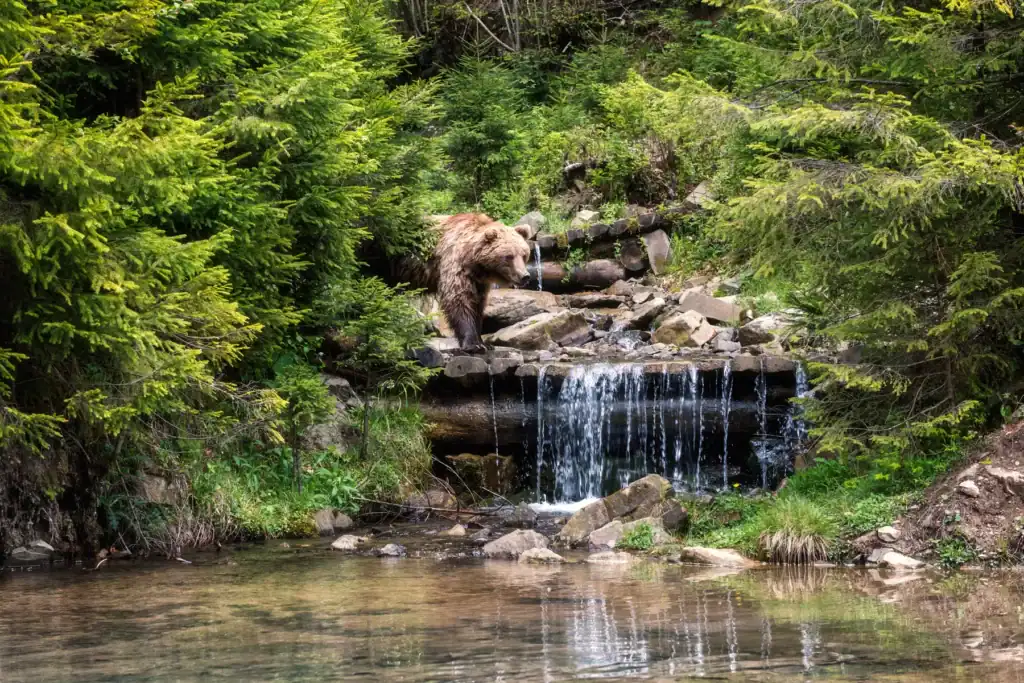
These observations are more than data points—they are proof.
Proof of what exists.
Proof of what is at risk.
Proof that these places matter.
This growing body of evidence will be critical when the war ends, providing the scientific foundation for rebuilding and strengthening Ukraine’s conservation system.
A Model Of Perseverance
UNCG operates underconditions that would haltmost organizations: air raid warnings, disrupted infrastructure, constant uncertainty. Yet their team continues—mapping habitats, filing cases, standing in defense of places that cannot defend themselves.
Their work challenges a common assumption: that conservation can wait.
In Ukraine, it cannot. And thanks to UNCG, it isn’t.