
Every day, rangers patrol Protected Areas, help enforce conservation laws, and gather the information needed to guide management decisions and protect wildlife over the long term.
The work is demanding. Rangers navigate difficult terrain in remote areas, often with limited resources, and in many places they face real risks while responding to illegal logging, poaching, and wildlife trafficking. And they depend on professional support: training, equipment, and funding.
Much of this work happens out of public view, but it is the foundation of effective Protected Area management.
When Life Experience Meets Science
One recent example from Guatemala highlights just how valuable a ranger’s experience can be. Earlier this year, Conservation Allies partner Defensores de la Naturaleza confirmed the presence of jaguars and pumas in the Sierra de las Minas Biosphere Reserve through camera traps, which. provided the scientific evidence needed to formally document their presence.
The monitoring effort relied on more than technology. It depended on the experience of park ranger Óscar Hernández, who has known the Sierra de las Minas since childhood. His understanding of the landscape—where wildlife travels, how animals move through steep mountain terrain, and which natural corridors they use—determined where the camera traps should be placed.
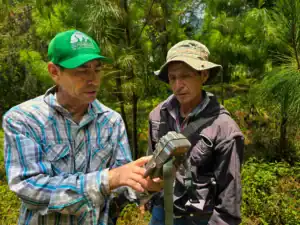
The results confirmed what rangers had long understood. Camera traps captured multiple independent records of pumas, along with images of both a male and female jaguar.
The findings also reinforced the importance of combining monitoring with local knowledge.
Many Roles, One Purpose
Half a world away, Hasina Eric Randriambololona has spent over a decade doing work that rarely makes headlines, but keeps a forest standing. Since 2012, he has served as a ranger at Manjakatompo Ankaratra, a Protected Area in Madagascar’s central highlands working with Association Natiora and with support from Conservation Allies.
Hasina patrols the Protected Area and collects field data on the forest and species, and, when fire season arrives, works with crews around the clock day and night to keep fires from entering the Protected Area.
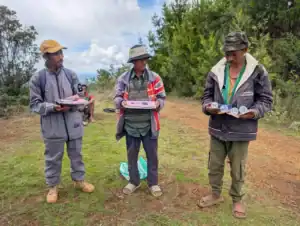
In Madagascar alone, rangers supported by Conservation Allies partners protect 91 Protected Areas, covering tens of thousands of miles of patrols annually through some of the world’s most unique and threatened ecosystems. Across our global partner network, rangers helped protect more than 15 million acres of critical habitat in 2025 alone.
Whether patrolling Madagascar’s highland forests or documenting jaguars in Guatemala’s mountains, rangers provide the knowledge and long-term presence that conservation depends on. Their work often happens out of public view, but it is essential to protecting wildlife, maintaining healthy ecosystems, and ensuring Protected Areas continue to safeguard biodiversity for generations to come. Global conservation targets depend on that work—and on continuing to invest in the people who do it.