
Save Colombia’s Chocó Rainforest

DONATE TO PROAVES Verified for authenticity Learn More IMPACT PROMISE Our Partners are carefully selected due to their high conservation impact Partner Snapshot Partner Name Fundación ProAves Location: Las Tángaras Nature Reserve, Chocó, Northwest Colombia Appeal Category: Ecosystem Restoration Endangered Species Protected Area Management Reforestation Wildlife Conservation Key Species: Gold-ringed tanager Black-and-gold tanager Baudo guan Colombian black spider monkey Harlequin poison frog Challenges And Threats: Critical 242-acre property at risk of deforestation Habitat fragmentation threatening endangered species Agricultural expansion pressures, including pasture and abattoir development Actions: Secure the property to expand Las Tángaras Reserve. Maintain forest corridors for wildlife connectivity. Protect cloud forest ecosystems and biodiversity. The Challenge Colombia’s Chocó bioregion, one of the wettest and most biodiverse places on Earth, is vanishing at an alarming rate. More than 70% of its rainforest has already been lost, leaving only scattered remnants capable of supporting its astonishing wildlife. At the heart of this landscape lies the 9,960-acre Las Tángaras Reserve, one of the last intact strongholds for species found nowhere else. Its cloud forests shelter critically threatened wildlife, including the Gold-ringed tanager and the Colombian black spider monkey. But this refuge is now in immediate danger. A 242-acre property located inside the reserve boundary is scheduled for sale before year-end. If ProAves cannot secure it in time, it will be converted to cattle pasture and an abattoir triggering deforestation that would fragment the reserve, destroy habitat, and jeopardize the survival of its endangered species. This is one of the last unprotected properties directly bordering Las Tángaras Reserve. Losing it would break the forest corridor and tear apart the ecological continuity the entire ecosystem depends on. Urgent Solutions ProAves urgently seeks to purchase the 242-acre property to secure it forever. Your support will: Protect a rainforest and Cloud forest twice the size of Vatican City, sheltering ~68,600 mature trees. Prevent the release of 90,000 metric tons of stored CO₂ equivalent to the electricity use of 1,200 homes for a decade. Complete a unified 9,960-acre conservation corridor, strengthening habitat connectivity for threatened birds, mammals, and amphibians. Safeguard cloud forest headwaters that feed the Atrato River, a lifeline for Afro-Colombian communities downstream. Permanently protect one of Colombia’s most endangered biodiversity corridors at a critical moment. Why Your Donation Matters If this property is not secured before the end of the year, forest clearing will begin and the damage will be irreversible. This is a one-time opportunity to save a vital tract of rainforest that stabilizes climate, protects water systems, and shelters species found nowhere else on Earth. And right now, every donation is doubled, protecting twice as much rainforest when it matters most. Your Impact (Matched 1:1):$100 — Protects 9,720 sq. ft. of rainforest$250 — Protects 24,280 sq. ft. of rainforest$1,000 — Protects 97,200 sq. ft. of rainforest Every gift in your name helps secure irreplaceable habitat and keeps the Chocó’s extraordinary wildlife alive, forever. Partner Qualifications IUCN Member Verified Partner Legally Constituted Top Accountability Effective Impact Conservation Action Heroes
Save 1,000 Giant Trees in the Western Ghats

DONATE TO AERF Verified for authenticity Learn More IMPACT PROMISE Our Partners are carefully selected due to their high conservation impact Partner Snapshot Partner Name Applied Environmental Research Foundation (AERF) Location: Western Ghats, India Appeal Category: Community Support & Development Ecosystem Restoration Reforestation Challenges And Threats: Widespread deforestation and habitat fragmentation Degraded forest patches leading to biodiversity loss and soil erosion Climate stress and invasive species affecting tree survival Actions: Planting and enrichment of giant native trees in degraded areas Restoring connectivity between fragmented forest patches Community training and engagement for long-term forest stewardship The Challenge The Western Ghats, a UNESCO World Heritage Site, are home to rich biodiversity and vital forest ecosystems. Many areas in this landscape have suffered extensive degradation due to deforestation, habitat fragmentation, and climate stress. Giant native trees, which are critical for maintaining forest structure, supporting wildlife, and regulating water and soil, are disappearing at an alarming rate. This loss of canopy trees not only threatens countless plant and animal species but also undermines the livelihoods of local communities who rely on the forests for clean water, food, and sustainable income. Without immediate restoration, degraded forests will continue to deteriorate, leading to further habitat loss, increased soil erosion, and diminished ecosystem resilience. Urgent Solutions To address these urgent threats, AERF is implementing a holistic restoration strategy focused on ecological and community resilience: Native Tree Planting & Enrichment: Planting and nurturing giant native tree species in degraded forest patches to restore canopy cover and structural diversity. Forest Connectivity: Reconnecting fragmented forests to enable wildlife movement, improve ecological processes, and maintain biodiversity. Community Engagement & Capacity Building: Training local villagers in tree propagation, planting, and long-term forest monitoring, fostering stewardship and sustainable livelihoods. These actions aim to restore forest health while ensuring that communities are active partners in conserving and benefiting from these landscapes. Why Your Donation Matters Your support will directly contribute to protecting over 1,000 giant native trees, restoring ecological balance, and reviving critical forest corridors. Donations empower local communities to manage and care for forests sustainably, ensuring the benefits of restoration last for generations. With your help, AERF can strengthen both natural and human resilience—enhancing biodiversity, stabilizing soils, improving water retention, and creating opportunities for local livelihoods. Every contribution advances a model of forest restoration that combines conservation success with community well-being, ensuring the Western Ghats’ giant trees stand well into the future. Partner Qualifications IUCN Member Legally Constituted Effective Impact
Support the Peruaçu Communities in Coping with the Water Crisis

DONATE TO EKOS BRASIL Verified for authenticity Learn More IMPACT PROMISE Our Partners are carefully selected due to their high conservation impact Partner Snapshot Partner Name Instituto Ekos Brasil Location: Vale do Peruaçu, Minas Gerais, Brazil (Januária, Itacarambi, and São João das Missões) Appeal Category: Community Support & Development Protected Area Management Reforestation Key Species: Rock Cavy Cougar & Mountain Lion Hoary Fox Bush Dog Giant Anteater Narrow-billed Woodcreeper Boa Constrictor Challenges And Threats: Forest fires Intense deforestation Water crisis Soil degradation Actions: • Contribute to water security and increase the availability and quality of waterin the region• Identify more sustainable income-generating activities and productionpractices aligned with the conservation of natural resources and localbiodiversity• Highlight the vital role of Indigenous communities in protecting and conservingnatural resources and biodiversity The Challenge The Brazilian Cerrado is a vast tropical savanna that covers more than 20% of the national territory and is the second-largest biome in the country. Over half of its native vegetation has been converted for agribusiness, making the region a major global supplier of soy. Scientists are increasingly concerned about how these land use changes may affect the future of the biome and its communities—especially given the Cerrado’s higher vulnerability to climate change and drought compared to other regions in Brazil. This project, led by Instituto Ekos Brasil, focuses on the Peruaçu Cluster, part of the Sertão Veredas–Peruaçu Mosaic (MSVP) in Minas Gerais. The area spans five municipalities, with a total population of 118,233 inhabitants. Located within Brazil’s Drought Polygon, the Peruaçu region faces harsh conditions such as irregular rainfall, high temperatures, and low water reserves—leading to water insecurity, social vulnerability, and rural exodus, particularly among the youth. Water scarcity is considered the most pressing issue in the region. The Mosaic lies within a watershed with a negative water balance, and the unregulated use of groundwater has intensified the crisis. Another critical challenge is the high incidence of wildfires, some of which are illegal and others characteristic of the biome, but increasingly worsened by prolonged dry periods. Despite these threats, the region plays a vital role in conserving the Cerrado’s biodiversity. The Peruaçu Caves National Park and the Peruaçu Caves Environmental Protection Area are especially important for local communities, who rely on their natural and cultural heritage as sources of income aligned with conservation. These landscapes represent not only ecological value, but also the cultural and economic resilience of traditional populations. Urgent Solutions To address the escalating climate and water crisis in the Peruaçu region, Instituto Ekos Brasil has developed a rapid-response package of nature-based, community-driven solutions that are ready for implementation in the most severely impacted areas. Their proposed interventions include: Installing rainwater harvesting cisterns to immediately improve household water access and reduce dependence on overdrawn underground sources; Creating productive home gardens with native Cerrado species to support food security and diversify income in a landscape where water is increasingly scarce; Restoring degraded springs and riparian zones to safeguard the region’s fragile water sources; Conducting on-the-ground climate risk mapping, co-created with local communities, to guide future adaptation efforts; Hosting community workshops that integrate scientific and traditional knowledge, empowering residents to become local leaders in climate resilience. These solutions are low-cost, scalable, and rooted in traditional livelihoods. With donor support, they can be launched within the first 12 months of the project, directly benefiting over 30 families and contributing to the stabilization of a vital ecosystem. Why Your Donation Matters The implementation of this project will enable these marginalized communities, who are directly affected by the impacts of climate change but play a crucial role in the conservation and stewardship of ecosystems, to not only survive with dignity but also overcome their vulnerabilities in the face of the ongoing climate and water crisis affecting the region. Partner Qualifications IUCN Member Verified Partner Legally Constituted Top Accountability Effective Impact Conservation Action Heroes
Instituto Ekos Brasil

DONATE TO EKOS Verified for authenticity Learn More IMPACT PROMISE Our Partners are carefully selected due to their high conservation impact Partner Snapshot Partner Instituto Ekos Brasil Location São Paulo, Brazil Category Community Support & Development Protected Area Management Reforestation Urgent Appeals Support the Peruaçu Communities in Coping with the Water Crisis Date Founded 2001 Website www.ekosbrasil.org Partner Qualifications IUCN Member Verified Partner Legally Constituted Effective Impact About Instituto Ekos Brasil Instituto Ekos Brasil is a Brazilian non-profit organization with over 20 years of experience designing and implementing high-impact initiatives for biodiversity conservation and sustainable development. They bring together technical excellence, deep territorial knowledge, and a strong network of partners to deliver lasting, nature- based solutions. Their work is rooted in the understanding that conservation and community development are inseparable. Since 2002, they have been active in northern Minas Gerais, in the heart of the Cerrado biome—one of the most biodiverse savannas on the planet and a critical ecosystem for climate regulation and water security in South America. In the region of the Peruaçu Caves National Park—a site of immense ecological and cultural significance—they supported the development of the park’s management plan and the implementation of key infrastructure. Since 2017, they have maintained a formal cooperation agreement with ICMBio (Chico Mendes Institute for Biodiversity Conservation)—the Brazilian federal agency responsible for managing national parks and other protected areas—to develop and implement projects both within the park and in its surrounding areas. Their initiatives promote sustainable livelihoods, strengthen community engagement, and enhance territorial resilience in a region facing increasing social and environmental pressures. Since 2020, Ekos has served as the Executive Secretariat of the Sertão Veredas Peruaçu Mosaic, a collaborative platform uniting over 40 institutions. This role enables us to strengthen regional governance and catalyze integrated actions for conservation, climate adaptation, and inclusive development across this strategic portion of the Cerrado. Their Challenges The Peruaçu River Basin, in northern Minas Gerais, Brazil, is experiencing one of the most severe socio-environmental crises in the country. The region is suffering from soil degradation, advanced erosion, and acute water scarcity. Classified by Brazil’s Ministry of the Environment as an area susceptible to desertification, the basin is also labeled “highly critical” for water availability by the São Francisco River Basin Plan. Recent scientific studies show that the last four decades were the driest in the past 700 years. These extreme climatic conditions are reducing groundwater recharge and threatening the livelihoods of over 25 traditional communities—including Indigenous groups — quilombolas, veredeiras, and vazanteiras who depend on this landscape for survival. The degradation is driven by climate change, unregulated land use, and lack of environmental governance. Without urgent intervention, the region faces a future of deepening ecological collapse and social vulnerability. Their Approach Instituto Ekos Brasil has worked in the Peruaçu region for nearly 20 years, combining science, local knowledge, and inclusive governance to drive sustainable solutions. Through a formal cooperation agreement with ICMBio, Brazil’s federal agency for protected areas, Ekos supports conservation actions in the Peruaçu Caves National Park and surrounding territories. Their approach integrates: • Spring mapping and restoration of degraded water sources • Community-led conservation and environmental education • Implementation of social technologies for water access and climate adaptation • Strengthening of territorial governance, through coordination of over 40 institutions in the Sertão Veredas–Peruaçu Mosaic They believe lasting change happens when communities are empowered, science guides action, and investments focus on long-term resilience. Their work not only protects biodiversity—it sustains life, culture, and hope in one of Brazil’s most vulnerable regions. Why They Need Your Help Your donation helps us respond to the urgent and complex challenges of the Peruaçu River Basin. Despite the region’s ecological and cultural importance, it receives limited national and international investment. With your support, Instituto Ekos Brasil will: • Restore degraded springs and riparian areas vital to water security • Train and mobilize traditional communities to lead restoration and adaptation efforts • Expand conservation initiatives within and beyond protected areas • Promote nature-based solutions that regenerate landscapes and protect biodiversity Each contribution strengthens our ability to act at scale and with integrity. This is not just about protecting a place—it is about securing climate resilience, water access, and social equity in one of Brazil’s most threatened and overlooked territories.
Protect Green Spaces and Urban Wildlife
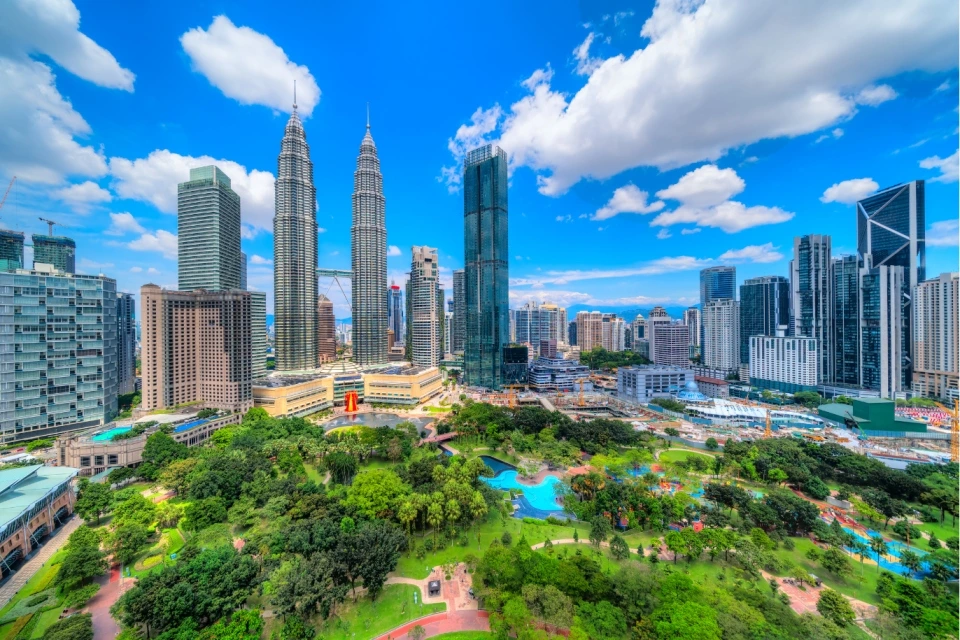
DONATE TO MALAYSIAN NATURE SOCIETY Verified for authenticity Learn More IMPACT PROMISE Our Partners are carefully selected due to their high conservation impact Partner Snapshot Partner Name Malaysian Nature Society Location: Kuala Lumpur, Malaysia Appeal Category: Community Support & Development Ecosystem Restoration Reforestation Key Species: Sunda pangolin Sunda slow loris White-thighed surili Challenges And Threats: Habitat fragmentation Climate Change Inadequate Legal Protections of Nature Actions: Reforestation of Green Spaces with Local Communities Native Tree Nursery Management by Indigenous People Advocacy for Policy Reformation to Safeguard the Environment The Challenge Kuala Lumpur, located in Malaysia’s Klang Valley, has witnessed decades of urban expansion, driving economic growth at the cost of its ecosystems. Natural habitats have been fragmented, isolating wildlife populations like the Sunda Pangolin and Sunda Slow Loris, which face inbreeding risks due to limited mobility. Birds struggle to navigate fragmented green spaces, while aquatic species suffer from polluted waterways caused by industrial and residential runoff. Climate change compounds these issues, with rising temperatures, erratic weather, and longer droughts punctuated by severe storms and flooding. Vulnerable communities, including Indigenous Peoples and marginalized groups, are disproportionately affected but lack the resources to adapt. Efforts to conserve green spaces face legislative barriers, as conflicting property rights and environmental regulations hinder grassroots initiatives. Striking a balance between individual property rights and the need for sustainable, accessible green spaces has become increasingly difficult. Without action, these ecosystems—and the benefits they provide to the community—are at risk of vanishing. Urgent Solutions The Malaysian Nature Society (MNS) is addressing these challenges through the Rantaian Urban Green Spaces (RUGS) initiative. This project collaborates with NGOs, government bodies, academic institutions, and Indigenous communities to restore degraded areas with native vegetation and connect green spaces. MNS emphasizes capacity-building workshops, awareness campaigns, and policy advocacy to strengthen legal protections for urban green spaces. These efforts aim to ensure walkability, sustainability, and inclusive participation across society, transforming Klang Valley into a livable, sustainable city. A key success has been engaging the Indigenous People of Kampung Orang Asli Sungai Buloh. By partnering with this community, MNS is supporting the establishment of an Indigenous-run nursery for native plants, blending traditional knowledge with conservation practices to steward urban green spaces sustainably. Why Your Donation Matters The challenges of deforestation, climate change, and legal barriers threaten Klang Valley’s ecosystems. Your donation will help MNS to implement sustainable solutions: Reforestation with Local Communities MNS is working with local communities to restore habitats and create green corridors that support wildlife, promote recreation, and mitigate climate change. Indigenous-Led Native Tree Nurseries Supporting Indigenous communities to manage tree nurseries ensures the sustainability of reforestation efforts and strengthens local economies. Policy Advocacy for Green Space Protection Your contribution will empower MNS to advocate for stronger environmental laws and constitutional amendments, safeguarding green spaces from unsustainable development. Together, we can protect and restore Klang Valley’s green spaces for future generations. Partner Qualifications IUCN Member Verified Partner Legally Constituted Top Accountability Effective Impact Conservation Action Heroes
Save The Mangroves Of Cambodia
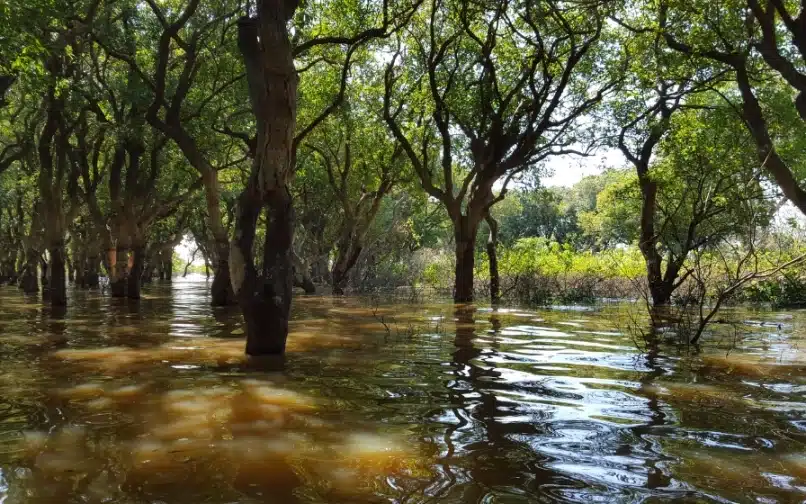
DONATE TO NGOF Verified for authenticity Learn More IMPACT PROMISE Our Partners are carefully selected due to their high conservation impact Partner Snapshot Partner Name NGO Forum on Cambodia (NGOF) Location: The Chrolong fishery community, the Preynop district, and the Sihanoukvile province (Cambodia) Appeal Category: Community Support and Development Ecotourism Reforestation Key Species: Mangrove Sea Dolphin Ell Challenges And Threats: Mangrove deforestation Land encroachment Wastewater pollution of the environment from near communities Actions: Capacity development Environmental site management and strategic planning Nursery management and tree planting Hospitality and ecotourism services The Challenge The coastal communities of Cambodia, located in a region abundant with natural resources and biodiversity, are facing significant environmental conservation challenges. Community leaders and local authorities lack the capacity to manage these areas effectively and illegal fishing and deforestation are prevalent, driven by the financial struggles many community members face. The community has very limited financial resources to support patrol efforts to protect its natural resources and biodiversity. Urgent Solutions Their urgent solutions include: Policies and Laws Influence (PALI): NGO Forum on Cambodia collaborates closely with citizens to gather their input on new laws and policies, and engages with policymakers to discuss key recommendations. The goal is to ensure that new bills and policies are inclusive and cause no harm to nature or society. Promoting Solidarity Actions for Community Harmonization and Sustainability (SACHAS): NGOF works with all stakeholders at the grassroots level to assess their capacity and resources, both natural and man-made. This initiative also provides capacity-building support and financial resources to help communities pursue sustainable development while protecting and conserving natural resources and biodiversity, locally and beyond. Strengthening Resilient, Innovative, and Transformative Institutions (RITI): NGOF supports grassroots and community-based organizations, along with civil society groups, to strengthen their capacity in organizational development, program design, resource mobilization, and advocacy. Once empowered, these organizations can effectively contribute at both policy and community levels, promoting natural resource and biodiversity conservation alongside long-term livelihood development. Why Your Donation Matters It is essential to strengthen NGO Forum on Cambodia’s capacity to manage and conserve natural resources and biodiversity. This will help protect and increase many populations of Cambodia’s endangered species. Additionally, the livelihoods of community members will improve through ecotourism activities and sustainable development. Mangroves absorb carbon and contribute to climate change resilience. By supporting this effort, you will play a key role in creating a lasting legacy for both nature and humanity. Partner Qualifications IUCN Member Verified Partner Legally Constituted Top Accountability Effective Impact Conservation Action Heroes
ADHET Chad

DONATE TO ADHET Verified for authenticity Learn More IMPACT PROMISE Our Partners are carefully selected due to their high conservation impact Partner Snapshot Partner The Alliance of Human Rights and Environmental Defenders (ADHET) Location Chad, Africa Category Community Support and Development Capacity Building and Training Reforestation Urgent Appeals Help Purchase Tree Nurseries To Save Chad’s Forests Date Founded 2011 Website www.alliance-adhet.org Partner Qualifications Verified Partner Legally Constituted Effective Impact About ADHET ADHET is a coalition of human rights associations, individuals, defenders of human rights, and advocates for nature, dedicated to prioritizing environmental protection alongside the defense of human rights. The association comprises active and supportive members, including young men, women, and key resource individuals. ADHET’s primary mission is to advance the causes of human rights and environmental protection. It serves as a platform for raising awareness, mobilizing citizens, and training them to adopt behaviors that promote environmental conservation. The organization also fights against legal abuses and human rights violations while promoting a culture of peace, environmental protection, and combating desertification nationwide. ADHET has established a presence in 55% of the national territory. Their Challenges Like many other nations, Chad is grappling with the damaging effects of climate change. Due to its geographic location, the country faces several environmental issues, including: Rapid desertification Destruction of forests and wildlife Limited access to information, education, and training on environmental matters The use of harmful, unapproved pesticides and herbicides ADHET is dedicated to tackling these challenges and mitigating the environmental pressures Chad is experiencing. Their Approach ADHET employs effective techniques and approaches to help reverse Chad’s environmental degradation by fostering behavioral change, shifting mindsets, and raising community awareness. Our initiatives include: Conducting extensive training and educational campaigns, using visual and instructional materials to highlight the importance of environmental protection. Raising awareness of environmental laws to ensure compliance and conservation efforts. Leading reforestation projects in targeted areas and managing tree nurseries, where young plants are made available to the public at subsidized prices. Why They Need Your Help By supporting ADHET, you are investing in a vital force for environmental transformation in Chad. ADHET is uniquely positioned to address the country’s most pressing environmental challenges, including desertification, deforestation, and the lack of environmental education. Through proven techniques, ADHET empowers communities by raising awareness, providing essential training, and fostering a culture of environmental stewardship. Their impactful initiatives include engaging awareness campaigns, distributing key environmental protection resources, and leading reforestation efforts that not only restore vital ecosystems but also make affordable young plants accessible to local communities. Your donation will enable ADHET to continue and expand these crucial programs, creating a lasting impact in the fight against environmental degradation and ensuring a sustainable future for Chad.
Lemurs! Madagascar’s Treasure Needs Your Help
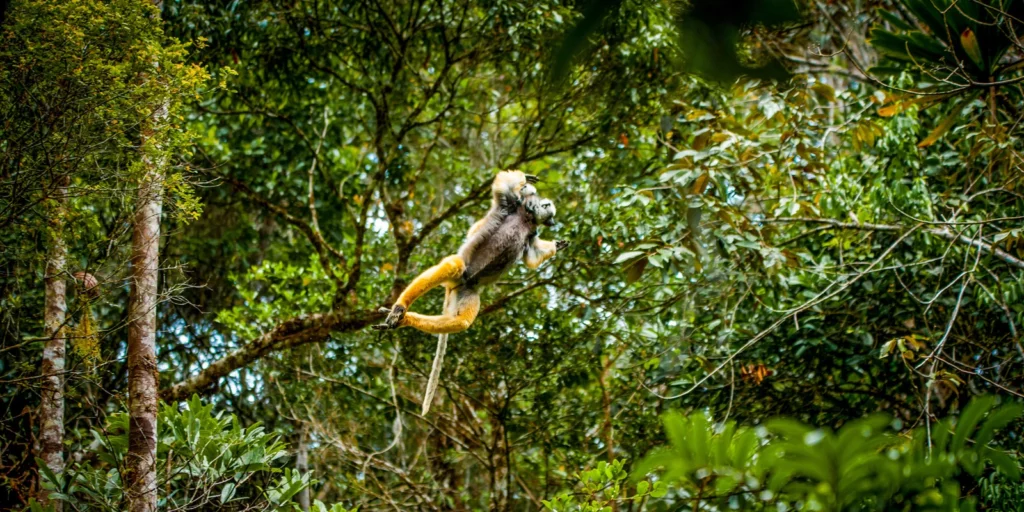
DONATE TO GERP Verified for authenticity Learn More IMPACT PROMISE Our Partners are carefully selected due to their high conservation impact Partner Snapshot Partner Name GERP Madagascar Location: Maromizaha in Madagascar Appeal Category: Ecotourism Reforestation Scientific Research Key Species: Indri Gray-headed Lemur Coquerel’s Sifaka Challenges And Threats: Illegal poaching Cattle ranching Charcoal production Actions: Community outreach Law enforcement Protection patrols The Challenge Lemurs, Madagascar’s most iconic and endangered primates, are facing an unprecedented crisis. Their lush rainforest habitats are vanishing at an alarming rate, due to deforestation, habitat destruction, and the illegal wildlife trade. As a result, lemurs are on the brink of extinction, and their unique biodiversity is at risk of being lost forever. These captivating creatures, found nowhere else on Earth, play a critical role in their ecosystems. To combat this urgent crisis, GERP Madagascar is dedicated to protecting lemurs and preserving their habitats. Support for their efforts will make a real difference in overcoming these challenges and ensuring a brighter future for lemurs in Madagascar. Together, conservation partners can be the lifeline these incredible animals desperately need. Urgent Solutions The time to act is now. Lemurs in Madagascar can’t wait. With proper support, GERP Madagascar is implementing critical solutions to protect these beloved primates. Donations fund essential actions, including habitat preservation, anti-poaching efforts, community engagement, education, and scientific research. GERP is working tirelessly to halt habitat destruction and the illegal wildlife trade, ensuring that lemurs can thrive once more. By contributing today, supporters become a vital part of these urgent solutions, making a profound impact on the survival of lemurs and the preservation of Madagascar’s rich biodiversity. Conservation partners can join this race against time to secure a future where lemurs continue to enchant the world. Why Your Donation Matters Lemurs are not just charismatic animals; they are guardians of Madagascar’s exceptional biodiversity. Their survival is intertwined with the preservation of unique ecosystems found nowhere else on our planet. By protecting lemurs, GERP protects the very essence of Madagascar’s natural heritage. These remarkable creatures serve as ambassadors for the urgent need to conserve our environment and the delicate balance of life on Earth. Action is needed now. By supporting GERP Madagascar, donors are taking a stand for lemurs, for biodiversity, and for our planet’s future. Contributions are more than donations; they’re commitments to safeguarding the wonders of our world. Together, GERP and its supporters can make a lasting difference, ensuring that Madagascar remains a sanctuary for biodiversity and the enchanting home of lemurs. Partner Qualifications IUCN Member Verified Partner Legally Constituted Top Accountability Effective Impact Conservation Action Heroes Lemurs! Madagascar’s Treasure Needs Your Help Lemurs, Madagascar’s most iconic and endangered primates, are facing unprecedented rates of deforestation and illegal wildlife trade. With your support, GERP is implementing critical solutions to protect these beloved primates. Donations fund habitat preservation, anti-poaching efforts, community engagement, education, and research. Raised so far $0 Goal $10K 0% funded APPEAL Snapshot Partner Naturaleza, Tierra y Vida (NATIVA) Location Gran Paisajes del Chaco, Chiquitania y Pantanal, Bolivia Appeal Category Protected Area Management Wildlife Conservation Community Support and Development Key Species Jaguar, Chaco peccary, Lowland tapir Partner Qualifications IUCN Member Legally Constituted Effective Impact The Challenges Bolivia is in the middle of an escalating wildfire crisis. Prolonged drought, rising temperatures, and unsustainable land use have pushed the Chaco, Chiquitania, and Pantanal into increasingly frequent megafires. Each fire season destroys critical habitat, degrades soils and waterways, and puts Indigenous and rural communities at risk. Many protected landscapes still lack the equipment, early-warning systems, and trained brigades needed to contain fires before they spread. Urgent Solutions NATIVA is launching an integrated wildfire prevention and response program. They will strengthen local brigades with specialized training, protective equipment, and logistical support; expand satellite monitoring to detect hotspots in real time; and run awareness campaigns to help communities adopt preventive fire-management practices before the next dry season. The goal: sharply reduce wildfire impact and safeguard critical habitat for jaguars, Chaco peccaries, lowland tapirs, and the people who share their range. Why Your Donation Matters Your support goes straight to protecting some of Bolivia’s most extraordinary ecosystems. Every contribution equips a frontline brigade, keeps a monitoring system online, or fuels an emergency deployment when a fire breaks out. Investing in prevention now is how we stop irreversible biodiversity loss and defend Indigenous territories—before the next fire season hits.
Urgent Protection Needed In Sierra Nevada De Santa Marta
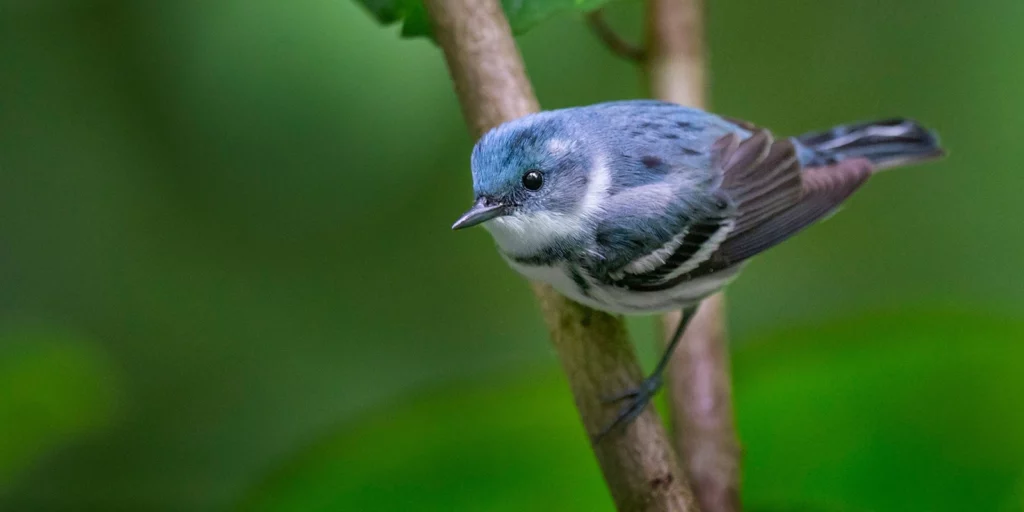
FUNDING GOAL $12,175 DONATE TO PROAVES Verified for authenticity Learn More IMPACT PROMISE Our Partners are carefully selected due to their high conservation impact Partner Snapshot Partner Name Fundación ProAves Location: El Dorado Nature Reserve, Sierra Nevada de Santa Marta, Colombia Appeal Category: Ecosystem Restoration Endangered Species Protected Area Management Reforestation Wildlife Conservation Key Species: Santa Marta Parakeet Santa Marta Toro San Lorenzo Harlequin Frog Challenges And Threats: Illegal Invasions to claim and clear forest Vacation home developments Cattle pasture lands Actions: Reserve rangers Improve Protection Forest restoration The Challenge On Colombia’s Caribbean shores stands the highest coastal mountain on earth. The Sierra Nevada de Santa Marta is a corrugated pyramid of rock that rises almost four miles high. This ancient massif that dates back to the Jurassic period contains a microcosm of the entire planet from deserts to rainforest to glaciers with an extraordinary diversity of plants and animals found nowhere else. It is regarded as the planet’s single most important site for threatened and endemic biodiversity, as it boasts the highest concentration of endemic bird species in the world. As a result, the prestigious journal Science dubbed the area the “Most Irreplaceable Site on Earth” and a major priority for biodiversity conservation. Located on the Sierra Nevada’s most vulnerable northwestern flank—less than ten miles from the city of Santa Marta—is perhaps the world’s most important nature reserve: El Dorado. Established in 2005 by our Colombian partner Fundación ProAves, the reserve protects over 3,200 acres, safeguarding habitat for threatened species such as the Critically Endangered Santa Marta Toro and the Santa Marta Harlequin Frog. However, in recent years land speculation around the reserve has spiraled out of control as the reserves offers surrounding areas with exceptional natural resources such as clean water, cooler climes and spectacular views. Unfortunately this speculation has spurred some unscrupulous individuals to try and illegal invade some parts of the reserve to claim land and then sell it. ProAves is desperate to increase protective measures at this Reserve. Urgent Solutions Following decades of uncontrolled colonization and agricultural expansion, less than 15 percent of the Sierra Nevada de Santa Marta’s original highland forest remains intact. All the more important that the El Dorado Nature Reserve represents one of the last refuges of strict protection for this mecca of endemic biodiversity. Principle threats include illegal invasions of the reserve to claim and clear forest then sell it for vacation home developments. The construction of vacation homes in the cooler climes of the mountain poses a growing danger to the forests and with land prices quadrupling each year, the demand for land is putting immense pressure on the reserve boundaries and what little forest survives outside the reserve. Unfortunately, the area’s many endangered and endemic species are concentrated in these cooler montane forests where threats are greatest. Almost every endemic species in the massif is struggling to survive amidst the continued destruction of their habitat. This appeal will provide critical resources to fund and equip three new Reserve Rangers, establish a new Ranger Station where threats are greatest and establish a communication network for alerts across the reserve to rapidly respond to threats. Why Your Donation Matters With invasions and deforestation placing this biodiversity jewel at tremendous risk, our partner urgently seeks support increase protective measures with additional reserve Rangers, new ranger stations and a communications system for alerts across the reserve. Your help will ensure the reserve continues to be a safe haven for the planet’s most important biodiversity hotspot. Partner Qualifications IUCN Member Verified Partner Legally Constituted Top Accountability Effective Impact Conservation Action Heroes
Madagascar Biodiversity Partnership
DONATE TO MBP Verified for authenticity Learn More IMPACT PROMISE Our Partners are carefully selected due to their high conservation impact Partner Snapshot Partner Madagascar Biodiversity Partnership Location Madagascar, Africa Category Community Support and Development Protected Area Management Scientific Research Urgent Appeals None currently Date Founded 2010 Website www.madagascarpartnership.org Partner Qualifications Verified Partner Legally Constituted Top Accountability Effective Impact Conservation Action Heroes About Madagascar Biodiversity Partnership The Madagascar Biodiversity Partnership works with local communities to balance the needs of people while protecting endangered wildlife and wild places. With four field stations located across the island from the northern tip of the country to the south, the Madagascar Biodiversity Partnership adapts every activity to the local culture and habitat. Their Challenges The Madagascar Biodiversity Partnership’s northernmost field site is near a tropical deciduous forest that is home to the global population of the Northern Sportive Lemur. This species is on the brink of extinction with estimates of 100 individuals or less remaining. Unfortunately, illegal harvesting of trees for charcoal production and timber is rapidly fragmenting the forest. Though a protected area, enforcement is difficult due to the site’s convenient proximity to a burgeoning city. Deforestation is also the primary threat to wildlife around the two of Madagascar Biodiversity Partnership’s field stations in humid, evergreen forests, but is driven here by the agricultural needs of the community. As a result of the removal of large fruit-bearing trees in the forest, the Critically Endangered Black-and-white Ruffed Lemurs experience a decline in population, as these trees are their main source of food. Although the Critically Endangered Greater Bamboo Lemurs can adjust their natural diet when disrupted by deforestation, they often turn to agricultural crops which can lead to human-wildlife conflicts. In the dry, spiny forest around the southernmost field station of the Madagascar Biodiversity Partnership, agriculture, and charcoal production are the main stressors on wildlife populations. While the area is home to one of the last strongholds of the Critically Endangered Radiated Tortoise, this species must still contend with the above threats in addition to poaching pressures. Their Approach Habitat loss is a shared consequence of human activity around every Madagascar Biodiversity Partnership field station. Community-supported reforestation programs that include native species as well as tree species that are useful to people are being implemented at each site. Though the benefits take years to reap, the action engages more than a thousand people every year. This community-driven proactive behavior has planted more than 6 million trees since 2012. As this is a long-term commitment, a generation of children is growing up with this as part of their ethos. Depending on the drivers of habitat loss, interventions can include workshops to make improved cook stoves to reduce the amount of fuel required to prepare a meal, forest patrols with volunteer rangers and local authorities, experimentation with alternative agriculture strategies, introduction of agroforestry crops, and composting workshops. Meanwhile, lemur monitoring is an ongoing activity providing a ‘live stream’ of data on wildlife populations that will aid in their conservation. Why They Need Your Help In 2022 and 2023, four cyclones impacted the communities and forests where the Madagascar Biodiversity Partnership works. Damage ranged from minor flooding and the toppling of trees to complete destruction of homes, schools, and other critical infrastructure. Where there have not been cyclones, a multi-year drought is pushing people and wildlife to their limits. In Madagascar, people have centuries of knowledge and experience that allow them to thrive under familiar conditions, but shifting weather patterns and growing human populations require exploring new ways of meeting household needs. Support from you will help the Madagascar Biodiversity Partnership maintain its programs including the long-running wildlife monitoring programs that document the response of lemurs, tortoises, and the forest to cyclones, habitat conversion, and more. Healthy lemur populations are also a boon to communities as people from around the world travel to Madagascar to see them. The Madagascar Biodiversity Partnership’s lemur monitoring teams bring visitors to the forest where ecotourists can see the animals in the wild. The proceeds provide livelihoods and are distributed among local organizations, like the mayor’s office which used the funds for community improvement projects like replacing school roofs. Your support will also help the Madagascar Biodiversity Partnership expand its ecotourism activities.