
Achieving Coexistence Between Communities and Wild Elephants

DONATE TO BELANTARA Verified for authenticity Learn More IMPACT PROMISE Our Partners are carefully selected due to their high conservation impact Partner Snapshot Partner Name Belantara Foundation Location: South Sumatra Province, Indonesia Appeal Category: Endangered Species Community Support and Development Education Key Species: Sumatran Elephant Challenges And Threats: Conflict between communities and wild elephants Limited understanding of coexistence concepts among stakeholders Lack of economic incentives from elephant presence Actions: Build competent community groups for conflict mitigation Synergize stakeholder conservation actions for harmonious coexistence Develop elephant-safe crops with high economic value The Challenge The Padang Sugihan Landscape on the east coast of southern Sumatra spans approximately 700,000 hectares of peat swamp that has faced recurring forest fires since 1997. This critical habitat supports a Sumatran elephant herd of 100-120 individuals, representing 5-10% of the total wild elephant population remaining in Sumatra. With this population size, the Padang Sugihan elephant herd is one of the few Sumatran elephant populations with a realistic chance of long-term survival. Since 1982, the Indonesian Government’s transmigration program has gradually relocated people from Java to this area. The landscape has since transformed into a mosaic of community settlements, agricultural lands, industrial forest plantations, and oil palm estates, alongside a small conservation area in the western portion. As economic development expands through forestry and palm oil industries, combined with population growth driving increased demand for agricultural land, negative interactions between humans and wild elephants have escalated dramatically over the past decade. Wild elephants increasingly enter village areas, destroying rice fields and agricultural crops, damaging homes, and tragically causing human fatalities. If this situation continues unchecked, conservation efforts for the critically endangered Sumatran elephant will become increasingly complex. Without community support, wild elephants will continue to be viewed as agricultural pests and enemies rather than as a vital part of the ecosystem deserving protection. Urgent Solutions Creating lasting coexistence between elephant conservation and economic development requires a holistic, comprehensive, and integrated approach. The Belantara Foundation proposes establishing conditions of mutual respect that allow harmonious coexistence in the Padang Sugihan Landscape while improving community livelihoods sustainably. To achieve long-term conservation success, the following urgent activities are essential: Community Capacity Building: Enhance the skills and equipment of community-based conflict mitigation teams already established in several villages. Industry Collaboration: Work with forestry and palm oil plantation concessions to create elephant-friendly management practices. Stakeholder Awareness: Educate all landscape stakeholders about the importance of coexistence between industrial sectors, communities, and wild elephants. Environmental Education: Provide education programs for local communities, especially early childhood learners, about the ecological benefits of wild elephants. Alternative Livelihoods: Develop agricultural commodities with high economic value that elephants naturally avoid, reducing crop-raiding incidents. Why Your Donation Matters Your donation is crucial to securing the long-term survival of this critically endangered Sumatran elephant population living in an increasingly human-dominated landscape. With 100-120 individuals now fragmented into smaller groups, these elephants face unprecedented challenges that require immediate intervention. The $100,000 fundraising goal will enable the Belantara Foundation to implement comprehensive conservation activities that address both elephant protection and community needs. Your support will fund conflict mitigation teams equipped with the tools and training needed to safely manage elephant encounters. It will facilitate partnerships with industrial concessions to create wildlife corridors and safe foraging areas, reducing elephants’ need to enter agricultural lands. Beyond immediate conflict reduction, your contribution will support long-term solutions through education programs that foster appreciation for elephants among the next generation. By developing alternative crop systems that provide economic benefits without attracting elephants, communities can thrive alongside wildlife. This innovative approach transforms the narrative from conflict to coexistence, ensuring that the Padang Sugihan elephant herd not only survives but becomes a source of pride and sustainable prosperity for local communities. Partner Qualifications IUCN Member Verified Partner Legally Constituted Top Accountability Effective Impact Conservation Action Heroes
Save Suwarrow’s Seabirds
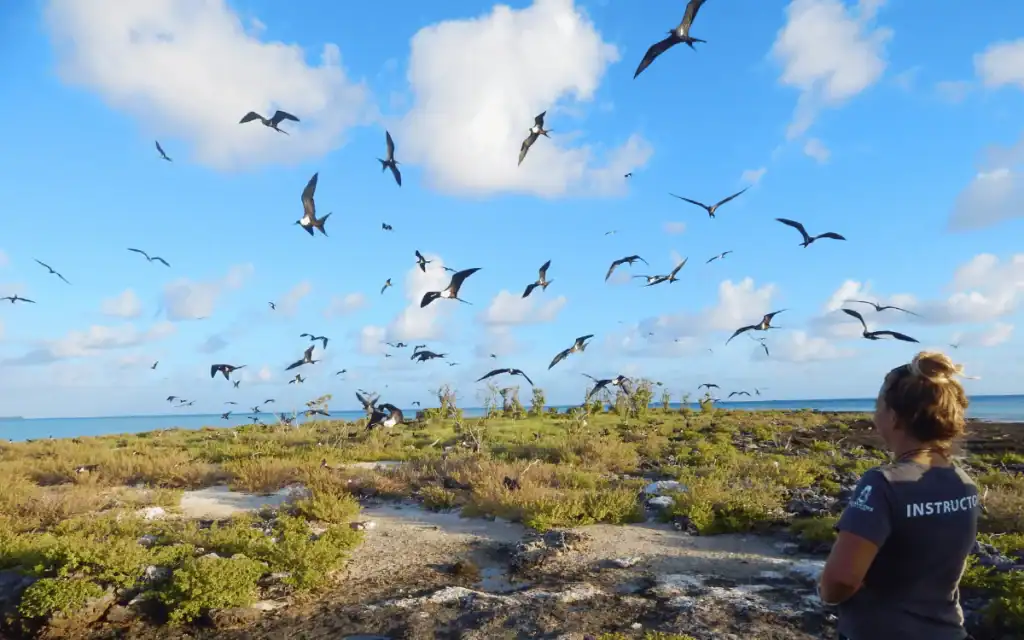
DONATE TO TE IPUKAREA SOCIETY Verified for authenticity Learn More IMPACT PROMISE Our Partners are carefully selected due to their high conservation impact Partner Snapshot Partner Name Te Ipukarea Society Location: Suwarrow, Cook Islands (Cook Islands National Park) Appeal Category: Ecosystem Restoration Education Endangered Species Key Species: Bristle-thighed Curlew (Numenius tahitiensis) Green Turtle (Chelonia mydas) Humphead Wrasse (Cheilinus undulatus) Challenges And Threats: Invasive rats threatening nesting seabird populations Invasive species deteriorating natural habitat and native vegetation Ecosystem degradation reducing nutrient flow to coral reefs Actions: Conduct feasibility study to assess rat populations Implement eradication project with field team Create awareness materials about island restoration benefits The Challenge Conservation organizations in the Cook Islands face significant challenges in securing unrestricted funding for critical conservation projects. This limitation particularly affects initiatives of high conservation significance, such as the urgently needed rat eradication project in Cook Islands National Park at Suwarrow Atoll. Invasive rat populations pose a severe threat to Suwarrow’s delicate ecosystem. These predators directly impact nesting seabird populations, deteriorate natural habitats by damaging native vegetation, and disrupt the natural nutrient cycle. When seabird populations decline, less guano enters the surrounding coral reef ecosystems, reducing marine productivity levels and affecting the entire food web. Despite the clear conservation priority, limited access to dedicated funding has prevented immediate action on this critical issue. Urgent Solutions Your support will enable Te Ipukarea Society to implement a comprehensive rat eradication project on Suwarrow Atoll, maintaining its predator-free status and protecting its unique biodiversity. With a goal of $50,000, this project will deliver lasting conservation impact. The project will proceed in three essential phases: Feasibility Assessment: Conduct a thorough study to identify which atolls have rat populations and determine the precise amount of bait needed for successful eradication. Field Implementation: Deploy a five-member field team with specialized equipment and sufficient bait, transported via cargo boat to this remote location. Community Engagement: Produce educational videos and articles to raise awareness about the eradication process and the ecological benefits of rat-free islands. Technical Support: Provide ongoing technical assistance to ensure project success and long-term monitoring capabilitie Why Your Donation Matters Your donation will directly Save Suwarrow’s Seabirds and restore the health of interconnected island and marine ecosystems. By making Suwarrow predator-free, we can achieve transformative conservation outcomes that benefit both terrestrial and marine biodiversity. The benefits of rat-free islands extend far beyond protecting individual species. Restored atoll habitats support the recovery of native vegetation, creating suitable nesting sites for seabirds. As seabird populations rebound, their guano provides essential nutrients that flow into surrounding coral reef ecosystems, enhancing marine productivity and supporting diverse fish populations, including endangered species like the Humphead Wrasse. This project represents a rare opportunity to create lasting positive change in one of the Pacific’s most important seabird sanctuaries. Your support will ensure that Suwarrow remains a thriving refuge for endangered species and continues to play its vital role in maintaining healthy Pacific Ocean ecosystems for generations to come. Partner Qualifications IUCN Member Verified Partner Legally Constituted Top Accountability Effective Impact Conservation Action Heroes
Protect Green Spaces and Urban Wildlife

DONATE TO MALAYSIAN NATURE SOCIETY Verified for authenticity Learn More IMPACT PROMISE Our Partners are carefully selected due to their high conservation impact Partner Snapshot Partner Name Malaysian Nature Society Location: Kuala Lumpur, Malaysia Appeal Category: Community Support & Development Ecosystem Restoration Reforestation Key Species: Sunda pangolin Sunda slow loris White-thighed surili Challenges And Threats: Habitat fragmentation Climate Change Inadequate Legal Protections of Nature Actions: Reforestation of Green Spaces with Local Communities Native Tree Nursery Management by Indigenous People Advocacy for Policy Reformation to Safeguard the Environment The Challenge Kuala Lumpur, located in Malaysia’s Klang Valley, has witnessed decades of urban expansion, driving economic growth at the cost of its ecosystems. Natural habitats have been fragmented, isolating wildlife populations like the Sunda Pangolin and Sunda Slow Loris, which face inbreeding risks due to limited mobility. Birds struggle to navigate fragmented green spaces, while aquatic species suffer from polluted waterways caused by industrial and residential runoff. Climate change compounds these issues, with rising temperatures, erratic weather, and longer droughts punctuated by severe storms and flooding. Vulnerable communities, including Indigenous Peoples and marginalized groups, are disproportionately affected but lack the resources to adapt. Efforts to conserve green spaces face legislative barriers, as conflicting property rights and environmental regulations hinder grassroots initiatives. Striking a balance between individual property rights and the need for sustainable, accessible green spaces has become increasingly difficult. Without action, these ecosystems—and the benefits they provide to the community—are at risk of vanishing. Urgent Solutions The Malaysian Nature Society (MNS) is addressing these challenges through the Rantaian Urban Green Spaces (RUGS) initiative. This project collaborates with NGOs, government bodies, academic institutions, and Indigenous communities to restore degraded areas with native vegetation and connect green spaces. MNS emphasizes capacity-building workshops, awareness campaigns, and policy advocacy to strengthen legal protections for urban green spaces. These efforts aim to ensure walkability, sustainability, and inclusive participation across society, transforming Klang Valley into a livable, sustainable city. A key success has been engaging the Indigenous People of Kampung Orang Asli Sungai Buloh. By partnering with this community, MNS is supporting the establishment of an Indigenous-run nursery for native plants, blending traditional knowledge with conservation practices to steward urban green spaces sustainably. Why Your Donation Matters The challenges of deforestation, climate change, and legal barriers threaten Klang Valley’s ecosystems. Your donation will help MNS to implement sustainable solutions: Reforestation with Local Communities MNS is working with local communities to restore habitats and create green corridors that support wildlife, promote recreation, and mitigate climate change. Indigenous-Led Native Tree Nurseries Supporting Indigenous communities to manage tree nurseries ensures the sustainability of reforestation efforts and strengthens local economies. Policy Advocacy for Green Space Protection Your contribution will empower MNS to advocate for stronger environmental laws and constitutional amendments, safeguarding green spaces from unsustainable development. Together, we can protect and restore Klang Valley’s green spaces for future generations. Partner Qualifications IUCN Member Verified Partner Legally Constituted Top Accountability Effective Impact Conservation Action Heroes
Save Mauritius’ Chamarel Forest
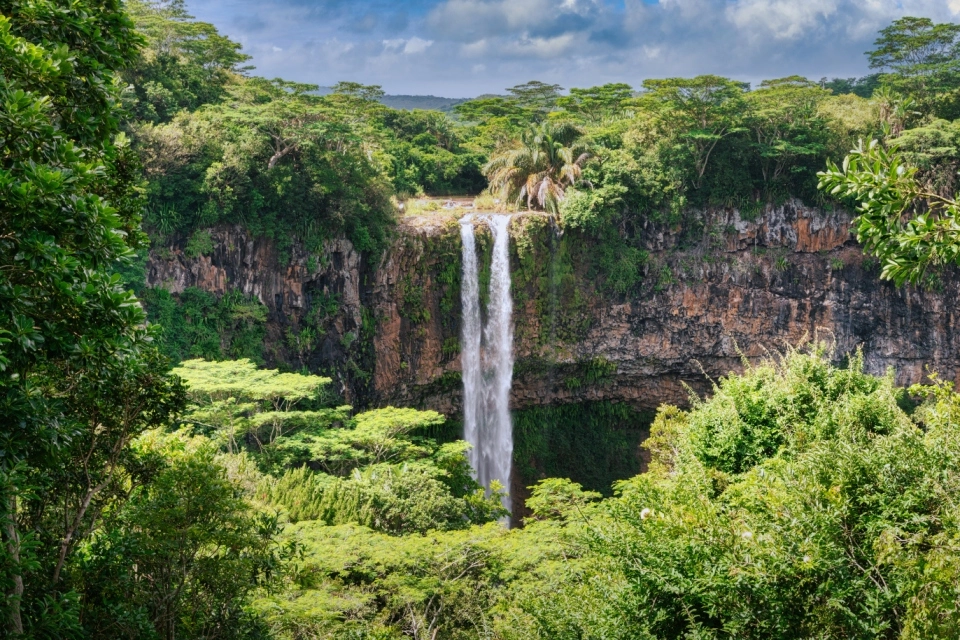
DONATE TO MWF Verified for authenticity Learn More IMPACT PROMISE Our Partners are carefully selected due to their high conservation impact Partner Snapshot Partner Name Mauritian Wildlife Foundation Location: Mauritius Appeal Category: Land Purchase Endangered Species Ecosystem Restoration Key Species: Mauritius kestrel Pink pigeon Echo parakeet Challenges And Threats: Deforestation Loss of Habitat Threatened Species Actions: Reverse the Deforestation Process Restore Suitable Habitat for Threatened Species Protect Rare Plants The Challenge The Black River Gorges National Park is one of Africa’s most critical forests, hosting a remarkable number of endemic and endangered species. This UNESCO Man and Biosphere Reserve is home to the last remaining endemic birds of Mauritius, most of which rely heavily on this park for survival. Among its treasures is the Chamarel forest, praised by experts as the best tract of lowland and transitional rainforest in Mauritius, with exceptional biodiversity and natural regeneration under a nearly intact native canopy. However, Chamarel faces severe threats. With expanding transport infrastructure, the risk of deforestation and development looms over its privately owned areas. Securing 111 acres of this forest is vital for protecting its rich biodiversity. By establishing a conservation presence, the Mauritian Wildlife Foundation (MWF) hopes to inspire other landowners to support conservation efforts. Positioned alongside a major road connecting the national park to Chamarel village, this area also offers unique opportunities for ecotourism, education, and community engagement, bringing conservation closer to both locals and tourists. Urgent Solutions Your support can save 111 acres of the Chamarel forest, a sanctuary for Mauritius’ endangered species and plants. Every $13,000 permanently saves one acre, ensuring this land is protected from development and preserved for future generations. With your help, this project will: Restore Habitats: Rehabilitate degraded areas, remove invasive species, and improve ecosystems for birds, reptiles, and other wildlife. Protect Wildlife: Stabilize and grow populations of Mauritius’ endemic and endangered species. Engage Communities: Empower locals through education and conservation projects while fostering sustainable livelihoods. Promote Ecotourism: Create self-sustaining conservation efforts through eco-friendly tourism and green job opportunities. Why Your Donation Matters Together, we can secure this forest, protect its incredible biodiversity, and create a lasting legacy for both nature and the local community. Your donations will help create and maintain community-conserved areas spanning 1.58 million acres, safeguarding critical habitats and establishing ecological corridors to prevent inbreeding and extinction of endangered species like great apes and elephants. By supporting economic development, these funds will provide alternative livelihoods for impoverished communities, reducing their dependence on forest and wildlife resources. Education and training programs for local stakeholders will encourage sustainable practices and create opportunities beyond resource depletion. In addition, research and biomonitoring initiatives will help combat poaching and habitat destruction. Your contributions are vital in implementing long-term solutions to the current conservation challenges, ensuring a sustainable future for both wildlife and local communities. Partner Qualifications IUCN Member Verified Partner Legally Constituted Top Accountability Effective Impact Conservation Action Heroes
Save The Great Apes And Elephants Of Cameroon From Extinction

DONATE TO ERUDEF Verified for authenticity Learn More IMPACT PROMISE Our Partners are carefully selected due to their high conservation impact Partner Snapshot Partner Name Environment and Rural Development Foundation (ERuDeF) Location: Cameroon Appeal Category: Community Support and Development Capacity Building & Training Endangered Species Land Purchase Key Species: Cross river gorilla Western lowland gorilla Nigeria-Cameroon chimpanzee Central chimpanzee African forest elephant Challenges And Threats: Impoverished communities Wildlife corridor fragmentation and degradation Fragmented subpopulations of wildlife species Absence of law enforcement Actions: Create sustainable income streams for community members Create locally managed conservation areas Environmental education Promote sustainable financing The Challenge Fragmentation of wildlife subpopulations in the Eastern and Lebialem Highlands of Cameroon is leading to inbreeding and the potential local extinction of species. The Cross River gorilla, with fewer than 300 individuals remaining in the wild, is the world’s most threatened primate. Chimpanzees, forest elephants, and western lowland gorillas also face severe threats due to widespread deforestation, logging, land grabbing, and rapid urbanization. The international pet trade exacerbates the decline of these species, while the local economy’s suppression and extreme poverty drive communities to rely heavily on forest resources for survival. The lack of comprehensive education and career development programs limits alternatives for locals. Government rangers, tasked with protecting these habitats, are also insufficient in number, further weakening conservation efforts. Urgent Solutions Immediate action is required to address the critical conservation challenges in Cameroon. To protect endangered species and support local communities, the following solutions are essential: 1. Designation of Conservation Areas: Support the official designation of the Deng Deng Technical Operational Unit and the creation of six community-conserved areas to protect vital habitats.2. Wildlife Monitoring: Develop a comprehensive database tracking the distribution of key wildlife species, including migratory routes for great apes and African forest elephants.3. Economic Empowerment: Invest in initiatives that lift impoverished communities out of poverty, such as gorilla-based ecotourism, the valorization of non-timber forest products (NTFPs), agricultural ventures, cooperative development, and improved market access. 4. Education and Capacity Building: Implement a sustainable development education strategy focused on ecosystem management, skills training, and capacity development for local communities.5. Carbon Finance: Support the development of carbon finance mechanisms to ensure long-term funding for conservation efforts.6. Ecological Corridor Management: Establish and manage ecological corridors to promote species connectivity and reduce inbreeding.Together, these solutions will help safeguard Cameroon’s biodiversity while providing sustainable livelihoods for its communities, ensuring a brighter future for both people and wildlife. Why Your Donation Matters Your donations will help create and maintain community-conserved areas spanning 1.58 million acres, safeguarding critical habitats and establishing ecological corridors to prevent inbreeding and extinction of endangered species like great apes and elephants. Conservation Area Management Your support will help designate and manage the Deng Deng Technical Operational Unit and six community-conserved areas to protect vital habitats. Alternative Livelihoods By supporting economic development, your funds will provide sustainable livelihood alternatives for impoverished communities, reducing their dependence on forest and wildlife resources. Education and Capacity Building Education and training programs for local stakeholders will encourage sustainable practices and create opportunities beyond resource depletion. In addition, research and biomonitoring initiatives will help combat poaching and habitat destruction. Your contributions are vital in implementing long-term solutions to the current conservation challenges, ensuring a sustainable future for both wildlife and local communities. Partner Qualifications IUCN Member Verified Partner Legally Constituted Top Accountability Effective Impact Conservation Action Heroes
Save Bhutan’s White-Bellied Herons From Extinction
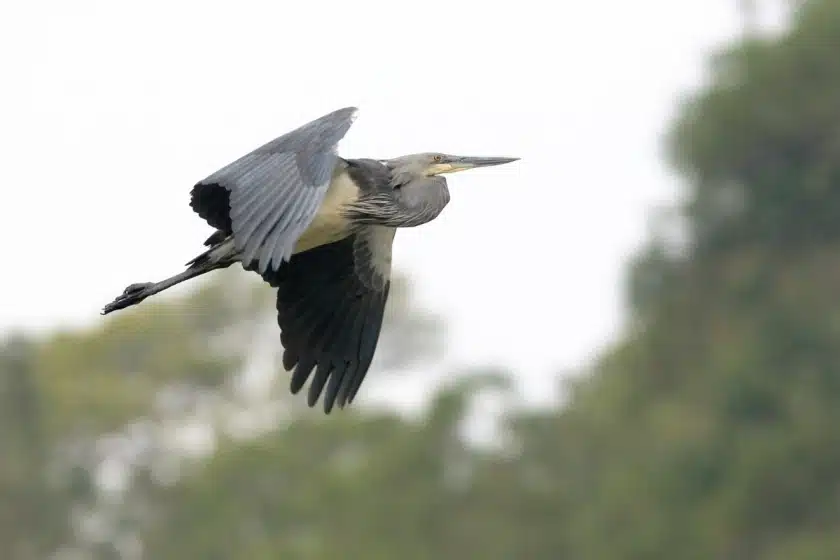
DONATE TO RSPN BHUTAN Verified for authenticity Learn More IMPACT PROMISE Our Partners are carefully selected due to their high conservation impact Partner Snapshot Partner Name Royal Society for Protection of Nature (RSPN Bhutan) Location: Bhutan Appeal Category: Community Support and Development Capacity Building & Training Endangered Species Key Species: White-bellied Heron Rufous-necked Hornbill Small-clawed Otter Challenges And Threats: Crashing wildlife populations Increase threats to natural habitats Low support for landscape level community-conservation programs Actions: Revive wildlife populations through in-situ and ex-situ conservation programs Reconnecting habitats through ecosystem restoration activities Incentivize communities to reduce threats to wildlife The Challenge The Critically Endangered White-bellied heron faces a rapid decline across its few remaining habitats, primarily in Bhutan, Northeast India, and Myanmar. Human activities, such as habitat degradation and the socio-economic struggles of surrounding communities, place immense pressure on this rare species. Low population genetics and a small breeding population further heighten the risk of extinction. In Bhutan, the Royal Society for Protection of Nature (RSPN) leads global conservation efforts to protect the White-bellied heron, the only organized program of its kind. However, resource challenges pose serious threats to the effectiveness of these programs. Activities like population monitoring, community engagement, habitat restoration, and maintaining the WBH Conservation Center require significant and growing operational costs. Managing these resources is the greatest challenge in sustaining the effort to save the White-bellied heron, and other endangered species, from extinction. Urgent Solutions Donations to this campaign will directly support the White-bellied heron conservation efforts, helping to address the urgent threats facing this species. The funds will be used to: Protect WBH habitats and support monitoring efforts Conduct annual population counts and track population dynamics Rescue and rehabilitate injured or endangered herons Restore degraded ecosystems that are critical to the WBH’s survival Identify potential habitats for the WBH within Bhutan and the region Enhance research on WBH ecology to inform conservation strategies Support infrastructure improvements such as laboratory equipment, aviaries, and fish ponds for breeding programs Build capacity and provide fair compensation for conservation staff These actions will also benefit surrounding communities, incentivizing them to actively participate in conservation efforts. Why Your Donation Matters Your donation is crucial in preventing the extinction of the White-bellied heron, which could disappear by 2050 without immediate intervention. The Royal Society for Protection of Nature, through more than 20 years of dedicated efforts, has so far prevented the extinction of these birds. In 2003, only 14 individuals were recorded, but through careful management, that number has grown to at least 25 as of 2024. Despite these gains, the WBH remains critically endangered, and continued conservation efforts are necessary. RSPN is partnering with international organizations like Conservation Alliance to secure the funding required for the next two decades. Your donation will help sustain the White-bellied Heron Conservation and Breeding Center, scale up community engagement and livelihood programs, and protect key breeding and feeding habitats. By supporting this cause, you are playing a truly vital role in saving one of the world’s most endangered species and contributing to the overall health of Bhutan’s ecosystems. Partner Qualifications IUCN Member Verified Partner Legally Constituted Top Accountability Effective Impact Conservation Action Heroes
Promoting Coexistence: Support Communities To Protect People And Wildlife
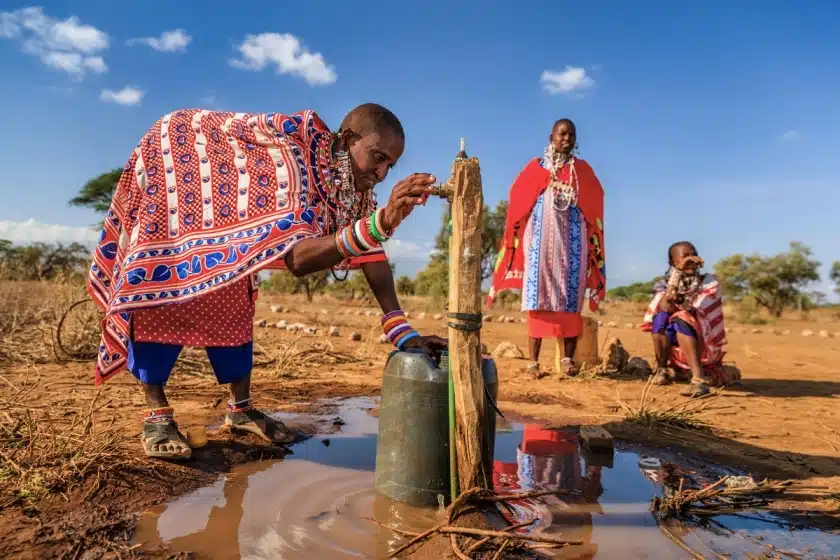
DONATE TO CONSERVATION ALLIANCE OF KENYA Verified for authenticity Learn More IMPACT PROMISE Our Partners are carefully selected due to their high conservation impact Partner Snapshot Partner Name Conservation Alliance of Kenya Location: Multiple Key Ecosystems in Kenya Appeal Category: Community Support and Development Capacity Building & Training Government Policy Key Species: African Savannah Elephant African Lion East African Cheetah Challenges And Threats: Mangrove deforestation Land encroachment Wastewater pollution of the environment from near communities Human-wildlife conflict (livestock predation, crop damage, and potential injury) Lack of vehicles to support transport of professional in deescalating conflicts and treating injured people/wildlife Insufficient training programs Actions: Build community trust through capacity-building sessions with rangers and locals Implement predator-proof solutions and provide essential resources like motorbikes and field vehicles for rapid response Reform policies and laws, while constructing water infrastructure to reduce human-wildlife conflict The Challenge Human-wildlife conflict is escalating in key ecosystems across Kenya, both within and outside protected areas. Incidents of livestock predation, crop destruction, and threats to human life are becoming more frequent as wildlife and human populations increasingly overlap. These conflicts threaten not only vulnerable species like elephants, lions, and cheetahs but also the well-being of local communities. Degraded habitats, unsustainable land-use practices, and conflicting laws and policies further exacerbate the situation. In many cases, efforts focus heavily on wildlife protection, with insufficient attention to the needs of affected communities. The current resources and capacity to manage these conflicts are limited, leaving communities vulnerable and wildlife at risk. Urgent action is needed to create sustainable solutions that address both human and wildlife needs, including the provision of water resources to reduce conflict. Urgent Solutions To mitigate the rising tension between wildlife and communities, several urgent actions are proposed: Launch grassroots capacity-building sessions to foster trust between rangers and local communities, ensuring a collaborative approach to conflict resolution Implement predator-proof solutions that are scalable and adaptable to various regions, reducing livestock losses and improving community safety Reform existing policies, laws, and strategies to better balance wildlife conservation with human needs Provide essential resources like electric motorbikes for rapid response to conflict incidents and a four-wheel-drive vehicle to enhance mobility in the field Support the construction of water dams and other vital infrastructure to minimize competition between humans and wildlife over resources These actions will help build resilient communities that can coexist with wildlife, ultimately protecting both people and endangered species. Why Your Donation Matters Your donation is critical in preventing the extinction of endangered species, including elephants, lions, and cheetahs, while promoting peaceful coexistence between humans and wildlife. By supporting this initiative, you are helping to protect some of the world’s most iconic species from the threat of extinction. With your support, communities will gain the resources and knowledge they need to manage conflicts with wildlife, ensuring that both people and animals thrive. Together, we can reduce the risk of injury, loss of livelihood, and species decline, creating a sustainable future for Kenya’s ecosystems. Every contribution brings us one step closer to achieving harmony between humans and nature, protecting biodiversity for generations to come. Partner Qualifications IUCN Member Verified Partner Legally Constituted Top Accountability Effective Impact Conservation Action Heroes
Save The Mangroves Of Cambodia
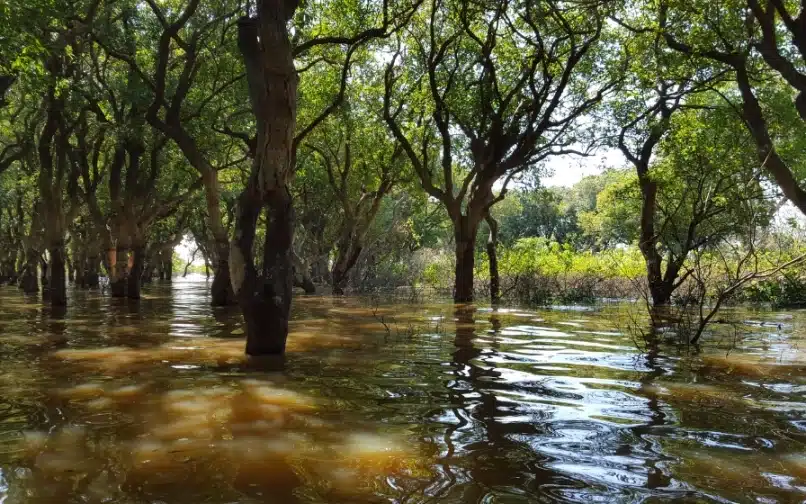
DONATE TO NGOF Verified for authenticity Learn More IMPACT PROMISE Our Partners are carefully selected due to their high conservation impact Partner Snapshot Partner Name NGO Forum on Cambodia (NGOF) Location: The Chrolong fishery community, the Preynop district, and the Sihanoukvile province (Cambodia) Appeal Category: Community Support and Development Ecotourism Reforestation Key Species: Mangrove Sea Dolphin Ell Challenges And Threats: Mangrove deforestation Land encroachment Wastewater pollution of the environment from near communities Actions: Capacity development Environmental site management and strategic planning Nursery management and tree planting Hospitality and ecotourism services The Challenge The coastal communities of Cambodia, located in a region abundant with natural resources and biodiversity, are facing significant environmental conservation challenges. Community leaders and local authorities lack the capacity to manage these areas effectively and illegal fishing and deforestation are prevalent, driven by the financial struggles many community members face. The community has very limited financial resources to support patrol efforts to protect its natural resources and biodiversity. Urgent Solutions Their urgent solutions include: Policies and Laws Influence (PALI): NGO Forum on Cambodia collaborates closely with citizens to gather their input on new laws and policies, and engages with policymakers to discuss key recommendations. The goal is to ensure that new bills and policies are inclusive and cause no harm to nature or society. Promoting Solidarity Actions for Community Harmonization and Sustainability (SACHAS): NGOF works with all stakeholders at the grassroots level to assess their capacity and resources, both natural and man-made. This initiative also provides capacity-building support and financial resources to help communities pursue sustainable development while protecting and conserving natural resources and biodiversity, locally and beyond. Strengthening Resilient, Innovative, and Transformative Institutions (RITI): NGOF supports grassroots and community-based organizations, along with civil society groups, to strengthen their capacity in organizational development, program design, resource mobilization, and advocacy. Once empowered, these organizations can effectively contribute at both policy and community levels, promoting natural resource and biodiversity conservation alongside long-term livelihood development. Why Your Donation Matters It is essential to strengthen NGO Forum on Cambodia’s capacity to manage and conserve natural resources and biodiversity. This will help protect and increase many populations of Cambodia’s endangered species. Additionally, the livelihoods of community members will improve through ecotourism activities and sustainable development. Mangroves absorb carbon and contribute to climate change resilience. By supporting this effort, you will play a key role in creating a lasting legacy for both nature and humanity. Partner Qualifications IUCN Member Verified Partner Legally Constituted Top Accountability Effective Impact Conservation Action Heroes
Help Purchase Land For Tree Nurseries To Save Chad’s Forests
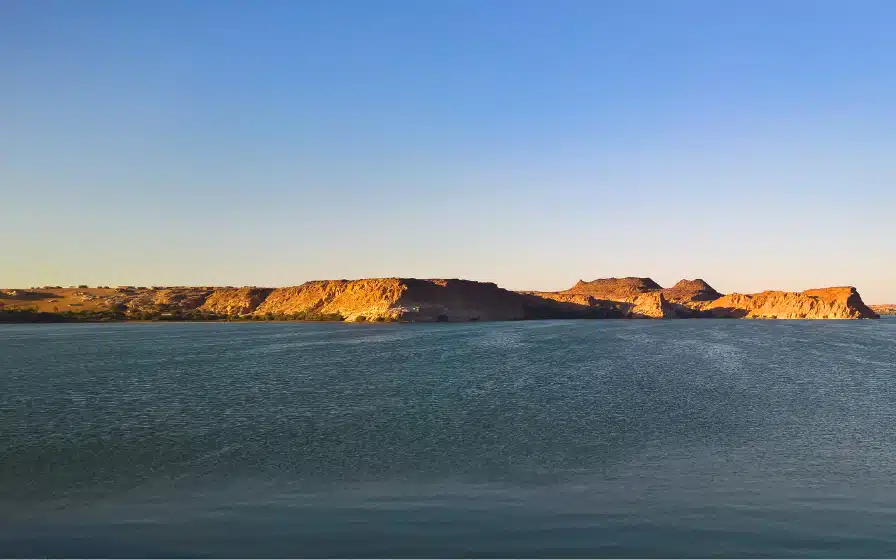
DONATE TO ADHET Verified for authenticity Learn More IMPACT PROMISE Our Partners are carefully selected due to their high conservation impact Partner Snapshot Partner Name ADHET Location: Chad (Provinces of Lake Chad, Batha, Hadjar Lamis, and Guera) Appeal Category: Land Purchase Challenges And Threats: Advance of the desert Deforestation Lack of environmental education among locals Actions: Tree planting initiatives to stop the advance of the desert Providing the population with native plants Instilling a culture of environmental preservation among communities The Challenge Illiteracy and poverty contribute significantly to environmental degradation in many regions. Due to low literacy rates, raising awareness about the dangers of environmental destruction is challenging. This makes it essential to educate communities and foster a collective understanding of environmental issues. In many cases, extreme poverty forces people to engage in harmful activities that degrade their surroundings in the quest for survival. Furthermore, law enforcement is often too lenient toward those committing environmental crimes. This laxity is sometimes due to bribes or incentives that officers receive, undermining efforts to protect the environment and enforce regulations. Urgent Solutions To address deforestation and promote environmental conservation, a multifaceted approach is essential. This includes launching a major campaign to emphasize the importance of preserving forests and encouraging every individual to plant and maintain at least one tree, whether in urban or rural areas. Additionally, securing land with adequate water supply equipment will be a priority to develop nurseries, ensuring the sustainable growth of new trees. To make this effort more accessible, plants will be provided to the public at a reduced cost, encouraging widespread participation in reforestation and environmental stewardship. Why Your Donation Matters This call for donations is crucial for their mission to save the provinces of Lake Chad, Batha, Hadjar Lamis, and Guera—all regions on the edge of the desert. Your support will enable ADHET to carry out vital reforestation efforts, which will help slow the desertification process. Additionally, they aim to build a community with a strong culture of environmental protection, ensuring long-term sustainability and resilience against further environmental degradation. Your contribution will make a significant impact in combating desertification and preserving these vulnerable ecosystems for future generations. Partner Qualifications IUCN Member Verified Partner Legally Constituted Top Accountability Effective Impact Conservation Action Heroes
You Are Our Hope For Madagascar!
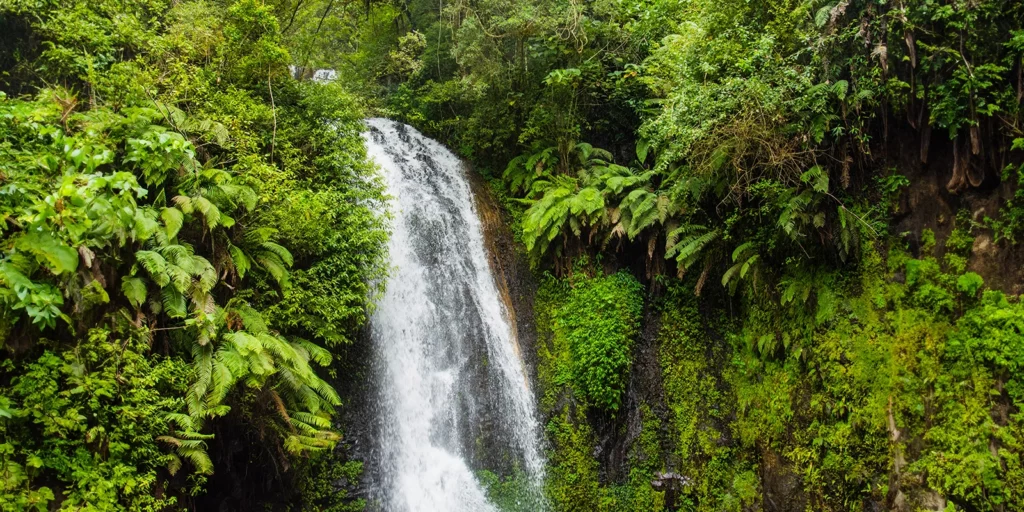
DONATE TO MADAGASIKARA VOAKAJY Verified for authenticity Learn More IMPACT PROMISE Our Partners are carefully selected due to their high conservation impact Partner Snapshot Partner Name Madagasikara Voakajy Location: Bobaomby Complex Protected Area, North Madagascar Appeal Category: Capacity Building and Training Scientific Research Ecosystem Restoration Key Species: Giant baobab tree Crowned lemur Blind Stone Skink Challenges And Threats: Forest fires Deforestation Climate change Actions: Strengthen community capacity to sustainably manage nature Ecological monitoring Restoration of endangered trees The Challenge Bobaomby, the area located between Ambodimadiro going north to Cap d’Ambre, is rich in biodiversity, yet is undergoing a massive forest loss due to land clearing, forest fires, extension of the farmland, and an increase in charcoal production. In 15 years, the loss of forest cover continues to vary, averaging over 700 acres per year. These forests are the habitat of many endangered species which we believe are in major decline. Understanding scientific data such as the ecology of our focal species will allow us to develop appropriate conservation plans. Urgent Solutions In a strenuous effort to preserve the Bobaomby forest, Madagasikara Voakajy is intensifying its protection efforts by already strengthening patrolling efforts with the fund obtained in June 2023. We plan to extend these efforts to strengthen forest protection through local patrols. Investing in scientific research will provide us with data that will help us establish the right management strategy to conserve target species. Why Your Donation Matters The Bobaomby zone is an area with several charcoal permits, but we have identified several charcoal production areas where it is not permitted. Furthermore, Bobaomby has several sacred places with intact forests with high potential for biodiversity wealth. Given that we have obtained authorization from the local leaders to access these places, we would like to continue our conservation actions in these places, secure the necessary funds for biological surveys, and establish sustainable resource management plans. Partner Qualifications IUCN Member Verified Partner Legally Constituted Top Accountability Effective Impact Conservation Action Heroes