
Help Indigenous Forest Defenders Rebuild After Violent Attack

DONATE TO MAKIROVANA Verified for authenticity Learn More IMPACT PROMISE Our Partners are carefully selected due to their high conservation impact Partner Snapshot Partner Name Makirovana Association Location: Makirovana-Tsihomanaomby Protected Area (Northeastern Madagascar) Appeal Category: Community Support and Development Protected Area Management Wildlife Conservation Key Species: Sanford’s lemur Crowned lemur Challenges And Threats: Violent retaliation from illegal gold miners Destruction of homes and conservation infrastructure Ongoing threats to Indigenous forest defenders Illegal mining within Protected Area Actions: Rebuild 88 destroyed family homes Restore conservation facilities and tree nurseries Strengthen community-led forest patrols Provide emergency support for displaced families The Challenge The Makirovana-Tsihomanaomby Protected Area protects critical habitat for Critically Endangered lemur species and countless additional species. An Indigenous community has co-managed this forest for generations through the Makirovana Association, a local grassroots organization and Conservation Allies partner. In November 2025, community patrols discovered illegal gold miners operating inside the Protected Area. Police arrested two miners, who promised not to return. In retaliation, a larger group of miners launched a violent attack on villages around the Protected Area. The miners targeted families directly involved in forest protection. They destroyed homes, threatened residents, and kidnapped one Association member. Many families evacuated to temporary shelter in nearby Sambava city. The violence escalated when miners returned and burned 88 family homes, the village chief’s house, and all conservation facilities including ten native tree nurseries and reforestation sites. Local authorities responded by deploying more than 60 armed officers who have begun making arrests. The kidnapped conservationist was safely released. However, the community has lost nearly everything and needs immediate help to rebuild their homes and restore the conservation infrastructure that protects this biodiverse landscape. Urgent Solutions The Makirovana community needs immediate support to rebuild and continue protecting this critical forest habitat. Your donation will fund: Rebuild Homes: Construct 88 new homes for families who lost everything while defending their forests, allowing them to return from temporary shelters and resume their lives. Restore Conservation Infrastructure: Rebuild ten native tree nurseries and reforestation sites that were burned, ensuring conservation work continues without interruption. Strengthen Community Patrols: Provide equipment, training, and operational support for patrols that protect the forest from illegal mining and other threats. Emergency Family Support: Provide immediate assistance to families currently displaced in Sambava, including food, supplies, and temporary housing needs. Enhance Security: Work with local authorities to improve safety measures for Indigenous forest defenders and ensure their rights as stewards of this landscape are protected. Restore Livelihoods: Help families rebuild the sustainable economic activities disrupted by the attack, providing long-term stability for conservation efforts. Why Your Donation Matters Your donation directly supports Indigenous people who have risked their safety to protect endangered wildlife and one of Madagascar’s most biodiverse forests. The Makirovana community faces an immediate crisis that threatens both their homes and the Protected Area they manage. The $15,000 fundraising goal will enable the Makirovana Association to rebuild destroyed infrastructure and continue their conservation work. Your support provides displaced families with new homes so they can return to their land. It restores years of conservation work lost when nurseries and reforestation sites were burned. This support also sends a clear message: communities defending forests against illegal activities are not alone. Your donation helps ensure that violent intimidation does not succeed in driving Indigenous stewards away from the landscapes they protect. The Makirovana people have shown commitment to their forests despite facing violence. By helping them rebuild, you enable them to continue protecting habitat for biodiversity found nowhere else on Earth. Your donation helps them recover from this attack and continue their role as forest defenders for future generations. Partner Qualifications Verified Partner Legally Constituted Top Accountability Effective Impact Conservation Action Heroes
Silky Sifakas Need Your Help
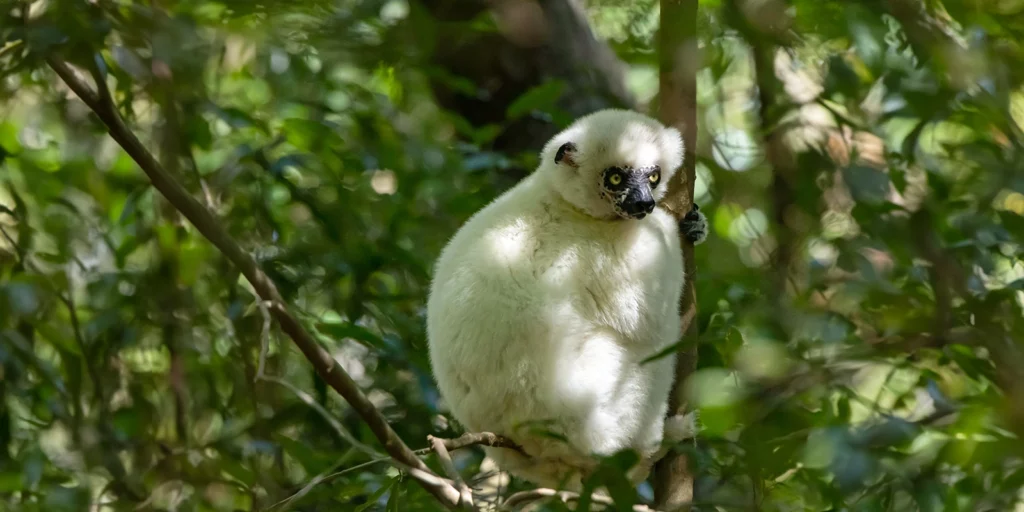
SUPPORT Verified for authenticity Learn More IMPACT PROMISE Our Partners are carefully selected due to their high conservation impact Partner Snapshot Partner Name: Lemur Conservation Foundation Location: Marojejy National Park, Madagascar Appeal Category: Endangered Species Wildlife Conservation Scientific Research Key Species: Silky sifaka Indri Red ruffed lemur Challenges And Threats: Bushmeat hunting Slash-and-burn agriculture Selective logging Actions: Arboreal camera trapping for lemurs Silky sifaka long-term monitoring The Challenge Critically endangered silky sifakas are among the rarest primates in the world with less than 2000 remaining individuals and none in zoos. They are only found in a small area of northeastern Madagascar at elevations above 600m. For many years this species was listed as one of the World’s Top 25 rarest primates. Silky sifakas are the flagship species for Marojejy National Park, a World Heritage Site. Due to their rarity and the steep mountainous terrain, obtaining valid population densities is challenging. It is critical for the survival of this species that more is learned about where exactly they are found, their abundance, and the local threats that vary with site. Urgent Appeal Funds are needed for two silky sifaka conservation research projects: Arboreal camera trapping and Long-term monitoring. From December 1, 2023 to June 1, 2024, we plan to conduct a lemur survey in southwestern Anjanaharibe-Sud (near Camp Indri) using motion-activated camera traps placed high in the trees and on the ground. Particularly for very rare species, such as critically endangered silky sifakas, or cryptic species like aye aye, traditional survey methods such as line-transect surveying, require large amounts of time and resources and do not always produce clear results. Arboreal camera trapping is a new methodology increasingly used for lemurs in Madagascar. Our long-term monitoring program focuses on four groups of silky sifakas that we would like to visit each year (Camp Marojejia in Marojejy National Park, Camp Indri in Anjanaharibe-Sud Special Reserve, and Maherivaratra, a disturbed unprotected forest). Additionally, we hope to start visiting the groups near Simpona Lodge in Makira National Park, an unusual low-elevation site. We have habituated several of these groups and have established individual recognition. It is critical to regularly follow these groups (at least once per year for several weeks) to learn more about their demography and document critical life-history parameters such as number of infants born each year, birthdates, changes in group membership as well as obtaining ranging and feeding data. Moreover, our team plays a vital role in protecting these groups by destroying bushmeat traps, identifying new disturbances in their habitat, and organizing patrols if needed. Our presence deters poaching. Why Your Donation Matters With 22 lemur species, including 6 critically endangered species, northeastern Madagascar has long been a primate conservation and biodiversity hotspot. Lemur Conservation Foundation is one of the primary sponsors of Marojejy National Park and Anjanaharibe-Sud Special Reserve, which are among the largest and least disturbed rainforest landscapes in Madagascar. Silky sifakas are actually a nationally recognized lemur with their own national stamp and several international films. Before COVID, thousands of tourists visited this region specifically to see silky sifakas which are one of the largest lemurs, absolutely gorgeous fluffy white acrobats that inhabit steep magnificent mountain cliffs, truly breathtaking. Local communities recognize that silky sifakas bring researchers, tourists, and resources. Moreover, this species is very unique with a high elevation preference and they depigment (turning pink) more rapidly with age than any other primate species. Partner Qualifications IUCN Member A distinguished Member of the International Union for the Conservation of Nature. IUCN Members are each vetted and voted on based on an independent, rigorous assessment and external references. Learn More Verified Partner One of Conservation Allies’ staff or trusted advisors has visited this organization and verified its work and impact. Legally Constituted This organization is formally constituted and is a legally recognized non-profit in its country of origin. Top Accountability Our experienced team has rigorously reviewed the organization’s annual accounts. Learn More Effective Impact We recognize this Partner for their tremendous efforts to make a difference for wildlife and local communities, as well as welcome technical support from Conservation Allies to improve and scale up their impact. Conservation Action Heroes We recognize this Partner for their high level of engagement with the Conservation Allies team and their demonstration of a clear commitment to our collective mission of making a real difference and having a major impact on wildlife and communities where it is needed most.
Conserve Peru’s Forests Through Primate Reintroduction
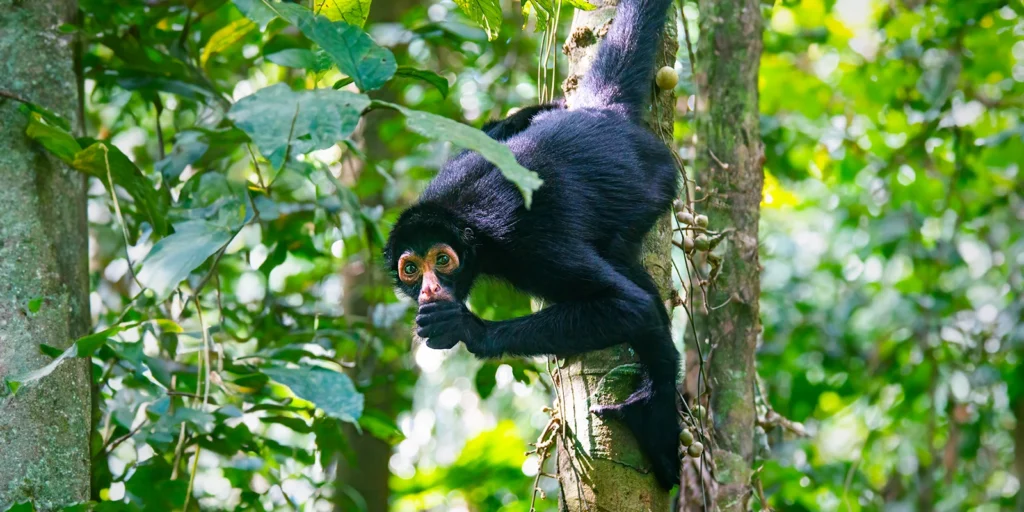
DONATE TO KAWSAY Verified for authenticity Learn More IMPACT PROMISE Our Partners are carefully selected due to their high conservation impact Partner Snapshot Partner Name Kawsay Biological Station Location: Madre de Dios, Peru Appeal Category: Capacity Building and Training Scientific Research Wildlife Conservation Key Species: Black face Peruvian spider monkey Iron wood Harpy eagle Challenges And Threats: Selective logging Lack of capacity building for local students Lack of field equipment Actions: Training students Securing equipment Installing satellite internet connection The Challenge Since 2018, Kawsay Biological Station has managed the conservation of a forest almost 500 acres in size, next to the Tambopata National Reserve. Before 2018, this area was heavily impacted by selective logging, mining, and hunting. Since their presence in the area, these activities have remained controlled. A group of reintroduced spider monkeys is also found in this forest and Kawsay members are focused on ensuring their viability. A large focus of Kawsay’s work is managing the forest through the protection of spider monkeys and involving local students in research and conservation action. Urgent Solutions The illegal activities continue to occur around the Kawsay concession, and the risk and threat are present. It is important that Kawsay staff, interns, and volunteers maintain a constant presence within the forest, while they carry out patrol activities, study wildlife, and above all, monitor the monkeys. In doing so, the forest is monitored and illegal activities have stopped altogether. Increased access to scientific equipment will help Kawsay members to better understand the ecological requirements of the spider monkey, and will improve the training experiences of local students. Why Your Donation Matters Your donation will support the training of local students so they can have better educational opportunities and contribute to conservation long into the future. It will also help to ensure the viability of a reintroduced group of spider monkeys who are important seed dispersers and help the natural regeneration of the forest. The return of this species to an area where they were once considered extinct will help to restore the composition and function of this forest. Partner Qualifications IUCN Member Verified Partner Legally Constituted Top Accountability Effective Impact Conservation Action Heroes
Help Save The Alaotran Gentle Lemur

DONATE TO MWC Verified for authenticity Learn More IMPACT PROMISE Our Partners are carefully selected due to their high conservation impact Partner Snapshot Partner Name Madagascar Wildlife Conservation Location: Lake Alaotra Protected Area, Madagascar Appeal Category: Ecosystem Restoration Education Wildlife Conservation Key Species: Alaotran gentle lemur Durrell’s vontsira Madagascar rainbow fish Challenges And Threats: Illegal poaching Fires Clearing marshland vegetation Actions: Prevent poaching Generate community awareness of lemurs Protect habitats The Challenge Alaotran gentle lemurs live exclusively in the reeds surrounds Lake Alaotran of northeast Madagascar. Despite their limited range, they are incredibly important in balancing the ecology of the area. The principal threat to these lemurs and their habitat is marsh destruction. Fires are started to convert the marshlands into rice fields around Lake Alaotra Protected Area, with intense destruction in the Bandro Special Conservation Zone. This area that is under attack is home to the largest subpopulation of the Alaotran gentle lemurs in the world. Urgent Appeal Madagascar Wildlife Conservation’s intensive environmental education program is showing promise in improving conservation in the area. It includes: Raising awareness among locals on the environment, environmental problems, and the natural consequences of environmental degradation. MWC engages adults in educational workshops and travels to local schools to teach children Developing entertaining materials to bolster the education program, including comic books that illustrate the plight of the Alaotran gentle lemurs and what can be done to help Instilling positive attitudes and concern for the environment while encouraging individuals and local societies to become active participants in marsh restoration and lemur protection Why Your Donation Matters Madagascar Wildlife Conservation is leading the conservation of the Critically Endangered Alaotran gentle lemur. However, as a Madagascar-based organization, they receive limited support from international donors. By donating to this campaign, you are making a real difference, contributing to the saving of one of the world’s most unique animals, the Alaotran gentle lemur. Partner Qualifications IUCN Member Verified Partner Legally Constituted Top Accountability Effective Impact Conservation Action Heroes
Urgent Protection Needed In Sierra Nevada De Santa Marta
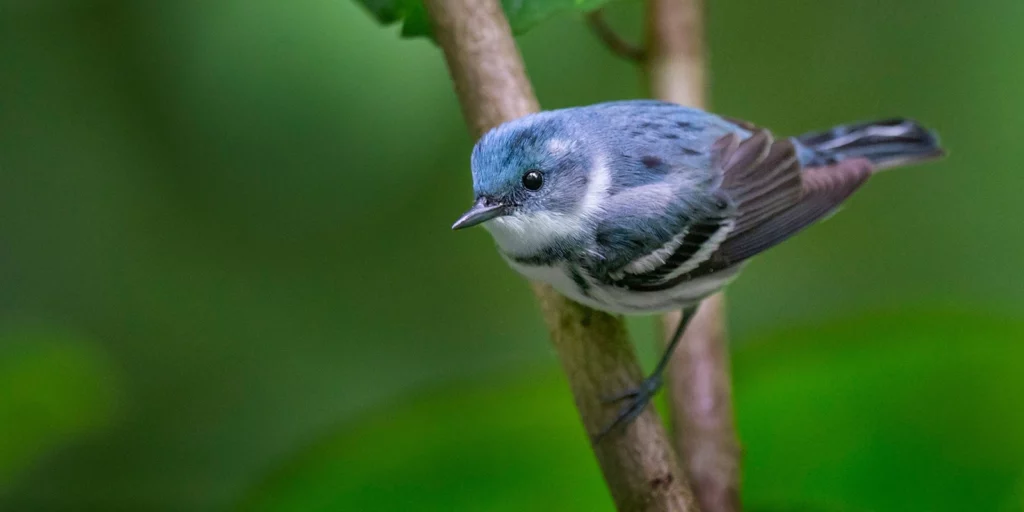
FUNDING GOAL $12,175 DONATE TO PROAVES Verified for authenticity Learn More IMPACT PROMISE Our Partners are carefully selected due to their high conservation impact Partner Snapshot Partner Name Fundación ProAves Location: El Dorado Nature Reserve, Sierra Nevada de Santa Marta, Colombia Appeal Category: Ecosystem Restoration Endangered Species Protected Area Management Reforestation Wildlife Conservation Key Species: Santa Marta Parakeet Santa Marta Toro San Lorenzo Harlequin Frog Challenges And Threats: Illegal Invasions to claim and clear forest Vacation home developments Cattle pasture lands Actions: Reserve rangers Improve Protection Forest restoration The Challenge On Colombia’s Caribbean shores stands the highest coastal mountain on earth. The Sierra Nevada de Santa Marta is a corrugated pyramid of rock that rises almost four miles high. This ancient massif that dates back to the Jurassic period contains a microcosm of the entire planet from deserts to rainforest to glaciers with an extraordinary diversity of plants and animals found nowhere else. It is regarded as the planet’s single most important site for threatened and endemic biodiversity, as it boasts the highest concentration of endemic bird species in the world. As a result, the prestigious journal Science dubbed the area the “Most Irreplaceable Site on Earth” and a major priority for biodiversity conservation. Located on the Sierra Nevada’s most vulnerable northwestern flank—less than ten miles from the city of Santa Marta—is perhaps the world’s most important nature reserve: El Dorado. Established in 2005 by our Colombian partner Fundación ProAves, the reserve protects over 3,200 acres, safeguarding habitat for threatened species such as the Critically Endangered Santa Marta Toro and the Santa Marta Harlequin Frog. However, in recent years land speculation around the reserve has spiraled out of control as the reserves offers surrounding areas with exceptional natural resources such as clean water, cooler climes and spectacular views. Unfortunately this speculation has spurred some unscrupulous individuals to try and illegal invade some parts of the reserve to claim land and then sell it. ProAves is desperate to increase protective measures at this Reserve. Urgent Solutions Following decades of uncontrolled colonization and agricultural expansion, less than 15 percent of the Sierra Nevada de Santa Marta’s original highland forest remains intact. All the more important that the El Dorado Nature Reserve represents one of the last refuges of strict protection for this mecca of endemic biodiversity. Principle threats include illegal invasions of the reserve to claim and clear forest then sell it for vacation home developments. The construction of vacation homes in the cooler climes of the mountain poses a growing danger to the forests and with land prices quadrupling each year, the demand for land is putting immense pressure on the reserve boundaries and what little forest survives outside the reserve. Unfortunately, the area’s many endangered and endemic species are concentrated in these cooler montane forests where threats are greatest. Almost every endemic species in the massif is struggling to survive amidst the continued destruction of their habitat. This appeal will provide critical resources to fund and equip three new Reserve Rangers, establish a new Ranger Station where threats are greatest and establish a communication network for alerts across the reserve to rapidly respond to threats. Why Your Donation Matters With invasions and deforestation placing this biodiversity jewel at tremendous risk, our partner urgently seeks support increase protective measures with additional reserve Rangers, new ranger stations and a communications system for alerts across the reserve. Your help will ensure the reserve continues to be a safe haven for the planet’s most important biodiversity hotspot. Partner Qualifications IUCN Member Verified Partner Legally Constituted Top Accountability Effective Impact Conservation Action Heroes