
Promoting Coexistence: Support Communities To Protect People And Wildlife
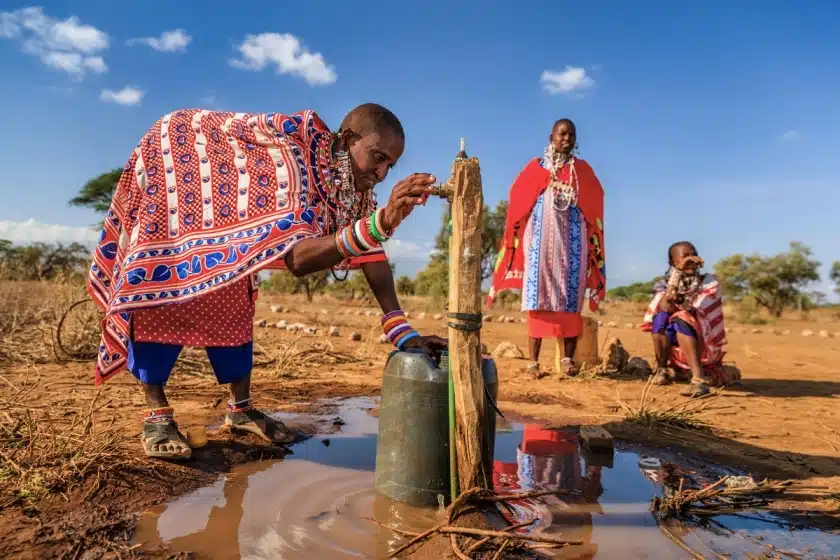
DONATE TO CONSERVATION ALLIANCE OF KENYA Verified for authenticity Learn More IMPACT PROMISE Our Partners are carefully selected due to their high conservation impact Partner Snapshot Partner Name Conservation Alliance of Kenya Location: Multiple Key Ecosystems in Kenya Appeal Category: Community Support and Development Capacity Building & Training Government Policy Key Species: African Savannah Elephant African Lion East African Cheetah Challenges And Threats: Mangrove deforestation Land encroachment Wastewater pollution of the environment from near communities Human-wildlife conflict (livestock predation, crop damage, and potential injury) Lack of vehicles to support transport of professional in deescalating conflicts and treating injured people/wildlife Insufficient training programs Actions: Build community trust through capacity-building sessions with rangers and locals Implement predator-proof solutions and provide essential resources like motorbikes and field vehicles for rapid response Reform policies and laws, while constructing water infrastructure to reduce human-wildlife conflict The Challenge Human-wildlife conflict is escalating in key ecosystems across Kenya, both within and outside protected areas. Incidents of livestock predation, crop destruction, and threats to human life are becoming more frequent as wildlife and human populations increasingly overlap. These conflicts threaten not only vulnerable species like elephants, lions, and cheetahs but also the well-being of local communities. Degraded habitats, unsustainable land-use practices, and conflicting laws and policies further exacerbate the situation. In many cases, efforts focus heavily on wildlife protection, with insufficient attention to the needs of affected communities. The current resources and capacity to manage these conflicts are limited, leaving communities vulnerable and wildlife at risk. Urgent action is needed to create sustainable solutions that address both human and wildlife needs, including the provision of water resources to reduce conflict. Urgent Solutions To mitigate the rising tension between wildlife and communities, several urgent actions are proposed: Launch grassroots capacity-building sessions to foster trust between rangers and local communities, ensuring a collaborative approach to conflict resolution Implement predator-proof solutions that are scalable and adaptable to various regions, reducing livestock losses and improving community safety Reform existing policies, laws, and strategies to better balance wildlife conservation with human needs Provide essential resources like electric motorbikes for rapid response to conflict incidents and a four-wheel-drive vehicle to enhance mobility in the field Support the construction of water dams and other vital infrastructure to minimize competition between humans and wildlife over resources These actions will help build resilient communities that can coexist with wildlife, ultimately protecting both people and endangered species. Why Your Donation Matters Your donation is critical in preventing the extinction of endangered species, including elephants, lions, and cheetahs, while promoting peaceful coexistence between humans and wildlife. By supporting this initiative, you are helping to protect some of the world’s most iconic species from the threat of extinction. With your support, communities will gain the resources and knowledge they need to manage conflicts with wildlife, ensuring that both people and animals thrive. Together, we can reduce the risk of injury, loss of livelihood, and species decline, creating a sustainable future for Kenya’s ecosystems. Every contribution brings us one step closer to achieving harmony between humans and nature, protecting biodiversity for generations to come. Partner Qualifications IUCN Member Verified Partner Legally Constituted Top Accountability Effective Impact Conservation Action Heroes
Save The Mangroves Of Cambodia
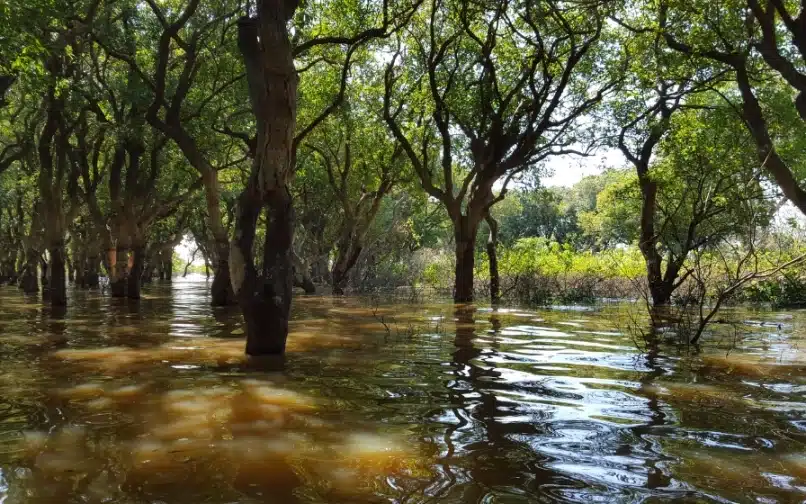
DONATE TO NGOF Verified for authenticity Learn More IMPACT PROMISE Our Partners are carefully selected due to their high conservation impact Partner Snapshot Partner Name NGO Forum on Cambodia (NGOF) Location: The Chrolong fishery community, the Preynop district, and the Sihanoukvile province (Cambodia) Appeal Category: Community Support and Development Ecotourism Reforestation Key Species: Mangrove Sea Dolphin Ell Challenges And Threats: Mangrove deforestation Land encroachment Wastewater pollution of the environment from near communities Actions: Capacity development Environmental site management and strategic planning Nursery management and tree planting Hospitality and ecotourism services The Challenge The coastal communities of Cambodia, located in a region abundant with natural resources and biodiversity, are facing significant environmental conservation challenges. Community leaders and local authorities lack the capacity to manage these areas effectively and illegal fishing and deforestation are prevalent, driven by the financial struggles many community members face. The community has very limited financial resources to support patrol efforts to protect its natural resources and biodiversity. Urgent Solutions Their urgent solutions include: Policies and Laws Influence (PALI): NGO Forum on Cambodia collaborates closely with citizens to gather their input on new laws and policies, and engages with policymakers to discuss key recommendations. The goal is to ensure that new bills and policies are inclusive and cause no harm to nature or society. Promoting Solidarity Actions for Community Harmonization and Sustainability (SACHAS): NGOF works with all stakeholders at the grassroots level to assess their capacity and resources, both natural and man-made. This initiative also provides capacity-building support and financial resources to help communities pursue sustainable development while protecting and conserving natural resources and biodiversity, locally and beyond. Strengthening Resilient, Innovative, and Transformative Institutions (RITI): NGOF supports grassroots and community-based organizations, along with civil society groups, to strengthen their capacity in organizational development, program design, resource mobilization, and advocacy. Once empowered, these organizations can effectively contribute at both policy and community levels, promoting natural resource and biodiversity conservation alongside long-term livelihood development. Why Your Donation Matters It is essential to strengthen NGO Forum on Cambodia’s capacity to manage and conserve natural resources and biodiversity. This will help protect and increase many populations of Cambodia’s endangered species. Additionally, the livelihoods of community members will improve through ecotourism activities and sustainable development. Mangroves absorb carbon and contribute to climate change resilience. By supporting this effort, you will play a key role in creating a lasting legacy for both nature and humanity. Partner Qualifications IUCN Member Verified Partner Legally Constituted Top Accountability Effective Impact Conservation Action Heroes
FUNDAECO
DONATE TO FUNDAECO Verified for authenticity Learn More IMPACT PROMISE Our Partners are carefully selected due to their high conservation impact Partner Snapshot Partner FUNDAECO Location Guatemala Category Community Support & Development Land Purchases Protected Area Management Urgent Appeals None currently Date Founded 1990 Website fundaeco.org.gt Partner Qualifications IUCN Member Legally Constituted Effective Impact About FUNDAECO FUNDAECO is a Guatemalan organization dedicated to nature conservation and sustainable community development. Established in 1990, FUNDAECO works to preserve biodiversity and to promote sustainable livelihoods in partnership with over 200 rural communities across the country, in over 20 Protected Areas and Nature Reserves. Their Challenges In a world increasingly threatened by the global climate crisis, Guatemala’s ecosystems also face threats from illegal logging and deforestation, trafficking of endangered species, forest fires (both accidental and intentional), unsustainable exploitation of natural resources, and rapid population growth. FUNDAECO focuses its efforts on the protection of forests and other vital and highly vulnerable ecosystems, to conserve the rich biodiversity that inhabits Guatemala. Working collaboratively with local communities, they seek to build a sustainable future for the country. Their Approach FUNDAECO promotes the establishment and management of Nature Reserves and Protected Areas, and the development of sustainable land uses and livelihoods for local communities. Over the past 35 years of continued conservation work, FUNDAECO has achieved: A network of more than 15 natural reserves encompassing over 50,000 acres A network of more than 15 ecotourism sites open to visitors, with high scenic quality and ecological value A network of 5 institutional biocenters or regenerative farms, planted with experimental and diversified Agroforestry Systems A network of 34 women clinics that provide reproductive health services (including access to family planning) for communities in protected areas A REDD+ Project validated by VCS with a total area of more than 125,000 acres with more than 1,000 partners-forest owners within the grouped project A technical assistance program for the establishment of agroforestry systems for the generation of sustainable income and for carbon sequestration, with more than 300 partners and more than 3,700 acres planted A network of more than 15 Metropolitan Ecological Parks, vital components of the Metropolitan Ecological Green Belt of Guatemala City With more than 30 years of implementation, the Guatemalan Caribbean Bird Monitoring Program is one of the longest-running in Latin America and the longest in Central America A network of 9 Fishing Recovery Zones established in the Caribbean of Guatemala, for the protection of marine biodiversity and the support to sustainable artisanal fisheries for hundreds of families in fishing communities Why They Need Your Help Over the years, FUNDAECO has maintained a consistent effort to defend ecosystems and their people, to protect unique and endangered wildlife species, and to promote the sustainable development of hundreds of rural communities. Your contribution will help them replicate and expand the scope of our actions across the country. Your support is critical for the conservation of the Maya rainforest, the protection of some of the most pristine cloud forests in Central America, the preservation of some of the rarest species of salamanders, and the conservation of vital migratory and stopover habitats for migratory birds, among other important conservation objectives. The biodiversity of Guatemala and Central America is a unique and irreplaceable natural heritage for the planet. Join FUNDAECO in safeguarding the Natural Bridge of the Americas!
Applied Environmental Research Foundation (AERF)
DONATE TO AERF Verified for authenticity Learn More IMPACT PROMISE Our Partners are carefully selected due to their high conservation impact Partner Snapshot Partner Applied Environmental Research Foundation (AERF) Location India Category Community Support & Development Ecosystem Restoration Wildlife Conservation Urgent Appeals Save 1,000 Giant Trees in the Western Ghats Date Founded 1995 Website www.aerfindia.org Partner Qualifications IUCN Member Legally Constituted Effective Impact About AERF Since 1995, AERF has been achieving on-the-ground conservation in the Western Ghats, a global biodiversity hotspot, with the active participation of local communities. AERF implements its conservation strategies through five key programs that effectively engage diverse stakeholder groups: 1. Sacred Groves Conservation 2. Applied Biodiversity 3. Communities, Conservation 4. Green Entrepreneurship 5. Business and Biodiversity AERF pioneered incentive-based conservation of privately owned forests in India. In 2007, they launched the MyForest initiative to expand conservation efforts. Through this initiative, AERF has successfully prevented deforestation and conserved globally threatened species across 15,000 acres of privately owned, biodiversity-rich forests in the northern Western Ghats. Additionally, AERF has scaled sacred grove conservation—traditionally protected old-growth forest fragments—across 150 villages in three districts, helping protect endangered species such as the Great hornbill, Indian ground pangolin, Asiatic wild dog, White-rumped vulture, Indian leopard, and Indian gaur. AERF is also responsible for establishing India’s first FAIRWILD certified operation, Nature Connect India Pvt. Ltd. This initiative has brought approximately 7,500 acres of biodiversity-rich forests under sustainable management. This approach has provided sustainable income to local communities while creating inclusive and transparent supply chains for global companies. Their Challenges AERF operates in the open forest landscapes of the northern Western Ghats in Maharashtra. Approximately 90% of the forest areas in this region are owned and managed by local communities. As a result, there is immense pressure on natural resources, as selling land for resort construction and large-scale deforestation due to agricultural expansion are common strategies adopted by locals to generate quick income. This has a significant negative impact on biodiversity and the delivery of ecosystem services. The lack of skills and capacity among locals has led to the overexploitation and indiscriminate felling of economically important trees, reducing the economic productivity of the forests and creating a cascading effect on lesser-known species that depend on these trees. Furthermore, forest degradation results in landslides and wildfires, bringing the entire ecosystem to the brink of collapse and posing an existential threat to local communities. Their Approach AERF focuses on conserving biodiversity-rich forests in the northern Western Ghats through a community-driven, incentive-based approach. Working closely with local communities, AERF implements strategies that prioritize the sustainable management of privately owned forests, which make up the majority of the region’s forest areas. AERF’s MyForest initiative has successfully conserved 12,000 acres of private forests by offering incentives to landowners, promoting sustainable practices, and ensuring biodiversity preservation. AERF also emphasizes the restoration of sacred groves, traditionally protected old-growth forest fragments, and improving landscape connectivity between these critical areas. By engaging communities in sustainable forest management, AERF addresses deforestation and overexploitation of key resources. Their FAIRWILD certified operation, Nature Connect India Pvt. Ltd., further supports these efforts by creating forest-based value chains that provide sustainable income to over 500 community members. This initiative currently manages 7,500 acres of biodiversity-rich forests under sustainable practices. Through their innovative, community-focused approach, AERF ensures the long-term conservation of critical ecosystems while supporting local livelihoods. Why They Need Your Help Advancing conservation within a social context and ensuring its sustainability at scale requires long-term financial support and investment. Donations will be crucial in renewing conservation agreements for another 10 years. Depending on the level of support, these funds can help AERF protect an additional 500 Giant trees and expand value chains under the MyForest initiative. AERF has developed diverse approaches to achieving conservation, aligning their efforts with sustainable economic development for local communities and ecosystem preservation as part of climate change mitigation. With financial backing, they are committed to delivering high-quality, impactful conservation outcomes.
RSPN Bhutan
DONATE TO RSPN BHUTAN Verified for authenticity Learn More IMPACT PROMISE Our Partners are carefully selected due to their high conservation impact Partner Snapshot Partner Royal Society for Protection of Nature (RSPN) Bhutan Location Bhutan Category Community Support and Development Capacity Building and Training Endangered Species Urgent Appeals Save Bhutan’s White-bellied Herons From Extinction Date Founded 1987 Website www.rspnbhutan.com Partner Qualifications IUCN Member Legally Constituted Effective Impact About RSPN Bhutan RSPN Bhutan was established in 1987 under the command of His Majesty, the Fourth King of Bhutan, as a citizen-based non-governmental organization dedicated to the conservation of the Kingdom’s environment. Her Majesty, the Queen of Bhutan, is the current Royal Patron of the organization. RSPN Bhutan is managed by seven Board Directors, with the Executive Director serving as the head of the organization. RSPN Bhutan supports and oversees conservation programs as a complementary effort to government initiatives, using a systematic approach to implement sustainable solutions to emerging environmental challenges through innovation, citizen engagement, environmental education, and empowerment. RSPN currently focuses on six areas: Species and Habitat Wetland and Freshwater Environmental Education Sustainable Livelihood Waste and Pollution Climate Change Adaptation and Resilience These six areas were developed based on national and international priorities and are aligned with the Sustainable Development Goals (SDGs), which are interconnected and interdependent in nature. RSPN Bhutan’s conservation efforts have been recognized by several awards, including the MacArthur Award for Creative and Effective Institutions in 2010, the National Order of Merit (Gold) by His Majesty the King of Bhutan during the 109th National Day celebration in 2016, the ADB Civil Society Partnership Award in 2017 in Yokohama, Japan, the SDG Achievers and Leaders Award in Thimphu in 2018, and the Energy Global Award from Advantage Austria and the United Nations Industrial Development Organization in 2020. Their Challenges The greatest challenges RSPN Bhutan faces are a lack of funding and limited capacity of their facilities in addressing the conservation of Bhutan’s biodiversity and socio-economic impacts of climate change. Some of the specific challenges are: Habitat fragmentation and degradation due to developmental activities in the country Poverty Human-Wildlife conflicts Subsistent farming Limited support from International donors Limited resources and infrastructure to support ex-situ conservation and breeding program of White-bellied herons Lack of conservation awareness among citizens Impacts of climate change on biodiversity and communities Their Approach RSPN Bhutan uses nature-based solutions to address conservation with six focus areas. They prioritize the conservation and protection of the White-bellied Heron and Black-necked Crane. RSPN also leads environmental education programs, promoting awareness and advocacy for environmental issues amongst citizens. They collaborate with communities on sustainable development initiatives that enhance livelihoods and foster active participation in conservation projects. Some examples of their conservation projects are: Conducting annual White-bellied Heron and Black-necked Crane surveys to track population dynamics within their habitats and ecosystems Restoring degraded habitats and lands Engaging communities in the conservation and management of the six thematic focus areas Managing watersheds and springsheds Mitigating human-wildlife conflicts through electric, barbed wire, and natural stone fencing Promoting high-end climate-smart agriculture (both crop and livestock) to enhance the livelihoods of local communities Creating nature clubs in schools Promoting eco-tourism in Black-necked crane and White-bellied heron habitats Conducting environmental education, awareness, and advocacy for all citizens on pressing environmental issues (waste and pollution, freshwater and wetlands, climate change, etc) Youth engagement and formation of youth groups for agriculture and livestock production to increase livelihood opportunities for local communities Ex-situ conservation of the White-bellied heron in conservation and breeding centers as part of population restoration programs Leading climate-smart drinking projects and kitchen-garden irrigation facilities for rural communities Why They Need Your Help RSPN Bhutan works tirelessly to lead critical conservation activities. They do not receive financial support from the Royal Government of Bhutan and have relied on international donors for the past 37 years. However, it is becoming increasingly difficult to secure these resources without strong international partnerships. By collaborating with organizations like Conservation Allies and receiving support from international donors, RSPN Bhutan can continue its critical conservation efforts, setting an example for other national and international partners to follow.
ADHET Chad

DONATE TO ADHET Verified for authenticity Learn More IMPACT PROMISE Our Partners are carefully selected due to their high conservation impact Partner Snapshot Partner The Alliance of Human Rights and Environmental Defenders (ADHET) Location Chad, Africa Category Community Support and Development Capacity Building and Training Reforestation Urgent Appeals Help Purchase Tree Nurseries To Save Chad’s Forests Date Founded 2011 Website www.alliance-adhet.org Partner Qualifications Verified Partner Legally Constituted Effective Impact About ADHET ADHET is a coalition of human rights associations, individuals, defenders of human rights, and advocates for nature, dedicated to prioritizing environmental protection alongside the defense of human rights. The association comprises active and supportive members, including young men, women, and key resource individuals. ADHET’s primary mission is to advance the causes of human rights and environmental protection. It serves as a platform for raising awareness, mobilizing citizens, and training them to adopt behaviors that promote environmental conservation. The organization also fights against legal abuses and human rights violations while promoting a culture of peace, environmental protection, and combating desertification nationwide. ADHET has established a presence in 55% of the national territory. Their Challenges Like many other nations, Chad is grappling with the damaging effects of climate change. Due to its geographic location, the country faces several environmental issues, including: Rapid desertification Destruction of forests and wildlife Limited access to information, education, and training on environmental matters The use of harmful, unapproved pesticides and herbicides ADHET is dedicated to tackling these challenges and mitigating the environmental pressures Chad is experiencing. Their Approach ADHET employs effective techniques and approaches to help reverse Chad’s environmental degradation by fostering behavioral change, shifting mindsets, and raising community awareness. Our initiatives include: Conducting extensive training and educational campaigns, using visual and instructional materials to highlight the importance of environmental protection. Raising awareness of environmental laws to ensure compliance and conservation efforts. Leading reforestation projects in targeted areas and managing tree nurseries, where young plants are made available to the public at subsidized prices. Why They Need Your Help By supporting ADHET, you are investing in a vital force for environmental transformation in Chad. ADHET is uniquely positioned to address the country’s most pressing environmental challenges, including desertification, deforestation, and the lack of environmental education. Through proven techniques, ADHET empowers communities by raising awareness, providing essential training, and fostering a culture of environmental stewardship. Their impactful initiatives include engaging awareness campaigns, distributing key environmental protection resources, and leading reforestation efforts that not only restore vital ecosystems but also make affordable young plants accessible to local communities. Your donation will enable ADHET to continue and expand these crucial programs, creating a lasting impact in the fight against environmental degradation and ensuring a sustainable future for Chad.
Population Health and Environment (PHE) Ethiopia
DONATE TO PHE Verified for authenticity Learn More IMPACT PROMISE Our Partners are carefully selected due to their high conservation impact Partner Snapshot Partner Population Health and Environment (PHE) Ethiopia Location Ethiopia Category Community Support and Development Education Endangered Species Urgent Appeals None currently Date Founded 2008 Website www.phe-ethiopia.org Partner Qualifications IUCN Member Legally Constituted Effective Impact About PHE Ethiopia The Population Health and Environment Ethiopia Consortium (PHE) was founded in 2008 with 44 members and later re-registered as a consortium of civil society organizations in 2019. The Consortium’s mission is to promote a comprehensive, integrated, and multi-sectoral PHE developmental approach in Ethiopia. Presently, PHE consists of 99 member organizations, comprising both national and international CSOs/NGOs. Working alongside their members and partners, they are carrying out various projects and programs, impacting over 2 million direct and indirect beneficiaries. As a local CSO consortium organization, PHE plays a pivotal role as a bridge between many diverse actors particularly in advocating for the improvement of the civil space and strengthening the watchdog role of CSOs in their rights. Their ability to partner with communities, CSOs, Universities, government ministries, the private sector, and the media is making us better positioned for a comprehensive approach to sustainable development. PHE in partnership with other partners like USAID is working to push important initiatives forward such as the localization agenda. VISION: See Ethiopia with sustainable resource use, resilient ecosystems, sustainable livelihoods, and a healthy population. MISSION: To contribute to sustainable development in Ethiopia by promoting and enhancing the integration of population, health, and the environment through multi- sectoral approaches. VALUES: Respect for Human Well-being and Nature; Inclusiveness; Equity and Equality; Accountability; Community Participation, Empowerment, and Ownership Goal 1: Contribute to socioeconomic development and productive societythrough harnessing demographic dividend and market-oriented diversification oflivelihood base Goal 2: To contribute to reproductive, maternal, and child health outcomes atnational and international level Goal 3: Contribute to resilience building to climate change, conservation ofnature, and environmental sustainability at the national and global level Goal 4: Strengthen the consortium to be vibrant and provide standardorganizational development and capacity-strengthening services to CSOs in Ethiopia Goal 5: Contribute to gender equality and social inclusion outcomes Goal 6: To contribute to inclusive development and democratization throughintegrating human rights, humanitarian response, and peace-building interventions indevelopment actions Their Challenges The key challenges to nature in Ethiopia are: The limited values and attention to nature Limited resources allocated for nature conservation Limited harmonization of actions of the different sectors (agriculture, water,conservation and so on) The smallholder and other investment land expansion Poor knowledge and awareness gap about nature and biodiversity Poor coordination between the different sectors Poor enforcement of legal frameworks Poor community level engagement and benefit sharing mechanism Youth unemployment and lack of proper planning Their Approach PHE has seven strategic focus areas: Health; Population, Youth Engagement and Livelihood; Environment and Climate Change; Gender and Social Inclusion; Human Rights, Democracy and Humanitarian Response; and Organizational Development and Capacity Strengthening; and Research, knowledge Management and Advocacy. All the seven strategic focus areas are structured with consideration of achieving optimum results by exploring the values of integrated interventions which identifies the interfaces of each thematic areas with other sectors thereby exploring ways of creating synergy and complementary of the actions. There are different activities and actions identified under the different thematic focus areas of the organization. The PHEEC’s program design takes the multi-sector integrated approaches into consideration. The current initiatives of PHEEC have covered key conservation sites and biodiversity hotspot areas such as Biosphere Reserve sites, parks, forest sites, wetlands and community conservation sites. The key specific activities related to conservation are focused on strengthening the capacities of government and community structures for conservation of wildlife like Swayne’s hartebeest and other important biodiversity including forests. In all of their conservation actions, they promote multi-sector integrated and shared management practices. They also consider social safeguarding and also the well-being of the local communities by supporting them to get benefits out of conservation actions thereby contributing sustainable management of biodiversity. Why They Need Your Help Donations to PHE will be used to improve conservation practices in Ethiopia, focusing on key strategic and policy-level actions. The funds will support these actions at the grassroots level with aims to chance policy for the benefit of the people and environment.
Dahari
DONATE TO DAHARI Verified for authenticity Learn More IMPACT PROMISE Our Partners are carefully selected due to their high conservation impact Partner Snapshot Partner Dahari Location Comoros Category Community Support and Development Ecosystem Restoration Endangered Species Urgent Appeals Coming soon Date Founded 2013 Website www.daharicomores.org Partner Qualifications IUCN Member Verified Partner Legally Constituted Effective Impact Version française ci-dessous (French version) About Dahari Dahari was created in 2013 to support rural communities to restore the ecosystems of the Comoro Islands. Dahari’s team of 60 incentivises farmers and fishers to put key areas of remaining forest and reef into permanent protection to secure biodiversity and ecosystem services. Their Challenges Over the past 30 years, the Comoros have suffered from one of the highest rates of deforestation in the world and rank in the top ten countries most vulnerable to coral reef degradation. This is in part due to inequalities in how land and resources were allocated at independence, forcing poorer people into livelihoods based on unsustainable resource extraction. Today, population density on the island of Anjouan is around 900 people per km 2 , putting extremely high pressure on remaining natural resources. Their Approach Dahari implements three models across the islands of Anjouan and Grande Comore: a forest program through which farmers sign individual conservation agreements to restore key areas for biodiversity and water provisioning; an agroforests program through which farmers plant 50,000 trees per year in their fields; a marine program focused on supporting fishers to implement a network of community-led no-take zones. Why They Need Your Help The Comoros are isolated and often forgotten by traditional donors. Your contributions will support Dahari’s work to restore key areas of forest and reef for people and biodiversity. À propos de Dahari Créée en 2013, Dahari accompagne les communautés rurales dans la restauration des écosystèmes des Comores. Son équipe de 60 personnes encourage les agriculteurs et les pêcheurs à protéger durablement des zones clés de forêt et de récif afin de préserver la biodiversité et les services écosystémiques. Leurs défis Au cours des 30 dernières années, les Comores ont subi l’un des taux de déforestation les plus élevés au monde et figurent parmi les dix pays les plus vulnérables à la dégradation des récifs coralliens. Cette situation est due en partie aux inégalités dans la répartition des terres et des ressources lors de l’indépendance, contraignant les populations les plus pauvres à vivre d’une extraction non durable des ressources. Aujourd’hui, la densité de population sur l’île d’Anjouan est d’environ 900 habitants par km², ce qui exerce une pression extrêmement forte sur les ressources naturelles restantes. Leur approche Dahari met en œuvre trois programmes sur les îles d’Anjouan et de Grande Comore : Programme forêts: dans le cadre duquel les agriculteurs signent des accords de conservation individuels pour restaurer des zones clés pour la biodiversité et l’approvisionnement en eau. Programme agroforêts: les agriculteurs plantent 50 000 arbres par an dans leurs champs. Programme marin: soutien aux pêcheurs pour la mise en place d’un réseau de réserves permanentes (zones interdites à la pêche) gérées par les communautés. Pourquoi ils ont besoin de votre aide Les Comores sont isolées et souvent oubliées par les donateurs traditionnels. Vos contributions soutiendront le travail de Dahari pour restaurer des zones clés de forêt et de récif, essentielles à la population et à la biodiversité.
Defensores de la Naturaleza
DONATE TO DEFENSORES DE LA NATURALEZA Verified for authenticity Learn More IMPACT PROMISE Our Partners are carefully selected due to their high conservation impact Partner Snapshot Partner Defensores de la Naturaleza Location Guatemala, Latin America Category Community Support and Development Wildlife Conservation Protected Area Management Urgent Appeals Protecting Guatemala’s Cloud Forest From Devastating Wildfires Date Founded 1986 Website www.defensores.org.gt Partner Qualifications IUCN Member Verified Partner Legally Constituted Top Accountability Effective Impact Conservation Action Heroes About Defensores de la Naturaleza Defensores de la Naturaleza is the formal environmental organization with the longest history in Guatemala, having been managing and carrying out conservation activities for more than 40 years. Their work has contributed to the conservation of 80% of the Guatemalan flora and fauna species, as well as the management of more than 87 watersheds that supply water to more than 500,000 inhabitants. They are currently responsible for the protection and management of 4 protected areas in the country: Sierra de las Minas Biosphere Reserve, Bocas del Polochic Wildlife Refuge, Sierra del Lacandón National Park, and United Nations National Park. These areas are home to much threatened biodiversity, including the Guatemalan fir, the Yucatán black howler monkey, the Jaguar, the Horned guan, the American manatee, and the Resplendent quetzal. Their Challenges Forest fires are one of the main threats to the degradation of ecosystems and biodiversity in the protected areas that Defensores de la Naturaleza co-manages. For this reason, accessing continuous funding to carry out forest fire monitoring and control, especially during the dry season, has become one of their main challenges. Another key focus is to persist in their biological monitoring endeavors, aiming for a conservation model rooted in evidence and data. Simultaneously, their ongoing efforts involve exploring avenues to assist communities residing near protected areas in adapting to climate change. This encompasses initiatives such as promoting water access, implementing ecosystem-based adaptation strategies, establishing agroforestry systems, and providing support to local associations, all of which have their unique challenges. Their Approach Defensores de la Naturaleza adheres to five strategic pillars of action to achieve their goals: Climate Action and Resilience: Promoting effective initiatives that contribute to mitigating the effects of climate change and enable local populations to adapt and be resilient in the long term Natural Areas and Biodiversity: Establishing measures that contribute to the management and protection of areas crucial for the conservation of biological diversity Environmental Education and Awareness: Supporting the teaching-learning process to strengthen capacities, generate positive attitude changes, and instill environmental care in future generations Organizational Development: Focusing on achieving the optimal functioning of the organization by ensuring the alignment of processes, the efficiency of program execution, and the management of human talent Citizen Advocacy: Seeking to influence decision-making spaces at national and international levels, connecting with individuals and organizations dedicated to the conservation and protection of the environment Why They Need Your Help Defensores de la Naturaleza plays a crucial role in safeguarding Guatemala’s biodiversity. The Protected Areas they manage represent 5% of the Guatemalan territory, supporting over 400 communities dependent on the provided natural resources. Sustaining the protection and effective management of these biodiverse regions requires ongoing financial support for professional salaries and expertise, proper equipment maintenance, expanded research initiatives, improved research stations, and the continuous creation of communication materials to raise national awareness about the environment’s significance.
Reserva Tesoro Escondido
DONATE TO TESORO ESCONDIDO Verified for authenticity Learn More IMPACT PROMISE Our Partners are carefully selected due to their high conservation impact Partner Snapshot Partner Tesoro Escondido Reserve Foundation Location Ecuador, Latin America Category Community Support and Development Scientific Research Wildlife Conservation Urgent Appeals Help support Tesoro Escondido Reserve Parabiologists Date Founded 2016 Website www.tesororeserve.org Partner Qualifications Verified Partner Legally Constituted Top Accountability Effective Impact Conservation Action Heroes About Tesoro Escondido Reserve Foundation The Tesoro Escondido Reserve Foundation works to conserve the highly threatened lowland Ecuadorian Chocó forest through participatory scientific research, environmental education, and sustainable community projects. It protects a 5,000 acre nature reserve that many endangered and endemic species depend upon for their survival, including the Ecuadorian brown-headed spider monkey. Their Challenges The Chocó lowland forest is threatened by several anthropogenic activities, mainly timber extraction and agriculture. Flora and fauna in this forest are still understudied and many species haven’t been described yet. Furthermore, local communities are not aware of the highly biodiverse area they live in, making its conservation a challenge. Mining in the near future may become a major additional threat, as it is expanding throughout the country. Their Approach The Tesoro Escondido Reserve Foundation coordinates participatory scientific research, carrying out biodiversity surveys in the reserve at their scientific station. They also work with around 500 children in local communities around the reserve through their permanent environmental education program. They develop sustainable development community projects, particularly with local women to strengthen local businesses and capacity building. They also manage a coexistence project that reduces human-wildlife conflict with jaguars and other predators. The Foundation supports indigenous Chachi and mixed communities with habitat restoration projects and agroecology development. Why They Need Your Help The Tesoro Escondido Reserve Foundation needs donors’ support to guarantee the continuation of its activities, particularly core costs which allow them to pay staff salaries and fund the operations and improvements of their crucial research station.