
Build Nigeria’s Next Generation of Conservation Scientists
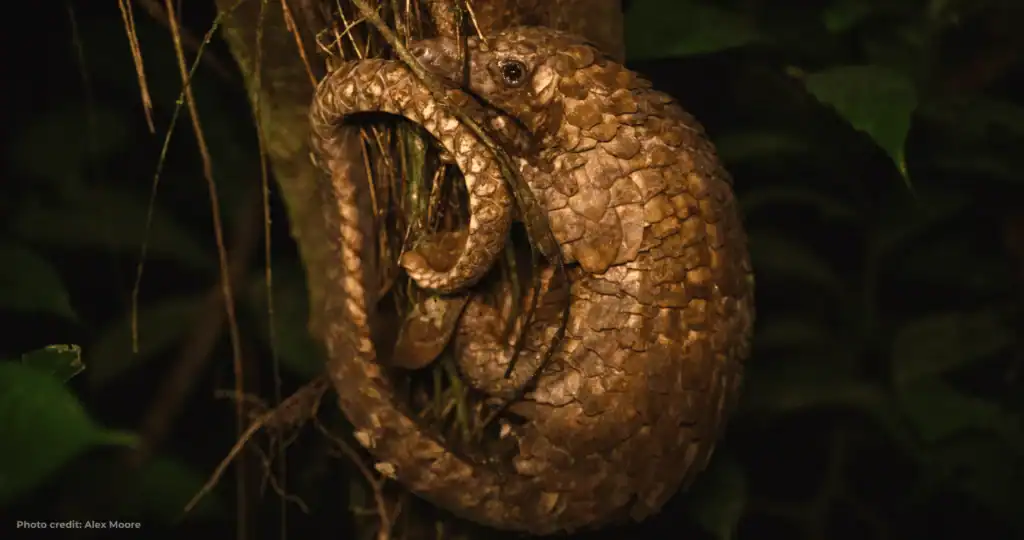
DONATE TO PANGOLINO Verified for authenticity Learn More IMPACT PROMISE Our Partners are carefully selected due to their high conservation impact Partner Snapshot Partner Name Pangolino Location: Cross River State, Nigeria, Africa Appeal Category: Community Support and Development Capacity Building and Training Wildlife Conservation Key Species: White-bellied pangolin Black-bellied pangolin Challenges And Threats: Limited conservation training infrastructure and research opportunities for young scientists in Nigeria Ongoing illegal hunting and trade of pangolins driven by livelihood dependence and weak enforcement Fragmented data and limited technical capacity to support evidence-based conservation decision-making Actions: Establish conservation research and training center in Cross River State Train early-career Nigerian conservation scientists and community practitioners Expand community-based pangolin conservation and monitoring programs The Challenge Cross River State is home to two of the world’s most heavily trafficked mammals, the white-bellied pangolin and black-bellied pangolin, both under intense pressure from illegal hunting and trade. Conservation capacity in the region hasn’t kept pace with that threat: few facilities exist to train, mentor, or equip Nigerian researchers, leaving a critical gap between the urgent need for evidence-based conservation and the people available to deliver it. Communities living alongside pangolins often depend on the same forests for their livelihoods, creating trade-offs between economic survival and biodiversity protection that demand locally grounded, scientifically sound solutions. Urgent Solutions Pangolino has already purchased land near Calabar—roughly the size of a soccer field—to build a Conservation Research and Training Center. The center will train early-career Nigerian scientists in field ecology, spatial analysis, and conservation science, while supporting the community-based programs already reducing pangolin hunting in the region: school conservation clubs, participatory monitoring, and co-designed interventions with local stakeholders. By integrating fieldwork, data science, and community collaboration, the center will generate the evidence needed to guide conservation strategy across Nigeria. Why Your Donation Matters Funding this center builds a durable pipeline of Nigerian conservation expertise rather than another short-term intervention. Donations will go directly toward computers, essential infrastructure, and stipends for students and early-career conservationists—resources that currently don’t exist in the region. Strengthening local capacity means conservation solutions stay rooted in local knowledge and leadership, which is what’s required to address the deeper drivers of pangolin hunting: poverty, limited livelihood options, and weak enforcement. The center will also sustain the community programs already underway, helping reduce pressure on pangolins while building a sustainable foundation for conservation science in West Africa. Partner Qualifications Verified Partner Legally Constituted Effective Impact
Pangolino
DONATE TO PANGOLINO Verified for authenticity Learn More IMPACT PROMISE Our Partners are carefully selected due to their high conservation impact Partner Snapshot Partner Pangolino Location Cross River State, Nigeria, Africa Category Capacity Building and Training Community Support & Development Wildlife Conservation Urgent Appeals Build Nigeria’s Next Generation of Conservation Scientists Date Founded 2022 Website www.pangolino.org Partner Qualifications Verified Partner Legally Constituted Effective Impact About Pangolino Pangolino is a Nigerian conservation nonprofit working to protect the White-bellied pangolin and Black-bellied pangolin through community-based conservation in Southeast Nigeria, where hunting remains the primary direct threat to both species. Their approach combines field research, conservation education, and collaborative community interventions that address the social and economic drivers behind wildlife exploitation. Pangolino has reached people through school conservation clubs, film screenings, and over 10,000 educational materials distributed to date. Their research, published in Nature Ecology & Evolution, produced one of the first detailed analyses of pangolin hunting and trade dynamics in Nigeria. Pangolino is co-developing community bylaws to reduce pangolin hunting while establishing a resilience fund to support local healthcare projects. Their Challenges Nigeria’s forests are disappearing. Agricultural expansion, logging, infrastructure development, and a rise in small-scale mining—including inside Protected Areas—have fragmented habitat and driven steep declines in wildlife populations across the country. In Cross River State, two of the world’s most trafficked animals, the White-bellied pangolin and Black-bellied pangolin, face relentless pressure from hunting and illegal trade driven by demand for food, income, and international trafficking networks. Conservation capacity compounds the problem. With limited funding, weak enforcement infrastructure, and insufficient investment in locally-led research, Nigeria’s globally significant biodiversity remains chronically underprotected—and the communities most connected to that wildlife often face poverty and food insecurity that make purely regulatory approaches ineffective. Their Approach Pangolino’s model is built on the premise that effective conservation has to be designed with—not for—the communities closest to wildlife. Field surveys, interviews, and behavioral assessments build the baseline data needed for evidence-based decisions, which feeds directly into targeted outreach: school conservation clubs, community meetings, film screenings, and awareness campaigns designed to shift long-term behaviors. Their flagship initiative takes that engagement further—working with local stakeholders to co-develop community bylaws limiting pangolin hunting, paired with a locally identified healthcare resilience fund that links biodiversity protection to tangible community benefit. Strengthening the pipeline of early-career Nigerian conservation scientists is also central to their work. Why They Need Your Help Donations support two priorities: expanding community-based programmes already underway—awareness campaigns, school clubs, participatory monitoring, and the community bylaw initiative—and establishing a Conservation Research and Training Centre near Calabar on a plot of land Pangolino has already secured. The centre will provide early-career Nigerian researchers with hands-on training in field ecology, conservation science, and data analysis: infrastructure and mentorship that currently has no equivalent in the region. Funds go toward computers, essential facilities, and stipends for students and practitioners who would otherwise have no pathway into conservation science.
Save Djibouti’s Last Gazelles, Cheetahs, and Wild Places
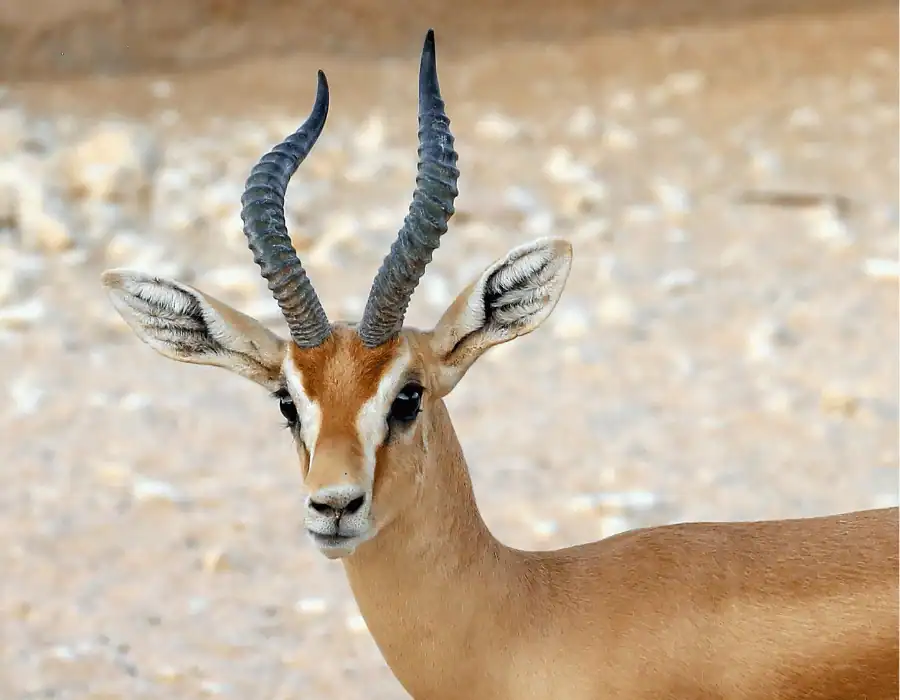
DONATE TO ADN Verified for authenticity Learn More IMPACT PROMISE Our Partners are carefully selected due to their high conservation impact Partner Snapshot Partner Name Association Djibouti Nature Location: Djalelo Protected Area, Djibouti, Africa Appeal Category: Endangered Species Community Support and Development Wildlife Conservation Key Species: Gerenuk (Near Threatened) Dorcas gazelle (Vulnerable) Soemmerring’s gazelle (Vulnerable) Challenges And Threats: Drought, irregular rainfall, and rangeland degradation Conflict over scarce resources between pastoralists, managers, and wildlife Biodiversity loss threatening species and livelihoods alike Actions: Restore rangelands through improved rainwater management Build inclusive dialogue platforms between herders and Protected Area managers Monitor and protect threatened wildlife through community-based conservation The Challenge The Djalelo Protected Area in Djibouti’s Arta Region is a cornerstone of the country’s natural heritage—and one of its most stressed. The site shelters emblematic and threatened species including the Gerenuk (Near Threatened), Dorcas gazelle (Vulnerable), and Soemmerring’s gazelle (Vulnerable). Its global scientific value was underscored by the 2019 rediscovery of the Somali sengi—long thought extinct and now recognized as a new genus for science—and by the 2023 confirmation of cheetahs in Djibouti for the first time in more than three decades. But the same landscape now faces converging threats. Recurrent droughts, increasingly irregular rainfall, and the degradation of rangelands are eroding ecological resilience and pushing fragile pastures toward irreversible collapse. As water and grazing become scarce, tensions rise—between pastoralist communities, Protected Area managers, and wildlife—over access to dwindling natural resources. And without dedicated species monitoring and community-based conservation, Djalelo’s rare and elusive mammals—including the maned rat, caracal, leopard, and the cheetahs rediscovered nearby—risk being lost before science has fully documented them. Urgent Solutions Association Djibouti Nature is leading three integrated lines of work at Djalelo, designed to address the Protected Area’s ecological, social, and biological challenges together. Donations to this appeal will directly support: Restoration of degraded rangelands through improved rainwater management, including the deployment of half-moon digging techniques that curb soil erosion, capture rainfall, and regenerate vegetation for both wildlife and livestock Establishment of inclusive dialogue platforms bringing pastoralist communities, Protected Area managers, and traditional and local authorities together to resolve resource-access tensions and co-design conservation measures Systematic biodiversity monitoring of Djalelo’s threatened species—including the Gerenuk, Dorcas gazelle, and Soemmerring’s gazelle—alongside the rare carnivores and elusive mammals documented in the area Public awareness and environmental education campaigns to build local stewardship and ensure long-term community engagement ADN team capacity, field equipment, and operations to sustain the work across the full project period Why Your Donation Matters Djalelo sits at the intersection of three of the hardest problems in modern conservation: a deepening climate crisis, contested access to natural resources, and a biodiversity register that is only beginning to be fully understood. None of these problems can be solved in isolation—and none of them will be solved without sustained investment in the people, the science, and the Protected Area itself. Your donation funds exactly that work. Through Conservation Allies, 100% of every dollar flows directly to ADN’s program—to the rangeland restoration, the community dialogue platforms, the species monitoring, and the on-the-ground engagement that together can secure Djalelo for the next generation of wildlife and the communities that share the landscape with them. For one of the most strategically important biodiversity sites in the Horn of Africa, this is the moment to act. Partner Qualifications Verified Partner Legally Constituted Effective Impact
Association Djibouti Nature
DONATE TO ADN Verified for authenticity Learn More IMPACT PROMISE Our Partners are carefully selected due to their high conservation impact Partner Snapshot Partner Association Djibouti Nature (ADN) Location Djibouti, Africa Category Endangered Species Community Support and Development Wildlife Conservation Urgent Appeals Save Djibouti’s Last Gazelles, Cheetahs, and Wild Places Date Founded 1999 Website djiboutinature.org Partner Qualifications Verified Partner Legally Constituted Effective Impact About Association Djibouti Nature Association Djibouti Nature (ADN) is one of Djibouti’s oldest and most experienced civil society organizations working in biodiversity conservation. The organization is an apolitical, membership-based grassroots nonprofit dedicated to safeguarding the country’s natural heritage while supporting sustainable local development in some of the most remote communities in the Horn of Africa. Though modest in size, ADN has built a strong reputation—both nationally and internationally—as a trusted partner in biodiversity conservation, environmental education, and community empowerment. The organization combines scientific research on Djibouti’s species and habitats with direct support for vulnerable rural communities living far from Djibouti City. Its credibility rests on transparency, rigorous independent audits, and a proven ability to bridge science, policy, and grassroots action. ADN’s mission is to contribute to national conservation efforts by combining scientific research, advocacy, and community engagement. Its vision is a Djibouti where people and nature coexist—with restored and protected sites, thriving species populations, and sustainable livelihoods for local communities. Their Challenges Djibouti’s biodiversity is under unprecedented strain. Climate change, erratic rainfall, and rising temperatures are accelerating desertification, while warming seas threaten the country’s coral reefs and mangroves. Expanding urbanization, overgrazing, and unsustainable farming erode fragile habitats, leaving iconic species increasingly at risk. The endemic Djibouti francolin (Critically Endangered), Egyptian vulture (Endangered), Bankoualé palm (Vulnerable), Beira antelope (Vulnerable), and the Hawksbill turtle are emblematic of a wider crisis affecting countless species across Djibouti’s terrestrial and marine ecosystems. Poaching, human–wildlife conflict, and competition between livestock and wildlife further compound these threats—while overfishing pressures Djibouti’s marine systems and enforcement gaps limit the reach of existing protections. Their Approach ADN combines rigorous science with grassroots action. Working with researchers from Duke University and the California Academy of Sciences, ADN led the 2019 rediscovery of the Somali sengi—a mammal long thought lost to science and ultimately redescribed as a new genus (Galegeeska). In 2023, ADN contributed to the first confirmed sighting of cheetahs in Djibouti in more than three decades, and documented the country’s first national record of the Lesser kudu. Alongside these scientific breakthroughs, ADN champions the protection of the Critically Endangered Djibouti francolin and key marine species including whale sharks. The organization works directly with pastoralist communities around Lake Abbé in Dikhil and fishing communities at Arta Plage to develop sustainable livelihoods that reduce pressure on Djibouti’s most fragile ecosystems. Why They Need Your Help As a small organization carrying outsized responsibility for one of Africa’s least-studied biodiversity regions, ADN relies on international donors to fund the scientific monitoring, community engagement, and environmental education that have become its trademark. Through Conservation Allies, 100% of every donation flows directly to the program—to the field surveys, the community livelihood work around Lake Abbé and Arta Plage, and the protected area engagement that together determine whether Djibouti’s wildlife has a future.
NATIVA
DONATE TO NATIVA Verified for authenticity Learn More IMPACT PROMISE Our Partners are carefully selected due to their high conservation impact Partner Snapshot Partner Naturaleza, Tierra y Vida (NATIVA) Location Bolivia, Latin America Category Community Support and Development Protected Area Management Wildlife Conservation Urgent Appeals Emergency Wildfire Response and Prevention in Bolivia Date Founded 2003 Website nativabolivia.org Partner Qualifications IUCN Member Verified Partner Legally Constituted Top Accountability Effective Impact Conservation Action Heroes About NATIVA Naturaleza, Tierra y Vida (NATIVA) is a Bolivian non profit that works to protect biodiversity across three of South America’s most important ecological regions—the Chaco, Chiquitania, and Pantanal. They pair science with strong community roots, collaborating with Indigenous communities, local governments, and civil society to safeguard endangered species, support sustainable livelihoods, and maintain ecological connectivity at a landscape scale. Their Challenges Bolivia’s most important ecosystems are under accelerating pressure. Large-scale deforestation, recurrent megafires, climate-induced drought, and illegal settlements are fragmenting habitat and degrading land and water at an alarming pace. Limited institutional capacity and scarce funding leave conservation groups stretched thin—right when rural communities and wildlife need them most. Their Approach NATIVA works at landscape scale, combining satellite monitoring, legal defense of territories, and community-based action. They run wildfire detection and response programs, support environmental governance, build water-resilience infrastructure, and drive policy dialogue, ensuring conservation benefits both nature and the people living alongside it. Why They Need Your Help International support keeps NATIVA’s monitoring systems running, strengthens rapid wildfire response, and powers community-led conservation on the frontlines. Your donation directly protects endangered species, preserves vital ecosystems, and backs the Indigenous and rural communities leading this work.
Emergency Wildfire Response and Prevention in Bolivia
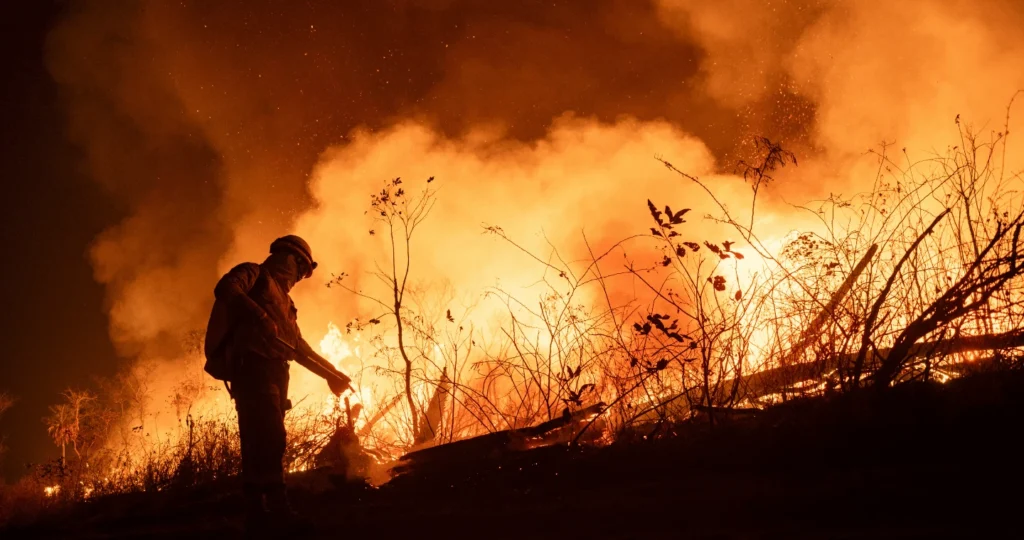
DONATE TO NATIVA Verified for authenticity Learn More IMPACT PROMISE Our Partners are carefully selected due to their high conservation impact Partner Snapshot Partner Name Naturaleza, Tierra y Vida (NATIVA) Location: Gran Paisajes del Chaco, Chiquitania y Pantanal, Bolivia Appeal Category: Protected Area Management Wildlife Conservation Community Support and Development Key Species: Jaguar, Chaco peccary, Lowland tapir Challenges And Threats: Megafires intensified by drought and climate change, burning through protected landscapes and Indigenous territories. Illegal settlements and deforestation fragmenting habitat across the Chaco, Chiquitania, and Pantanal. Limited equipment, monitoring, and logistics leave remote areas without rapid wildfire response. Actions: Equip and train community wildfire brigades with gear, protective equipment, and specialized firefighting skills. Expand satellite monitoring and early fire detection systems for real-time hotspot response. Provide emergency logistics and field operations support during active fire seasons. The Challenge Bolivia is in the middle of an escalating wildfire crisis. Prolonged drought, rising temperatures, and unsustainable land use have pushed the Chaco, Chiquitania, and Pantanal into increasingly frequent megafires. Each fire season destroys critical habitat, degrades soils and waterways, and puts Indigenous and rural communities at risk. Many protected landscapes still lack the equipment, early-warning systems, and trained brigades needed to contain fires before they spread. Urgent Solutions NATIVA is launching an integrated wildfire prevention and response program. They will strengthen local brigades with specialized training, protective equipment, and logistical support; expand satellite monitoring to detect hotspots in real time; and run awareness campaigns to help communities adopt preventive fire-management practices before the next dry season. The goal: sharply reduce wildfire impact and safeguard critical habitat for jaguars, Chaco peccaries, lowland tapirs, and the people who share their range. Why Your Donation Matters Your support goes straight to protecting some of Bolivia’s most extraordinary ecosystems. Every contribution equips a frontline brigade, keeps a monitoring system online, or fuels an emergency deployment when a fire breaks out. Investing in prevention now is how we stop irreversible biodiversity loss and defend Indigenous territories—before the next fire season hits. Partner Qualifications IUCN Member Verified Partner Legally Constituted Top Accountability Effective Impact Conservation Action Heroes
Help Support Tesoro Escondido Reserve Parabiologists

DONATE TO TESORO Verified for authenticity Learn More IMPACT PROMISE Our Partners are carefully selected due to their high conservation impact Partner Snapshot Partner Name Tesoro Escondido Reserve Foundation Location: Lowland Ecuadorian Chocó, Esmeraldas, Ecuador Actions: Wildlife monitoring with camera traps and surveys of mammals, birds, amphibians, and reptiles. Jaguar coexistence; building community trust and promoting safe, respectful practices. Environmental education through workshops, school gardens, and hands-on learning. Community support in reforestation, pollinator gardens, meliponiculture, and Chachi community life-planning. Ongoing training to strengthen educational, technical, and research skills. Appeal Category: Capacity Building and Training Community Support and Development Education Endangered Species Protected Area Management Wildlife Conservation Key Species: Brown headed spider monkey Jaguar Giant macaw Harpy eagle Challenges And Threats: Logging Agricultural expansion Hunting Human-wildlife conflict The Challenge Ecuador’s current conservation reality is shifting dangerously. The merger of the Environment Ministry with the Energy and Mines Ministry signals a move toward extractive priorities, while illegal mining, expanding agriculture, timber extraction and organized crime continue to drive some of the country’s highest deforestation rates—especially in Esmeraldas, where the Tesoro Escondido Reserve is located. Local communities remain vulnerable, facing limited access to basic services and growing threats to their land rights. New national regulations restrict NGO action and increase costs, placing both forests and the Rights of Nature at risk. Meanwhile, funding for local conservation jobs is shrinking. We are running out of time to protect the forest and the people who defend it. Urgent Solutions Tesoro Escondido responds by strengthening community-led conservation through its team of local parabiologists—young leaders and agents of change who monitor wildlife, support jaguar coexistence, teach environmental education, restore forests, protect native bees, and support Chachi communities in participatory planning. In 2026, we aim to reinforce our institutional capacity: improving financial stability, governance, monitoring systems, community resilience, and youth leadership. Conservation must remain rooted in local knowledge, science, and strong communities—especially in a rapidly changing landscape. Why Your Donation Matters Your support directly funds the people who protect the forest every day. Parabiologists are essential—wildlife monitors, educators, community leaders, agents of change, role models, and the link between science and territory. Yet resources for local salaries are increasingly scarce. Your donation keeps monitoring active, strengthens community planning, supports women and youth, and ensures that conservation remains led by those who call this forest home. Supporting Tesoro Escondido means standing with the forest—and with its guardians. Partner Qualifications Verified Partner Legally Constituted Top Accountability Effective Impact Conservation Action Heroes
Help Indigenous Forest Defenders Rebuild After Violent Attack

DONATE TO MAKIROVANA Verified for authenticity Learn More IMPACT PROMISE Our Partners are carefully selected due to their high conservation impact Partner Snapshot Partner Name Makirovana Association Location: Makirovana-Tsihomanaomby Protected Area (Northeastern Madagascar) Appeal Category: Community Support and Development Protected Area Management Wildlife Conservation Key Species: Sanford’s lemur Crowned lemur Challenges And Threats: Violent retaliation from illegal gold miners Destruction of homes and conservation infrastructure Ongoing threats to Indigenous forest defenders Illegal mining within Protected Area Actions: Rebuild 88 destroyed family homes Restore conservation facilities and tree nurseries Strengthen community-led forest patrols Provide emergency support for displaced families The Challenge The Makirovana-Tsihomanaomby Protected Area protects critical habitat for Critically Endangered lemur species and countless additional species. An Indigenous community has co-managed this forest for generations through the Makirovana Association, a local grassroots organization and Conservation Allies partner. In November 2025, community patrols discovered illegal gold miners operating inside the Protected Area. Police arrested two miners, who promised not to return. In retaliation, a larger group of miners launched a violent attack on villages around the Protected Area. The miners targeted families directly involved in forest protection. They destroyed homes, threatened residents, and kidnapped one Association member. Many families evacuated to temporary shelter in nearby Sambava city. The violence escalated when miners returned and burned 88 family homes, the village chief’s house, and all conservation facilities including ten native tree nurseries and reforestation sites. Local authorities responded by deploying more than 60 armed officers who have begun making arrests. The kidnapped conservationist was safely released. However, the community has lost nearly everything and needs immediate help to rebuild their homes and restore the conservation infrastructure that protects this biodiverse landscape. Urgent Solutions The Makirovana community needs immediate support to rebuild and continue protecting this critical forest habitat. Your donation will fund: Rebuild Homes: Construct 88 new homes for families who lost everything while defending their forests, allowing them to return from temporary shelters and resume their lives. Restore Conservation Infrastructure: Rebuild ten native tree nurseries and reforestation sites that were burned, ensuring conservation work continues without interruption. Strengthen Community Patrols: Provide equipment, training, and operational support for patrols that protect the forest from illegal mining and other threats. Emergency Family Support: Provide immediate assistance to families currently displaced in Sambava, including food, supplies, and temporary housing needs. Enhance Security: Work with local authorities to improve safety measures for Indigenous forest defenders and ensure their rights as stewards of this landscape are protected. Restore Livelihoods: Help families rebuild the sustainable economic activities disrupted by the attack, providing long-term stability for conservation efforts. Why Your Donation Matters Your donation directly supports Indigenous people who have risked their safety to protect endangered wildlife and one of Madagascar’s most biodiverse forests. The Makirovana community faces an immediate crisis that threatens both their homes and the Protected Area they manage. The $15,000 fundraising goal will enable the Makirovana Association to rebuild destroyed infrastructure and continue their conservation work. Your support provides displaced families with new homes so they can return to their land. It restores years of conservation work lost when nurseries and reforestation sites were burned. This support also sends a clear message: communities defending forests against illegal activities are not alone. Your donation helps ensure that violent intimidation does not succeed in driving Indigenous stewards away from the landscapes they protect. The Makirovana people have shown commitment to their forests despite facing violence. By helping them rebuild, you enable them to continue protecting habitat for biodiversity found nowhere else on Earth. Your donation helps them recover from this attack and continue their role as forest defenders for future generations. Partner Qualifications Verified Partner Legally Constituted Top Accountability Effective Impact Conservation Action Heroes
GreenViet Biodiversity Conservation Centre

DONATE TO GREENVIET Verified for authenticity Learn More IMPACT PROMISE Our Partners are carefully selected due to their high conservation impact Partner Snapshot Partner GreenViet Biodiversity Conservation Centre Location Danang City, Vietnam Category Community Support & Development Protected Area Management Ecosystem Restoration Endangered Species Urgent Appeals Coming soon Date Founded 2012 Website www.greenviet.org Partner Qualifications IUCN Member Verified Partner Legally Constituted Effective Impact About GreenViet Biodiversity Conservation Centre GreenViet Biodiversity Conservation Centre was founded in 2012 to protect ecosystems and endangered species of flora and fauna throughout Vietnam. The organization employs an Asset Based Community Development (ABCD) approach, which identifies and mobilizes the internal strengths of local communities to build effective conservation teams. By empowering communities to become active stewards of their natural resources, GreenViet creates sustainable, locally-driven conservation solutions that benefit both wildlife and people. Their Challenges Wildlife conservation in Vietnam faces critical threats to biodiversity. Habitat loss and fragmentation, driven by deforestation, agricultural expansion, hydropower projects, and rapid urbanization, reduce the size and quality of natural habitats, isolating wildlife populations and increasing extinction risk. Vietnam also serves as both a source and transit country in the illegal wildlife trade, with species such as pangolins, primates, and turtles heavily exploited for food, traditional medicine, and the pet trade. Despite stronger laws and international commitments, enforcement remains weak and demand persists. Additionally, many protected areas struggle with insufficient funding, staff, and equipment, while local communities dependent on forest resources face conflicts between conservation goals and livelihood needs. Their Approach GreenViet employs an integrated approach that strengthens both ecosystems and communities in Central Vietnam, where many rare and threatened species survive. The organization supports protected areas by enhancing forest ranger capacity through training, equipment provision, and technical support. Regular wildlife monitoring tracks population trends and threats—including hunting, logging, and habitat loss—to guide protection strategies. Crucially, GreenViet empowers local communities by recruiting and supporting village volunteers as community forest guards. These grassroots partnerships build local stewardship and create a frontline defense for endangered species, fostering a more sustainable and resilient future for both people and nature. Why They Need Your Help Conservation funds enable GreenViet to strengthen protected areas and local communities in Central Vietnam. Resources support training for local rangers in SMART patrol methods, which significantly improve forest protection effectiveness. The organization provides essential equipment including mobile phones, computers, and uniforms to ensure rangers can work safely and efficiently, while ranger awards recognize and motivate their dedication. Funds also support community volunteers who patrol their forests, fostering shared ownership in conservation efforts. Additionally, GreenViet monitors populations of endangered species such as the Grey-shanked douc langur and gibbons, using this data to target resources where they are most needed and ensure effective protection strategies for future generations.
Save 1,000 Giant Trees in the Western Ghats

DONATE TO AERF Verified for authenticity Learn More IMPACT PROMISE Our Partners are carefully selected due to their high conservation impact Partner Snapshot Partner Name Applied Environmental Research Foundation (AERF) Location: Western Ghats, India Appeal Category: Community Support & Development Ecosystem Restoration Reforestation Challenges And Threats: Widespread deforestation and habitat fragmentation Degraded forest patches leading to biodiversity loss and soil erosion Climate stress and invasive species affecting tree survival Actions: Planting and enrichment of giant native trees in degraded areas Restoring connectivity between fragmented forest patches Community training and engagement for long-term forest stewardship The Challenge The Western Ghats, a UNESCO World Heritage Site, are home to rich biodiversity and vital forest ecosystems. Many areas in this landscape have suffered extensive degradation due to deforestation, habitat fragmentation, and climate stress. Giant native trees, which are critical for maintaining forest structure, supporting wildlife, and regulating water and soil, are disappearing at an alarming rate. This loss of canopy trees not only threatens countless plant and animal species but also undermines the livelihoods of local communities who rely on the forests for clean water, food, and sustainable income. Without immediate restoration, degraded forests will continue to deteriorate, leading to further habitat loss, increased soil erosion, and diminished ecosystem resilience. Urgent Solutions To address these urgent threats, AERF is implementing a holistic restoration strategy focused on ecological and community resilience: Native Tree Planting & Enrichment: Planting and nurturing giant native tree species in degraded forest patches to restore canopy cover and structural diversity. Forest Connectivity: Reconnecting fragmented forests to enable wildlife movement, improve ecological processes, and maintain biodiversity. Community Engagement & Capacity Building: Training local villagers in tree propagation, planting, and long-term forest monitoring, fostering stewardship and sustainable livelihoods. These actions aim to restore forest health while ensuring that communities are active partners in conserving and benefiting from these landscapes. Why Your Donation Matters Your support will directly contribute to protecting over 1,000 giant native trees, restoring ecological balance, and reviving critical forest corridors. Donations empower local communities to manage and care for forests sustainably, ensuring the benefits of restoration last for generations. With your help, AERF can strengthen both natural and human resilience—enhancing biodiversity, stabilizing soils, improving water retention, and creating opportunities for local livelihoods. Every contribution advances a model of forest restoration that combines conservation success with community well-being, ensuring the Western Ghats’ giant trees stand well into the future. Partner Qualifications IUCN Member Legally Constituted Effective Impact